
13 Halloween Safety Tips for Dogs
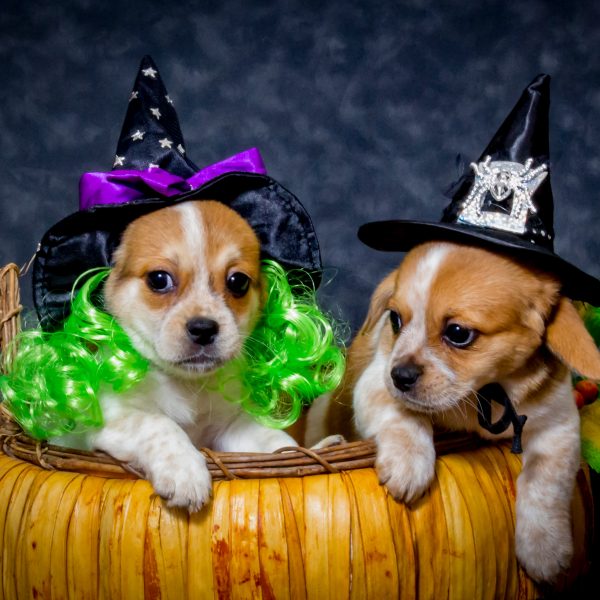
Whether you actively participate in Halloween or not, there will still be some increased danger for you and your dog. It will be getting darker earlier, there will be more people out and about, and there are also usually more cars on the street, among other potential dangers. Here are some Halloween safety tips for dogs to help keep your dog safe during Halloween:
- Keep chocolate and other Halloween candy away from your dog.
- Don’t leave your dog in the yard unsupervised.
- Secure your dog away from the door when welcoming trick-or-treaters.
- Make sure your dog can’t run out the door if they are welcoming trick-or-treaters with you.
- Figure out what to do about the doorbell.
- Use safety measures while walking in the dark.
- Be wary of bringing glow sticks into your home.
- Be cautious of Halloween decorations.
- Don’t force your dog to wear a costume.
- If your dog will wear one, keep costumes safe and comfortable.
- Make sure your dog has updated identification.
- Protect your dog from blood suckers with up-to-date preventatives.
- Have a post-Halloween plan to help your dog adjust back to normal.
1. Keep Chocolate and Other Halloween Candy Away From Your Dog
If you have candy in the house for trick-or-treaters, candy in the house for yourself, or candy that your kids will bring home from trick-or-treating, it’s important to secure it and keep it away from your dog. Chocolate is one of the biggest holiday dog hazards and seems to be present at almost every holiday.
Because chocolate is dangerous to your dog, it’s important to make sure it stays out of their reach. But it’s not just chocolate you need to worry about. Sugary hard candies, gummies, and more can all be tempting for your dog. Aside from a lot of ingredients that are not safe for dogs, a lot of sweet treats contain xylitol.
Xylitol is one of the most toxic foods for dogs. Between the plastic wrappers, all the sugar, and other ingredients these candies contain, there’s a lot that poses a danger to your dog. Secure containers that are stored in high cabinets can be a big help in keeping harmful Halloween candy out of your dog’s reach.
If you have to leave any out for easy access when trick-or-treaters stop by, place it on a high table or shelf if you can, and don’t leave it unsupervised for too long. Then, when you’re done, store it securely away out of reach, so your dog can’t stumble upon it. And, if you know your dog can get into cabinets with enough time and effort, install cabinet locks ahead of time to make sure they can’t access harmful items.
2. Don’t Leave Your Dog in the Yard Unsupervised
One of the biggest Halloween safety tips for dogs is not to leave them outside unsupervised. Unfortunately, not everyone approaches Halloween with a positive attitude or good intentions. There are people who steal dogs from private yards regardless of the time of year. However, Halloween is known for pranks. But not all pranks are funny. Some of them can be harmful and malicious. There have been cases of “pranksters” teasing, stealing, injuring, or even killing dogs and other pets on Halloween.
So, even if you have a securely fenced yard and even if you live in a safe neighborhood where things like that aren’t known to happen, don’t leave your dog outside or in the yard unsupervised. Keep your dog inside as much as possible at dusk and at night. And, when they do need to go out, make sure you’re there with them. In doing so, you can be there to intervene, protect them, and bring them back inside if anything suspicious is going on.
3. Secure Your Dog Away From the Door When Welcoming Trick-or-Treaters
If your house will be welcoming trick-or-treaters during Halloween, keep your dog secured somewhere away from the door. With the door constantly closing and opening, there is an increased risk of your dog slipping out. Plus, if they’re not fond of strangers or used to the situation, they can get scared, which could lead to them acting out or running away.
Instead, you can create a secure, quiet, and comfortable space that gives them a place to relax away from all the activity. Make sure they have fresh water, their favorite toys or items, a comfortable bed or place to lie down, and anything else that will help them feel safe and relaxed. You can also play soft music or use a white noise machine to help keep them calm and drown out outdoor noise. Then, check in on them regularly as you can to provide comfort and reassurance throughout the night and reward them for calm behavior with praise and treats.
4. Make Sure Your Dog Can’t Run Out the Door If They Are Welcoming Trick-or-Treaters With You
If your dog is used to Halloween and usually answers the door with you, keep them leashed and attached to you in some way. You can also use a pet gate to add an extra barrier without affecting your ability to hand out candy to trick-or-treaters.
Even the most socialized and well-trained dogs can become scared, and you don’t want to risk your dog running away if something or someone scares them unexpectedly. These are key things you can do during Halloween to prevent your dog from getting lost.
5. Figure Out What to Do About the Doorbell
A lot of dogs, especially breeds with protective instincts, can be triggered by doorbells and knocks on the door. For some dogs, it just makes them more alert, and they may bark. For other dogs, the doorbell or knocks on the door are genuinely distressing.
Whether your dog will be away from the door during trick-or-treating or with you to greet people, plan to do some work around desensitizing your dog to the doorbell well before Halloween. For some dogs, ringing the doorbell and offering treats can help them get used to it and reduce stress.
For some dogs, the doorbell will always make them react or increase anxiety. If you find out that this is the case for your dog and you still want to welcome trick-or-treaters during Halloween, figure out an alternative in advance. This could be a motion sensor that alerts you when trick-or-treaters are at the door. If you have a video doorbell, you may be able to use a mix of motion sensors and quiet notifications instead of the traditional doorbell noise.
6. Use Safety Measures While Walking in the Dark
Whether they’re out with you for their evening walk or they’re joining you for trick-or-treating, you want to make sure you’re using plenty of safety tips for walking your dog in the dark. Visibility will be low, so you want to make sure you and your dog can see and that you’re making it easy for people to see both of you. Flashlights, reflective clothing, and more can be a big help when it comes to navigating potentially busy streets in the dark.
7. Be Wary of Bringing Glow Sticks Into Your Home
Although glow sticks tend to be non-toxic, you can never be too sure. Even if the liquid inside is non-toxic, it will taste horrible. But your dog won’t know that until they chew into it and get some in their mouth. If your dog happens to get into some glow sticks and chews one open, they may start drooling excessively, pawing at their mouth, showing signs of agitation, and even vomiting.
You don’t necessarily need to run to the vet right away, but you will want to offer plenty of water, a small meal, and/or some treats to help them clear it out of their mouth and get rid of the taste. If they don’t show improvement or their symptoms worsen, then you will want to get to the vet right away.
If this is some drama that you would rather not deal with on Halloween, be wary of bringing glow sticks into your home. Or, if you do, make sure you keep track of them and that they stay well out of reach of your dog or anyone who might accidentally leave them within your dog’s reach.
8. Be Cautious of Halloween Decorations
When you have a pet, you have to be cautious anytime you decorate your home for the holidays. Halloween decorations present a variety of potential hazards and risks. These tips around Halloween decorations can help keep your dog safe:
- Take extra precautions with open flames.
- Be careful with cords, wires, and batteries.
- Beware of using dry ice.
- Decomposing or moldy pumpkins pose a danger.
- Artificial decorations can pose a danger, too.
Take Extra Precautions With Open Flames
You also want to be extremely careful if you are using lit candles for any of your Halloween decorations. Aside from scented candles potentially irritating your dog’s nose, open flames are also a big risk, especially with pets.
Not only do you want to make sure these are well out of reach of your dog and aren’t able to be knocked over by them, but you also want to make sure you’re practicing good fire safety for your home. In general, LED lights and LED candles tend to be better and safer options than open flames. This is a pet fire safety tip to keep in mind anytime there are candles involved.
Be Careful With Cords, Wires, and Batteries
Electric lights and candles do tend to be safer than open flames, especially with pets, but you still need to be careful with them. You also want to be careful with other electric or battery-powered decorations.
Cords and wires should be secured and covered so your dog cannot chew on them, get caught in them, or use them to pull down or knock over decorations. Battery-powered decorations should also be displayed securely well out of your dog’s reach.
Beware of Using Dry Ice
Dry ice is one of the ways to create that rolling, thick, creepy fog for Halloween. Even just handling it yourself, you need to take precautions, like using insulated gloves, never touching it with your bare hands, and more. Even food-grade pellets should be used with an inner/outer container setup to prevent direct ingestion.
If you have a dog, it may be better to avoid using dry ice entirely. Just as direct contact can damage your skin if you touch dry ice, the same is true for your dog. Although they have some fur that could help provide some protection, dry ice can still damage their skin, especially sensitive noses. And, if your dog gets too close and breathes it in directly or tries to eat it, dry ice can cause oral frostbite.
Decomposing or Moldy Pumpkins Pose a Danger
Although pumpkin is generally not harmful to a dog, it can be if it’s moldy or decomposing. When pumpkins and corn stalks are used as Halloween decorations, they’re usually not stored in the best of conditions because they’re on display, and they can easily start decomposing and develop mold or other harmful bacteria.
If your dog gets to them in this state, they can cause stomach issues, intestinal blockages, and more. If they happen to be moldy when your dog gets to them, there could be other health-related concerns as well. Some strains of mold are known to cause neurological issues in both dogs and cats. So, you want to make sure your pets can’t access these “real” decorations and that you dispose of these types of decorations quickly once you no longer need them.
Artificial Decorations Can Pose a Danger, Too
Even if you’re not using real pumpkins and corn stalks, you still need to be careful that your dog isn’t chewing on them or trying to eat them. Shards of glass, pieces of plastic, and other non-food items can wreak havoc on your dog’s intestinal system. Blockages, sickness, and even lacerations can all occur should these things be swallowed.
9. Don’t Force Your Dog to Wear a Costume
It’s tempting to dress your dog up for the holidays, and there are so many adorable Halloween costumes for dogs. But you don’t want to force your dog to wear a costume if they really don’t like it. Forcing your dog into a costume they dislike makes them uncomfortable and puts them on edge. Not only does this create a situation that may encourage destructive behavior, but it could also result in aggressive behavior they wouldn’t normally display that was triggered by that discomfort.
10. If Your Dog Will Wear One, Keep Costumes Safe and Comfortable
This is also why it’s a good idea to try out costumes in advance and give your dog a chance to get used to it gradually, if they’re willing to wear a costume. You still don’t want to force your dog into it, but some dogs are open and willing to wear costumes once they are introduced and become familiar with them. If you are introducing your dog to the idea of costumes, start slowly and be willing to forgo it if you see that it is stressing your dog out.
If you’ve already tried costumes before and you know your dog is good with them, then you want to make sure you’re picking costumes that fit them correctly and will be as comfortable as possible. Costumes that restrict movement, eyesight, the ability to breathe, or hearing can all create a dangerous situation for your dog. You also want to make sure costumes do not have small or dangling pieces that could be chewed off and become a choking hazard.
11. Make Sure Your Dog Has Updated Identification
Even if you take all the necessary precautions and plan to keep your dog inside during Halloween, you still want to make sure their identification is updated. In case your dog runs off or gets lost, collars and tags are a good start and can help people identify your dog by sight as a pet and help get them back to you.
Microchipping your dog is also a good idea, as this will allow veterinary or animal rescue staff to identify and contact you quickly in case your dog ends up at a vet’s office or shelter. Some local police or fire departments may have a microchip scanner available as well, especially if they are often contacted regarding lost or found animals.
If this is the case in your area, this is another way your dog can get back home faster, provided they are microchipped and the information is up to date. If you know you’ll be out and about with your dog, a GPS tracker on their collar can help you track them down fast, in case they get out of their harness or collar and run off.
12. Protect Your Dog From Blood Suckers With Up-to-Date Preventatives
Spring may have a reputation for being peak flea and tick season, but these blood suckers pose a danger to your dog year-round. Provided the temperature is warm enough, ticks and fleas can still be a risk to your dog in the fall. Any gaps in preventative medication can leave your dog exposed and at risk. This is true for fleas, ticks, heartworm, and other parasites.
The best way to protect your dog from fleas, other blood suckers, and other parasites is to keep up with preventative medication. If it’s been a while since your dog’s last vet visit, it’s not a bad idea to take them in for a general exam and checkup before Halloween to make sure they are healthy and up-to-date on everything.
13. Have a Post-Halloween Plan to Help Your Dog Adjust Back to Normal
The sudden transition from a lot of activity and excitement back to normal can throw some dogs for a loop. Some dogs may still seem tense, agitated, anxious, or stressed if they were overwhelmed by all the activity. Some dogs may even seem depressed or down as things return to normal after Halloween is over.
Sticking to your dog’s routine, spending some extra time playing with them, and making sure they are getting enough exercise and mental stimulation after all the excitement can make for a smoother transition back to normal, give your dog more time to adjust to the sudden change, and help shift them back to baseline.
Keep Your Dog Safe During Halloween
Any holiday can be a stressful time for both you and your pup. And, every season and every holiday hosts its own set of potential hazards and risks that you need to be aware of and prepare for. Hopefully, using some of these Halloween safety tips for dogs can help make it less stressful, so you and your dog can enjoy the spooky fun however you choose to.