

-
Activity Level:
high

-
Shedding Level:
high

-
Grooming Level:
moderate
-
Trainability:
high
-
Good for Novice Owners:
moderate
-
Adaptability:
moderate
-
Kid/Pet Friendly:
sometimes
-
Prey Drive:
high
-
Watchdog:
very alert
- Average Size: Medium
- Average Lifespan: 10-13 Years
- Registered?: other
Huskita Dog Breed Information
Overview
Temperament
Adaptability
Health
Owner Experience
Grooming
Activity Level
Size
Life Span
Did You Know?
The Huskita is a cross between an Akita and a Siberian Husky. Although a mixed-breed dog can take on any combination of characteristics from their parents, Huskitas tend to be large working dogs that are loyal to their families, protective of them, and affectionate with them. They are not recognized by the American Kennel Club, but the Huskita can be registered with the Dog Registry of America.
Although they can be aloof with strangers, Huskitas are affectionate and playful with their families. Well-socialized, they tend to get along well with older children who know how to properly interact with them and other dogs that are a part of the family. Although the Akita can provide a lower prey drive, the Huskita still tends to have a high prey drive. So, they will need some extra socialization if there are smaller pets in the household, along with training geared towards redirecting and managing prey drive in dogs.
One of the facts about Akitas that carries over to Huskitas is that they are strong guardians. Because of their protective instinct, they are initially suspicious of strangers and can take some time to warm up to new people. They are also alert, which makes them great watchdogs, as they will let you know when someone or something is around. Although they do not tend to bark a lot, unless you have trained them into it, they can be vocal dogs and often emit a range of vocalizations similar to their Husky parent.
The Huskita is a moderately adaptable dog breed. They are better suited to homes with fenced yards where they can run. They can adapt to apartment living, but you will need to dedicate a lot of time every day to giving them the exercise and mental stimulation they need. They also do not like to be left alone for long periods of time and can become destructive if they get too bored. Destructive behavior is a common sign that your dog is bored.
Some facts about Siberian Huskies that can sometimes carry over to Huskitas are that they have an urge to wander and are escape artists. Although the Akita parent can temper the urge to wander from the Siberian Husky, you may still end up with a Huskita that is prone to escaping and wandering around. Because of this, it’s important to only let your dog off-leash in securely fenced areas so they do not wander off.
As with any dog breed, Huskitas are sensitive to the heat. Because of their dense coats, they tend to prefer the cold and do well in it. Both the Akita and the Siberian Husky are dog breeds that love winter, so you can bet a Huskita will too. You may even have trouble getting them to come back inside after playing in the snow!
Although a mixed-breed dog can sometimes be healthier than a purebred dog, it’s not a guarantee. They could inherit none of the conditions common to their parent breeds, but they could also inherit all of them from one or both parents, or some combination of them.
For the Huskita, potential health concerns to be aware of can include canine epilepsy, hip dysplasia, and blood disease. Good breeding practices and the health of the parents make a big difference in the health of Huskita puppies. Reputable breeders will screen their dogs to avoid passing preventable issues on to puppies, so don’t be afraid to ask about the health and genetic history of the parents.
As a large, barrel-chested breed like their parent breeds, the Huskita is at a higher risk of developing bloat. Bloat in dogs can be dangerous and quickly becomes fatal if the stomach flips (i.e., if gastric torsion occurs). It’s important to know how to reduce the risk and what symptoms mean that it’s time to get to the emergency vet.
Huskitas are intelligent and pick up on things quickly. But they also tend to have an independent mind and can be stubborn. With some of the most independent dog breeds as parents, you can bet that a Huskita is likely to also be independent and have a stubborn streak. These traits, paired with their high energy and working dog nature, can be difficult for first-time dog owners to handle alone.
These dogs tend to be a better fit for dog owners with experience, especially those who have experience with training high-energy working breeds. First-time dog owners can be successful with training this breed, but puppy training classes are highly recommended. Strengthening bonds, socialization, and more, in addition to training, are benefits of puppy training classes. So, they can be a good idea, even if you don’t necessarily need them for help with training.
With some of the fluffiest dog breeds as parents, Huskitas have a dense, fluffy double coat, and they will shed year-round. They will also experience heavier shedding as the seasons change. Brushing them a few times a week is usually enough to keep their coat healthy and to keep them comfortable.
Daily brushing is even better, especially during seasonal shedding. You will also need to make sure you brush thoroughly down to the skin at least once a week, if not more. Bathing is on an as-needed basis. Having the right dog grooming brushes can help make grooming much easier. A metal comb to work out tangles, a slicker brush for the topcoat, and an undercoat rake to reach the woolly undercoat are essential.
In addition to coat care, you will also need to care for your Huskita’s nails, ears, and teeth. Cutting your dog’s nails once or twice a month is usually enough to keep them from growing too long. Also, weekly ear checks and carefully cleaning your dog’s ears as needed can help prevent ear infections.
It’s also essential to your dog’s health to practice good dental care for dogs early and consistently throughout your dog’s life. Unfortunately, many dog owners overlook this, which is why gum disease is one of the most common health issues in dogs. Brushing teeth or using an enzyme toothpaste every day is ideal, in addition to cleanings at the vet when needed, and can help prevent painful dental diseases later in life.
Huskitas are high-energy working dogs. They need a lot of daily exercise and a job to do to be happy and healthy. Daily walks, plus playtime and other activities, are usually enough, but these dogs love to be active outdoors. So, they will likely be up for more activity if you are.
They are relatively athletic and sturdy dogs. So, once puppies finish growing, you can try a lot of different activities with them. Playing frisbee or fetch can be a great activity when they are feeling playful. Hiking is another activity they may love to do with you. You can even see if they enjoy swimming or training for dog sports.
A fully-grown Huskita usually stands 22-25 inches tall and weighs 50-75 pounds.
A Huskita generally lives for 10-13 years on average.
The Huskita is also sometimes called a Siberian Akita.
Featured Huskita Article
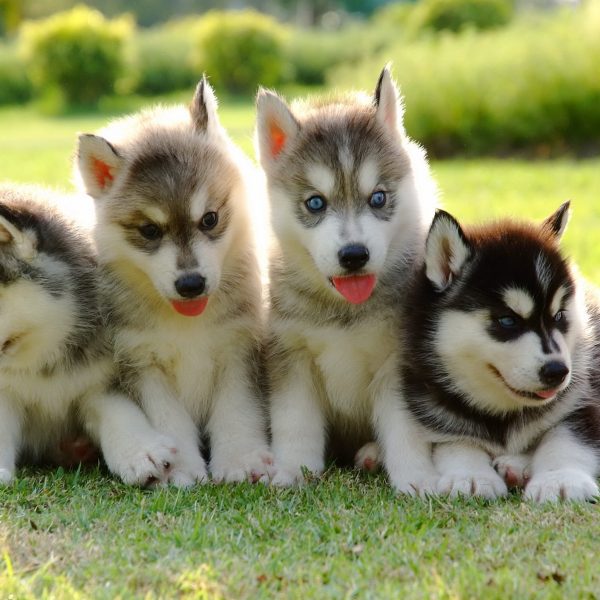
Huskita Puppies for Sale


Thanks for visiting our
Huskita page!
Currently, we do not have any Huskita puppies available, but we can alert you when new Huskita puppies are available!
Just enter your email address and click submit!

Huskita dog?
Share your thoughts on this breed with us!
"*" indicates required fields