
Why is My Dog Drinking More Water Than Usual?
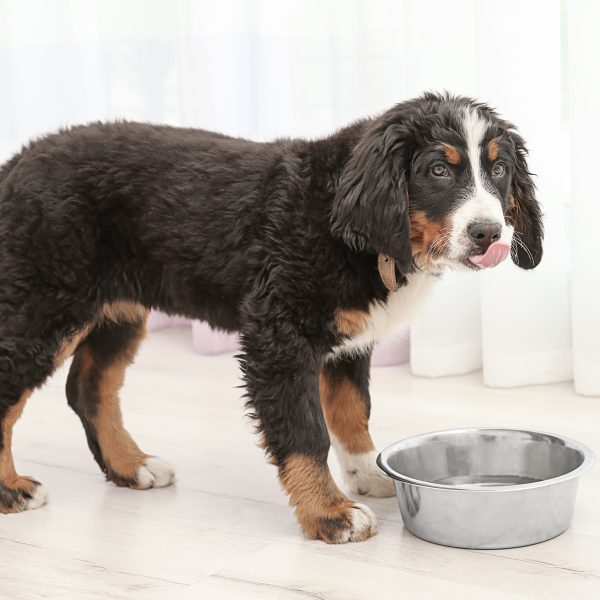
Dogs need to stay well hydrated, just like humans. Lots of things can influence the amount of water your dog needs to drink each day, including exercise level, age, and even medical conditions. However, sometimes a dog might start drinking more than normal, and it might be hard to know if that indicates a problem. If you’ve noticed behavioral changes in your dog and are wondering, “Why is my dog drinking more water than usual?”, here’s what to consider and some reasons why your dog might be drinking more water than usual:
How Much Water Should a Dog Drink?
There’s no exact set amount of water that a dog should drink because it all depends on factors specific to your dog. However, there are some basic guidelines to follow. A good base guideline to determine your dog’s water needs is about 1 ounce of water for every 1 pound of their body weight. So, if your dog weighs approximately 50 pounds, a good guideline is to ensure at least 50 ounces of water a day. Other factors can affect how much water a dog needs, but you also need to be careful of your dog overdoing it because water intoxication does exist and can happen to dogs.
However, if your dog is really active or you live in a warm climate, they should be drinking more water. Your dog also should be drinking more water during the summer months, especially if they spend a lot of time outside or heavily exercise. This is an important summer safety tip for dogs that all owners should be aware of.
Puppies and dogs that are nursing also may need more water than the general guideline. If your dog normally eats canned dog food or homemade food that has more water in it, they might not need to drink quite as much. Just make sure your dog has easy access to clean and fresh water each day by setting up a water and feeding station for your dog.
How to Determine How Much Your Dog Drinks Daily
If you want to know how much your dog drinks each day, you will need to keep track of how much water is in the bowl and how often you fill the water bowl. You can also be more precise by measuring the amount of water in the bowl in the morning and then measuring how much is left at the end of the evening. You can also purchase a dog bowl that has measurements on the side. However, if your dog tends to push or spill their bowl, you will not have a precise measurement.
If you notice your dog begins to drink a lot more water than normal or is taking more trips out to the bathroom, you should schedule an appointment with your veterinarian. This could be a sign of a urinary tract infection or other underlying health conditions that need to be addressed.
Why Is My Dog Drinking More Water Than Usual?
There are a few different factors that might determine why your dog is drinking more water than usual. Some are environmental factors, while others might be medical reasons. Here are a few reasons why your dog is drinking more water than usual:
- Environmental and Physiological Factors
- Age
- Certain Medications
- Frequent Exercise or Increased Activity
- Health Conditions
- Behavioral Issues
1. Environmental and Physiological Factors
Just like humans, the amount of water a dog drinks typically depends on normal physiological or environmental reasons. Factors affecting how much water a dog is drinking can include:
- Activity Level
- Warm Weather
- Dry Air
- Diet
Activity Level
If your dog is more active, they will naturally require more water than a dog that is a bit more of a couch potato. If you’re unsure about how much exercise your dog needs, this is one of the questions to ask at your dog’s first vet visit.
Warm Weather
During warmer weather or humid weather, dogs often drink more water because it helps regulate their body temperature. Staying hydrated is important for a dog’s overall health and well-being.
Dry Air
However, dogs also need to stay well hydrated during the winter. Unless you live in an extremely humid climate, winter weather often means the air is drier. If this is the case, dogs can become dehydrated, even if it’s not hot. Making sure your dog has plenty of water year-round, even during the winter, is an important winter safety tip for dogs. Your dog will also need water before and after winter exercise.
Diet
Diet may also determine how much water your dog needs. If your dog eats dry kibble, they should have more water to stay hydrated. If they eat canned or homemade food that has a higher water content, they may not drink quite as much. You can also help your dog stay hydrated with some of the best fruits and veggies for dogs, like watermelon.
2. Age
A dog’s age may also determine how much water they drink. Puppies’ kidneys do not concentrate their urine as well as an older dog’s, meaning they need to go to the bathroom more. Because they go to the bathroom more, they need to drink more water.
Sometimes, elderly dogs may drink more water or less because of cognitive decline. Also, some medical issues, like canine diabetes or kidney disease, might cause an older dog to drink more. If your older dog hasn’t been diagnosed with any of these issues, but is drinking more than normal, give your vet a call to schedule an appointment.
3. Certain Medications
Sometimes, certain medications may increase a dog’s thirst. These medications typically include:
- Corticosteroids
- Anti-seizure medications
- Diuretics
If your dog is on any of these medications, and you’ve noticed them drinking more than normal, this is most likely the cause. If you are still concerned, talk to your veterinarian.
4. Frequent Exercise or Increased Activity
Any fairly active dog will need more water to rehydrate. If your dog’s activity level has increased, you may notice them drinking more than they did before. If you have a puppy, they may drink more than an adult due to their higher activity, especially after bouts of play before they take another nap.
5. Health Conditions
There are some medical issues that can cause your dog to drink more water than usual. These health conditions include:
- Electrolyte Imbalances
- Dehydration
- Vomiting or Diarrhea
- Hyperthermia or Fever
- Kidney Failure
- Diabetes
- Diabetes Insipidus
- Cushing’s Disease
- Pyometra
- Liver Infection
Electrolyte Imbalances
If your dog has an electrolyte imbalance, they may have increased thirst and urination. If there is an imbalance of potassium and sodium, the kidneys will not work properly. Electrolyte imbalance can be caused by too much sodium in a dog’s diet, certain toxins, dehydration, and other medical conditions.
Along with an increased thirst, you may notice vomiting, diarrhea, a lack of appetite, and lethargy. More serious signs may include neurological issues, like ataxia in dogs or seizures. If you notice any of these symptoms, take your dog to the vet. If the electrolyte imbalance is caused by a medical issue, that will need to be treated alongside the electrolyte imbalance.
Dehydration
There are a few things that can cause dehydration in your dog, which can lead to increased thirst. Things such as excessive exercise, heat, and illness, such as gastritis in dogs, may all cause dehydration.
Symptoms that your dog is dehydrated include excessive panting, lethargy, bright red gums, and skin tenting. If your dog becomes severely dehydrated, it needs to be addressed immediately. Severe dehydration can be fatal, so if your dog has access to water and still seems dehydrated, make sure to get your dog to the veterinarian as soon as you can.
Vomiting or Diarrhea
If your dog is vomiting or experiencing diarrhea, they can become dehydrated, which leads to excessive thirst. However, make sure that your dog doesn’t drink too much all at once because that can actually cause more vomiting. If signs of gastrointestinal distress are very frequent or persist, make sure to take your dog to the veterinarian.
Hyperthermia or Fever
When a dog’s body temperature becomes elevated, they may drink more water. A change in body temperature can be caused by inflammation, infection, excessive exercise, heat stroke, or ingesting a toxin. Signs of fever in dogs include excessive panting, lethargy, or bright, red gums. If any of these occur, call your veterinarian immediately.
Kidney Failure
If your dog is drinking more water than usual, experiencing frequent urination, and showing other symptoms, they may be experiencing kidney failure. This chronic condition means that their kidneys are no longer able to filter waste products out of the body efficiently. As the toxins filter out of the blood, they take excess water, leading to increased urination, which leads to dehydration and more water intake.
There is a range of severity in kidney failure. If kidney failure is caught in a very early stage, your dog may only need monitoring and a few diet changes. If a dog is in more severe kidney failure, they may need to be hospitalized for more extensive treatment.
Diabetes
Another condition that may lead to excessive thirst in dogs is canine diabetes. Diabetes causes the pancreas to not make enough insulin, which regulates blood sugar levels. If there’s too much sugar, the body tries to get rid of it through urine, taking water with it.
When a dog has diabetes, the first thing owners usually notice is excessive urination and thirst. Other signs can include lethargy, weakness, a lack of appetite, vomiting, diarrhea, or an abnormal smell to their breath. If you notice any of these signs, make sure to schedule an appointment with your veterinarian. Diabetes can be treated, but if left untreated, it can lead to diabetic ketoacidosis, a condition that can be fatal.
Diabetes Insipidus
Diabetes insipidus may also cause increased water intake and a large amount of urine. This is a rare condition that causes a dog to become dehydrated, despite drinking a lot of water. While this condition does not require immediate medical attention, you should take your dog to the vet anyway. A veterinarian will be able to determine whether your dog has diabetes or diabetes insipidus and determine the best next steps.
Cushing’s Disease
Cushing’s Disease in dogs might be a reason your dog is drinking more water than usual. This condition is caused when the adrenal glands produce too much cortisol, which is a stress hormone. This can cause your dog to be thirstier than normal and have more frequent urination.
If your dog has Cushing’s disease, you may also see other signs such as thinning skin and fur, increased hunger, and more panting than normal. If you notice any of these signs, schedule an appointment with your veterinarian.
Pyometra
Pyometra is caused by an infection of the uterus. It is a risk for female dogs that have not been spayed. If it goes unnoticed or untreated, it can become a life-threatening condition. As with any infection that is left untreated, pyometra causes toxins to be released into the bloodstream.
Although the kidneys are responsible for filtering out waste, these bacterial toxins tend to affect how well the kidneys can hold urine. When this happens, a dog will need to go to the bathroom more often and, in turn, will need to drink more water.
If your dog does have pyometra, you’ll notice some other symptoms like changes in appetite, lethargy, and vomiting. These are a few symptoms you should never ignore in your dog. If left untreated, pyometra can be fatal as the infection spreads throughout the body.
Liver Infection
If your dog has a bacterial infection of the liver, such as Leptospirosis, you may notice your dog drinking more water than usual. This is because the infection increases urine production and increases a dog’s thirst.
If left untreated, this infection can be fatal. Leptospirosis can be passed through infected rodent urine, which is most often found in stagnant ponds or puddles. There is a vaccine available, so check with your veterinarian if you’re concerned.
6. Behavioral Issues
Sometimes, your dog might be drinking more water than usual because of behavioral issues rather than medical ones. Excessive water drinking can be a sign your dog is bored, has anxiety, or has other obsessive-compulsive behavior.
Boredom or Anxiety
A dog may develop certain habits because they’re bored or they have anxiety. If your dog doesn’t have enough mental stimulation or enough physical exercise, they might simply drink more water to pass the time or to feel less stressed.
If you suspect your dog is bored, there are a few ways to keep your dog from getting bored. Make sure your dog has more exercise, or play some indoor mental stimulation games with them. You can also invest in a few interactive toys.
If the problem persists and no medical issues are found, you might want to consult with a dog trainer or behaviorist. In cases of anxiety, your dog might even be prescribed medication.
Compulsive Behavior
Sometimes behaviors dogs use to deal with boredom and anxiety can turn into compulsive behavior. This tends to happen if your dog has an underlying obsessive-compulsive tendency. This behavior can be a problem if your dog experiences water intoxication. Monitor them closely, and if it seems to interrupt their normal routine, you should speak to your vet. They can help rule out any medical conditions and then talk about potential behavior modification.
When to Go to the Vet for Excessive Thirst in Dogs
Sometimes it’s hard to know when to go to a veterinarian when it seems like your dog is drinking more water than normal. After all, they might just be a little bit thirsty, a little bit thirstier than normal for a few days, and then return to normal water consumption.
However, there are a few signs and symptoms that you shouldn’t ignore in your dog that will require a trip to your veterinarian. These signs include:
- Vomiting or diarrhea
- Lethargy or weakness
- Decreased appetite
- Severe panting or respiratory distress
- Ataxia
- Collapsing
- Bloody urine or feces
- Struggling to urinate
If any of these symptoms arise while your veterinarian’s office is closed, call the closest emergency veterinarian hospital. They’ll be able to help you determine if you can wait until your veterinarian is open or if you should bring your dog into the emergency hospital.
Treatment for Dogs That Drink a Lot of Water
If your veterinarian determines that your dog should be seen for their excess water intake, they will assess your dog to determine what’s going on and come up with a treatment plan. This treatment plan will depend on the underlying cause of why your dog is drinking so much water.
Dehydration
If your dog has dehydration, it will depend on the severity. Mild dehydration will be treated by offering fresh water or fruits and vegetables with high water content. In more severe cases, your dog may receive intravenous fluid treatments given by your veterinarian or a veterinary team. If your dog was drinking more because they were dehydrated, making sure they are rehydrated should bring their drinking levels back to normal.
Vomiting/Diarrhea
Treatment for vomiting or diarrhea will depend on the underlying cause of the gastrointestinal distress. If your dog has general vomiting and diarrhea, your dog may be given medication, or dietary changes will be recommended. If your dog is dehydrated, IV fluids might be necessary. If your dog’s excess thirst is caused by vomiting or diarrhea, treating the underlying cause of the gastrointestinal distress should get your dog’s drinking habits back to normal.
Hyperthermia/Fever
In the case of hyperthermia or fever, your veterinarian will need to determine the cause of the elevated body temperature. Once the cause is determined, treatment will depend on what’s going on. However, cooling and IV fluids will be used to help bring down their temperature. Antibiotics for infections and IV fluids are also used to help treat fevers. In this case, once your dog’s temperature is back to normal, their drinking habits should be too.
Kidney Failure
If your dog is experiencing kidney failure, treatment will depend on the stage of kidney failure. There can be a wide range of treatments, such as fluid administration at home to hospitalization. They may also need a diet change and certain medications to help manage kidney failure. Drinking more water than normal may become your dog’s new normal in this case until their kidney issues can be addressed.
Medication Side Effects
A common side effect of medications can be increased first. Fortunately, if their increased thirst is due to a medication, it tends to even out within a week or two. However, if it doesn’t seem to change, talk to your veterinarian.
Diabetes Mellitus
In the case of Diabetes mellitus, insulin therapy will be prescribed. Dosage and type will be determined by your vet and will often need to be adjusted in the beginning. If the condition becomes more serious, hospitalization may be necessary. Once your dog’s insulin levels are better regulated, their drinking habits should return to normal.
Diabetes Insipidus
Similar to Diabetes mellitus, treatment will depend on the type and severity of the condition. Usually, hydrochlorothiazide is prescribed along with a low-sodium diet. Here, too, once your dog’s insulin levels are better regulated, their drinking habits should return to normal as well.
Cushing’s Disease
To treat Cushing’s disease, dogs are given a medication that has a synthetic enzyme that decreases the production of excess cortisol. This should regulate your dog’s systems, help them return closer to normal working levels, and your dog’s drinking habits should normalize as a result.
Pyometra
In cases of pyometra, the infected uterus will be surgically removed. Antibiotics can be given to help clear the infection, but infections often recur until the uterus is fully removed. Once your dog has been spayed, recovered from surgery, and finished the round of antibiotics treating the infection, their drinking levels should return to normal.
Electrolyte Imbalances
If your dog is experiencing an electrolyte imbalance, they may need to be given fluids intravenously. In other cases, a simple diet change to avoid high-sodium foods is recommended. Once your dog is getting the electrolytes they need, the excessive thirst and drinking should stop.
So if you’re wondering, “Why is my dog drinking more water than usual?”, these may be a few of the reasons. Unless your dog’s activity has increased or the weather has gotten drier or warmer, give your vet a call. They’ll be able to give your dog a check-up and look for any underlying issues that may be causing your dog to drink more water than usual.