
8 Important Documents You Should Have For Your Dog
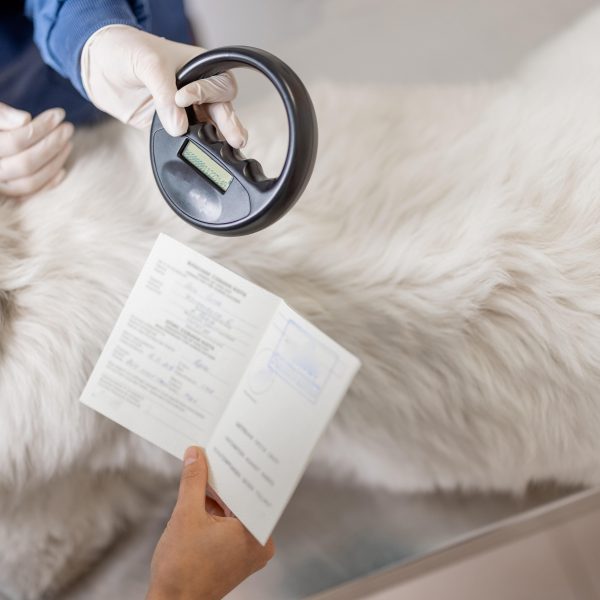
Even though most records for your dog are electronic nowadays, it’s still smart to have both digital and hard copies of important documents. There are a few things all dog owners should have in hand just in case of an emergency. Here are a few of the important documents you should have for your dog:
- Rabies certificate or waiver
- Latest vaccine records
- Proof of ownership
- A trust
- Proper licenses
- Emergency numbers
- Photographs
- Emergency evacuation plan
1. Rabies Certificate or Waiver
Getting your dog vaccinated against rabies is extremely important and often is required in most states. In case of any emergency, you should have a certificate or proof that your dog is vaccinated against rabies. Sometimes, dogs are given a tag to wear on their collar. If your dog doesn’t wear a collar at all times, be sure to have the certificate easily accessible.
If your dog has a waiver to be exempt from the rabies vaccination because of health concerns, make sure you have a hard copy of the waiver. However, this exemption needs to be determined by a veterinarian and the waiver provided by them.
2. Latest Vaccine Records
Along with a certificate of rabies vaccination, you should have hard copies of other vaccination records as well. Getting a list of any necessary vaccines is one of the questions to ask at your first vet visit.
If you travel with your dog, you may need to show proof of certain vaccinations to be admitted to pet-friendly events or hotels. These records may also be necessary for boarding your dog, pet sitting, or doggy daycare. You might not need to show proof of vaccination, but if your dog isn’t vaccinated, this is one of the signs you shouldn’t go to the dog park.
If you don’t have hard copies of these documents, ask your veterinarian to send them to you. Then, at any appointment that involves immunization, ask to have the updated copy as well. Also, make sure you are creating digital backups of these important documents.
3. Proof of Ownership
Unfortunately, situations may arise when you need to show proof of ownership. Sometimes this happens in situations of divorce or separation between two people. Because the law views pets as property, ownership must be proven to maintain custody of the animal.
Proof of ownership can be proven through a registration record, an adoption record, or something more formal like a legal document that has been notarized. If you share a dog with someone else, make sure any ownership agreement is written in clear language.
4. A Trust
No one likes to think about their own mortality, but if you have a dog, you need to think about what will happen to them in the event of your death. Even if you have a section in your will about what happens to your dog, you should have a legally enforceable document to avoid any problems. Unfortunately, wills have some loopholes when it comes to a pet’s future. It’s best to consult with an attorney to draw up a trust.
To avoid your dog being placed in a shelter, ask a family member or friend if they would be willing to take your dog in if something happens. Get this agreement in writing because a verbal agreement doesn’t always hold up in court. Be sure to outline if there are any funds set aside for their care. Losing an owner can be very stressful to a dog, but with the right person in place to take them in, the adjustment can be a little bit easier
5. Proper Licenses
Most states require you to have a license for your dog. In addition to the tag that comes for your dog to wear on a collar, make sure to have the document of the license easily on hand in case of any necessary situation.
6. Emergency Numbers
Like most people, you probably keep emergency numbers for your dog and your cell phone. However, if your dog is at doggy daycare or with a dog sitter, those numbers should be available in case of an emergency. This is also an important dog boarding tip to be aware of.
Write down the name of your veterinarian, and in the case of an emergency, an emergency veterinarian hospital that you would go to, as well as any friends or family to contact if they can’t reach you. Keep a few copies of these on hand and have them posted on your refrigerator or a bulletin board for you and any family members, as well as any dog sitter who visits your home.
7. Photographs
Most dog owners have hundreds of photos of their dog digitally. While it’s great to capture photos on your cell phone, make sure that you have at least a few printed photos of your dog, including one with both you and your dog in the photograph. If you’re struggling to get a good photo, a few tips to take your dog’s photo include using treats or teaching them a verbal cue.
Make sure you have a 5 x 7 or larger photograph. This is necessary in case your dog goes missing. Having a current printed photograph, along with digital backups, will make it much easier to get copies made to hang up as flyers.
8. Emergency Evacuation Plan
Pet disaster preparedness is important! Hopefully, you never need to use an emergency evacuation plan for you or your dog, but depending on where you live, you should think about developing a plan in case of an emergency.
Write down everything you need to take with you for your dog, such as food and water, any special toys, necessary medications, and some treats to help ease some anxiety. You should also have a dog first aid kit. You may want to consider having a go bag ready in case you need to leave quickly.
You may also want to have a list of places to stay with your dog in the event of an emergency. Make sure you have more than one option, just in case places are already booked. Include addresses, phone numbers, and websites. That way, you don’t have to waste valuable time researching on the internet looking for contact information.
These are just a few of the important documents you should have for your dog. These items are important for medical purposes, legal purposes, and in case of any emergencies. Having everything on hand can help you avoid taking extra time to track things down.