
How to Handle Feeding Time If You Have Multiple Dogs or Pets
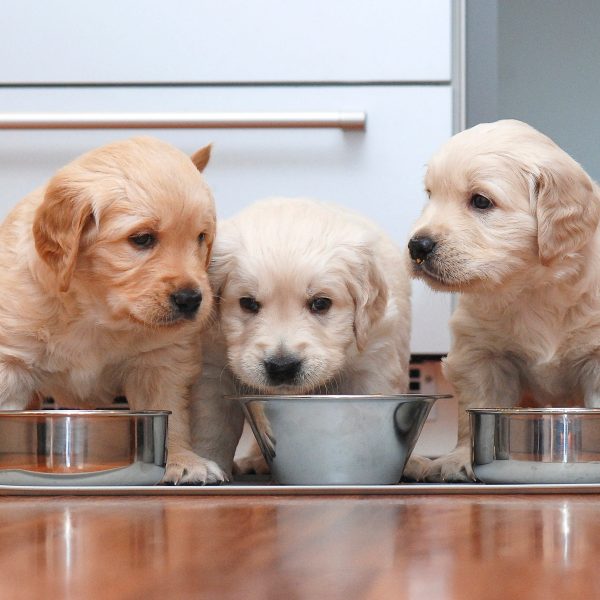
Feeding time can sometimes feel a little bit chaotic, especially if you have a few dogs or even a lot of pets. Sometimes a dog will steal some of the cat’s food, or a dog might be too scared to go near their dog bowl if the cat is close by. This can feel stressful and overwhelming for everyone involved. Here’s how to handle feeding time if you have multiple dogs or pets:
- Know your pets’ nutritional needs.
- Create a feeding routine.
- Set up a feeding station.
- Add enrichment activities.
- Don’t be afraid to ask for professional advice.
1. Know Your Pets’ Nutritional Needs
It’s really important to understand and know how much food your dog or pets require. You also need to make sure you are meeting their individual dietary needs, which can be helpful when you need to choose the best dog food for your dog. Each pet’s needs will be different, depending on their breed, size, health, and age.
Dogs
If you have a few dogs, chances are you probably can’t feed them the same dog food. Depending on the breed, age, and size of your dog, they may have different requirements.
If your dog is especially active, they need a higher-calorie-density food to support their activity level. Older dogs may not require as much food or as many calories, but they may require additional supplements that can help improve joint health.
Puppies need a higher content of fat and protein in order to help them grow. There are also different standards for how often to feed a puppy. Puppies should have smaller meals, more frequently rather than one larger meal twice a day.
If your dogs are relatively in the same age and size bracket, talk to your vet about any specific dietary needs they may have. Unless anything specific comes up during a veterinarian visit, they may be able to eat the same food, making feeding times a little bit easier.
Cats
Cats typically need a diet that is high in protein, specifically animal protein. If they have any health concerns such as UTIs, they may require a special formula. Because of the high amount of protein, you want to do your best to keep your dog away from eating cat food.
Other Pets
Depending on what other pets you have, talk to their veterinarian to determine what their specific requirements are to keep them healthy. If you have a pet like a guinea pig, hamster, or rabbit, feeding times may look very different for them than cats or dogs.
2. Create a Feeding Routine
Most animals, including dogs, thrive on routines. Part of how to create a good routine for your dog includes a solid feeding schedule. Unless your dog or another pet has a medical condition and your vet has advised free feeding, developing a routine around consistent meal times is best. Consistent routines help your pets know when they’re getting fed and may eliminate some anxiety and bad behavior.
A consistent routine can also help pets behave better during meal times because they may feel less like they need to fight for their meals. When meals reliably show up at the same time every day, your pets learn that food will always appear, and they don’t need to be anxious. This can also be a good way to help manage resource guarding in dogs.
If you don’t have a consistent routine, try to guide your dogs or pets into this slowly. If you’re not quite sure how to do this, talk to your veterinarian. If you end up needing the help of a trainer, your vet may have some recommendations to help you find some good options.
3. Set Up a Feeding Station
Setting up a feeding station for your dog and other pets can help streamline feeding times. Make sure this is an area that your pets can easily access during feeding time and ensure that they have access to water at all times of the day.
Consider Separate Feeding Spots
If feeding times have been a little contentious, sometimes setting up separate feeding spots near the feeding station can help eliminate problems. However, if one dog has a tendency to encroach on another dog’s space, try feeding one dog in a separate room. If one of your dogs or pets doesn’t finish their entire meal, put the bowl up where it’s unreachable so another pet doesn’t eat it.
Use Physical Barriers If Needed
Depending on your dog’s behaviors, you may need to use physical barriers to keep your dogs or pets separate. If you can put them in different rooms, shut the door and give them peace to eat until they’re done.
Another option is using baby gates or a collapsible pen to keep pets separate. Because animals tend to adapt quickly, they will pick up the routine quickly and will begin heading to their designated eating area when mealtime rolls around.
Reduce Stress During Feeding Times
Establishing these separate spaces can help dogs and other animals avoid resource guarding. If you do feed your dogs or other pets in the same general space, do not let dogs share food bowls because this can create conflicts and may lead to one dog eating more than the other. It also reduces stress and allows your dogs to eat slowly, which is important for digestion.
4. Add Enrichment Activities
If you have one pet that consistently eats way too fast and tends to bug your other pets, consider using slow feeder toys or puzzle feeders. These devices are a great way to stop a dog from eating too fast, and they give your pet extra enrichment.
Sometimes it’s the most chaotic right before your pets get fed while you are gathering their food and distributing it into bowls. In order to keep things a little calmer, try to distract your pets with enrichment activities. Let them play with a special toy that they only get right before mealtime, or use this time to work on training exercises.
5. Don’t Be Afraid to Ask For Professional Advice
Making sure you have a solid feeding routine and separate zones for your pet pets can help alleviate mealtime issues, especially in a multi-pet family. However, if you’re still having problems after putting solid routines into place, you may want to consult a professional animal trainer.
These professionals can observe your routine and offer solutions for pain points. They’ll also be able to help you create routines for any specific behavior issues. If you’re not sure who to reach out to, ask family or friends who also have dogs or other pets. You can also ask your veterinarian if they have any recommendations.
This is an overview of how to handle feeding time if you have multiple dogs or pets. Hopefully, implementing some of these routines and tips can help make mealtime a lot less stressful for you and your pets. If you have any problems or questions, don’t be afraid to reach out for professional advice and support!