
-
Activity Level:
high


-
Shedding Level:
low
-
Grooming Level:
high
-
Trainability:
high
-
Good for Novice Owners:
high
-
Adaptability:
high
-
Kid/Pet Friendly:
often
-
Prey Drive:
low
-
Watchdog:
very alert
- Average Size: Small
- Average Lifespan: 10-13 years
- Registered?: other
Eskipoo Dog Breed Information
Overview
Temperament
Adaptability
Health
Owner Experience
Grooming
Activity Level
Size
Life Span
Did You Know?
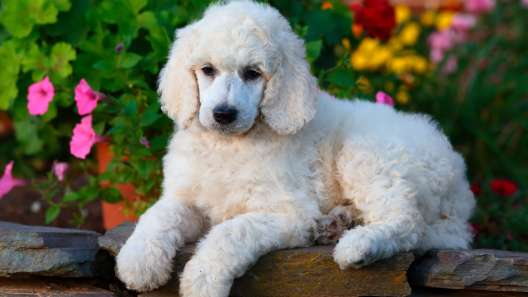
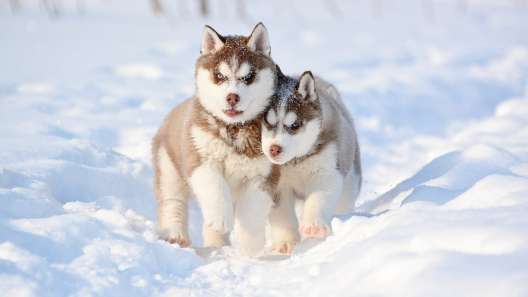
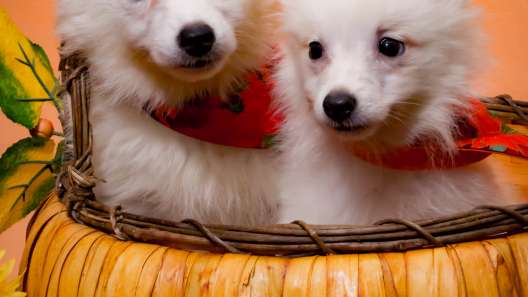
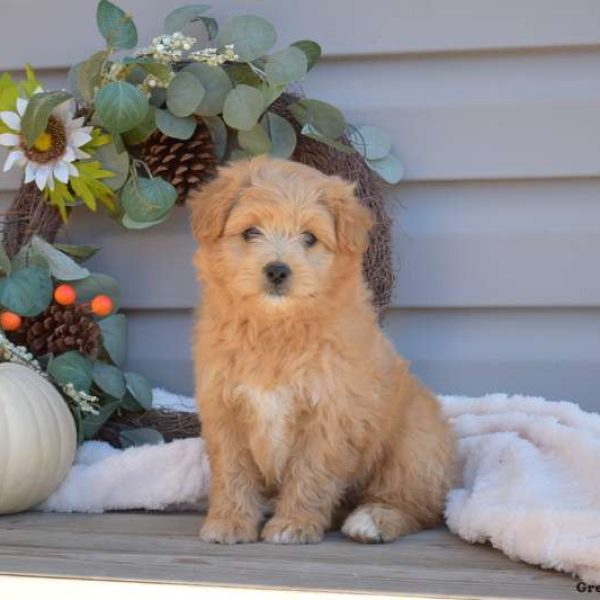
An Eskipoo is a cross between an American Eskimo dog and a Poodle; usually, a Miniature Poodle. These fluffy little dogs are affectionate and gentle. People tend to fall in love with their playful, energetic personalities.
Although the Eskipoo is not currently recognized by the AKC, they are recognized by other notable dog organizations. The Designer Dogs Kennel Club, International Designer Canine Registry, and more all recognize the Eskipoo. The American Canine Hybrid Club recognizes them as a Pookimo.
These little dogs love to play, love to cuddle, and love nothing more than getting attention from their favorite humans. Some facts about Mini Poodles that are also true for Eskipoos are that they are people-oriented and make great family dogs. Their affectionate, gentle nature and playful, friendly personalities make them a great fit for families. Well-socialized, they tend to get along well with children, other dogs, and other pets.
Although they do tend to be open and friendly with strangers once introduced, provided they are properly socialized, they also tend to bark to alert you of people, animals, etc. nearby. Because of this, it’s important to train your dog to stop barking early on to help keep it from becoming a nuisance.
Although they are high-energy dogs, Eskipoos are also highly adaptable dogs. They do well in larger homes with fenced yards where they can run. Also, they can adapt to apartment living as long as they get enough daily exercise, mental stimulation, and attention every day.
With their Spitz-type background and fluffier coat, they handle cold pretty well. One of the facts about American Eskimo dogs that tends to be true for Eskipoos is that they love the snow and cold. As with all dogs, they are sensitive to heat. Because these small dogs bond closely with their families and thrive on attention from them, they do not do well with long periods of time alone. This can also make them prone to separation anxiety if you do not work on this with them when they are young.
Mixed-breed dogs can be healthier than purebred dogs, but it’s not a guarantee. They can inherit none, some, or all of the health conditions common to their parent breeds. Potential health concerns to be aware of in an Eskipoo can include luxating patella, diabetes, cataracts, Legg-Calve-Perthes, hip dysplasia, progressive retinal atrophy, glaucoma, and eyelash abnormalities.
Good breeding practices and the health of the parents make a big difference in the health of Eskipoo puppies. Reputable breeders will screen their dogs to avoid passing preventable issues to puppies. So, make sure you are asking about the health and genetic history of both parents, and about any health tests that have been done.
Eskipoos are highly intelligent dogs that pick up on things quickly and are eager to please. Although they can get bored easily, they tend to be a good fit for owners of all experience levels. They thrive on positive praise and reward, and tend to work hard to gain attention from you.
Benefits of puppy training classes include socialization and strengthening the bond you have with your puppy, in addition to reinforcing training and keeping it consistent. So, they can be a good idea, even if you don’t necessarily need help with training.
The Eskipoo coat still ranges from the curly Poodle coat to the longer, thicker American Eskimo coat. If they inherit a Poodle coat, they won’t shed, but they will require daily brushing and professional grooming every 4-6 weeks. An American Eskimo coat will shed moderately year-round and more heavily as the seasons change. Brushing a few times a week and the occasional bath is all this coat needs.
In addition to coat care, you will need to take care of your Eskipoo’s nails, ears, and teeth. Nail trims once or twice a month keep nails from growing too long. Weekly ear checks with careful cleanings as needed help prevent ear infections. Daily dental care, like brushing with dog-friendly toothpaste in addition to cleanings at the vet when needed, helps prevent dental diseases later in life.
Although these dogs tend to be small, they are not couch potatoes at all. In fact, they are high-energy dogs that require walks, playtime, and some time to run every day to be happy and healthy.
Thankfully, they also tend to be versatile and athletic dogs that are up for almost anything if it means spending more time with you. Just make sure puppies finish growing and developing, and you get vet approval, before you tackle more intense, higher-impact activities. High-impact activities before bones and joints are done growing can damage them.
A fully-grown Eskipoo usually stands 9-15 inches tall and weighs 10-20 pounds.
Eskipoos generally live for 10-13 years on average. Some individual dogs have been reported to live up to 15-19 years old!
An Eskipoo is also referred to as a Pookimo and an Eskapoo.