
-
Activity Level:
moderate


-
Shedding Level:
moderate
-
Grooming Level:
low
-
Trainability:
moderate
-
Good for Novice Owners:
moderate
-
Adaptability:
moderate
-
Kid/Pet Friendly:
sometimes
-
Prey Drive:
moderate
-
Watchdog:
very alert
- Average Size: Small
- Average Lifespan: 12-15 years
Frenchton Dog Breed Information
Overview
Temperament
Adaptability
Health
Owner Experience
Grooming
Activity Level
Size
Life Span
Did You Know?
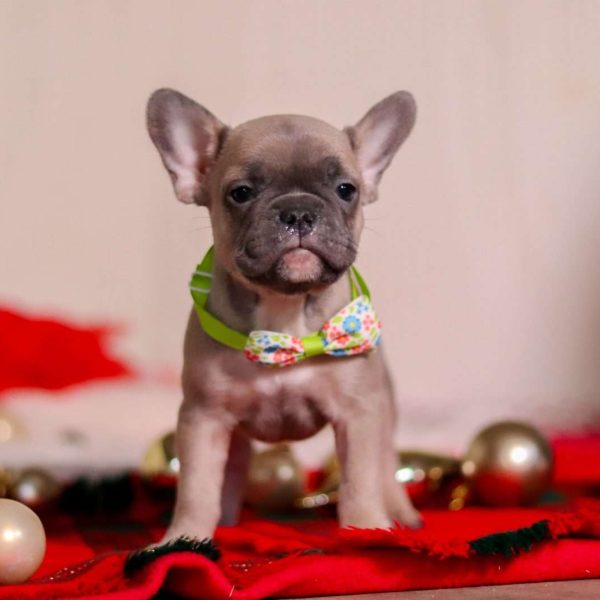
The Frenchton, also sometimes referred to as a Faux French Bulldog, Frenchbo, or a Boston Frenchie, is a designer dog breed that was developed in the 1990s. It is a mix between a French Bulldog and a Boston Terrier.
As a mixed dog breed, the Frenchton can exhibit any combination of characteristics from the parent breeds. Usually, a Frenchton has a sweet personality with the build of a French Bulldog and the more athletic nature of a Boston Terrier.
Although the Frenchton is not recognized by the American Kennel Club, as it is not a purebred dog, it is recognized by other notable dog organizations and registries. The American Canine Hybrid Club, the International Designer Canine Registry, the Designer Breed Registry, and the Designer Dogs Kennel Club all recognize the Frenchton.
This designer dog breed is loyal, friendly, and intelligent. Although small, they are energetic and very playful. One of the facts about French Bulldogs that is also true for Frenchtons is that they are a companion breed through and through, so they love spending time with their humans and crave attention.
They love to cuddle! The Frenchton also gets along well with children, which makes them a great fit for families. Due to their small stature, these little dogs can be injured easily by accidental falls or rough play that can occur with younger children. Older children are usually a better fit for the Frenchton.
They also get along with other pets, but may not be as naturally open or friendly to other dogs. Socialization early and often can help your Frenchton feel more comfortable when they come into contact with other dogs. They also make alert watchdogs who will bark to alert. This can also mean that they are prone to barking a lot. Training your dog to stop barking early on can help to keep it from becoming a nuisance.
Frenchtons are moderately adaptable dogs. They don’t take up much space. Although they have an energetic and playful nature, they also tend to be laid-back. This makes them a good fit for apartments as well as larger homes. They are also true companions and crave attention, so they do not like to be left alone for long periods of time. As long as they get enough exercise and attention every day, they will be happy.
Because they are small, snub-nosed dogs, they are very sensitive to heat and are at a higher risk of overheating than dogs with longer muzzles. These are important things to know about flat-faced dogs before bringing one home. Their small stature and short coat also make them susceptible to cold. The Frenchton does best in moderate climates.
However, they can do well in colder or warmer climates as long as you’re there to help them. You can get some durable winter gear for your dog to help them better handle the cold. In hotter weather, make sure they have plenty of water available, keep their exposure to heat minimal, and the air conditioner on a comfortable setting.
Although mixed-breed dogs can sometimes be healthier than purebred dogs, it’s not a guarantee. They can inherit some, all, or none of the conditions common to their parent breeds. Some potential health concerns to be aware of can include Brachycephlaic Airway Obstruction Syndrome (BAOS), hip dysplasia, elbow dysplasia, luxating patella, and eye problems. Good breeding practices and the health of the parents make a big difference in the health of Frenchton puppies.
Reputable breeders will screen their dogs to make sure they are not passing preventable issues to puppies. Make sure you are asking the breeder about the health of the parents and about any health tests or clearances that have been done. It’s important to keep in mind that because the Frenchton is a brachycephalic dog, meaning they have a small head and snub-nose, they can be prone to developing respiratory disorders, ailments affecting the eyes, and digestive concerns.
They also tend to be sensitive to extreme temperatures and are especially sensitive to heat. Your Frenchton will likely snort, grunt, and be prone to gas – these are all normal occurrences. If you notice an abnormal change in your pup’s normal snorting or gas, take them to the vet. It could be a sign they are getting sick, developing allergies, or are in need of a change in diet.
The Frenchton can be a good fit for a first-time dog owner. They are an intelligent dog breed that is eager to please. They can have an independent and slightly stubborn streak, so obedience classes might be a good idea for novice dog owners. This ensures training sessions are effective, stay positive, and strengthen the bond with your dog.
Frenchtons tend to be sensitive to your tone of voice, so it’s important to be firm but not harsh when you correct them during training. This does mean you need to be careful of your voice and intonation during training, but it also means you can use various verbal cues and commands when training your dog. This is one of the facts about Boston Terriers that carries over to the Frenchton.
The Frenchton has a short coat with fine hair. Common coat colors are black, black and white, brindle, cream, golden, and brown. Although they are not considered hypoallergenic, their coat does not shed much, so their grooming needs are minimal in that respect. Brushing once or twice a week will keep your pup comfortable and their coat healthy. They will also require the occasional bath, but usually only as needed.
In addition to coat care, you will also need to take care of your Frenchton’s nails, ears, and teeth. Your dog’s nails should be trimmed once or twice a month to keep them from getting too long. Ear checks on a weekly basis, along with careful cleanings when needed, can help prevent ear infections. It’s also important to brush your dog’s teeth. Daily brushing, along with cleanings at the vet when needed, is ideal to keep tartar buildup at bay and to reduce the risk of tooth decay or other dental issues later in life.
This dog breed has a moderate activity level. Because they are smaller and are snub-nosed, they tend to get tired quickly and can overexert themselves. Daily walks and some playtime throughout the day are usually enough for this dog.
Despite being a flat-faced breed, these dogs can still be quite athletic. Some snub-nosed dogs even train and compete in dog sports! Working in short bursts, playing indoor games if the weather outside isn’t the right temperature, and taking breaks to rest and rehydrate to avoid overheating are ways to safely exercise flat-faced dogs.
A Frenchton usually stands 9-11 inches tall and weighs 15-25 pounds.
Frenchtons generally live for 12-15 years on average.
Frenchton puppy litters usually average 5-10 puppies.