
Are All Dogs Food-Motivated? (And What to Do If Your Dog Isn’t Motivated By Treats)
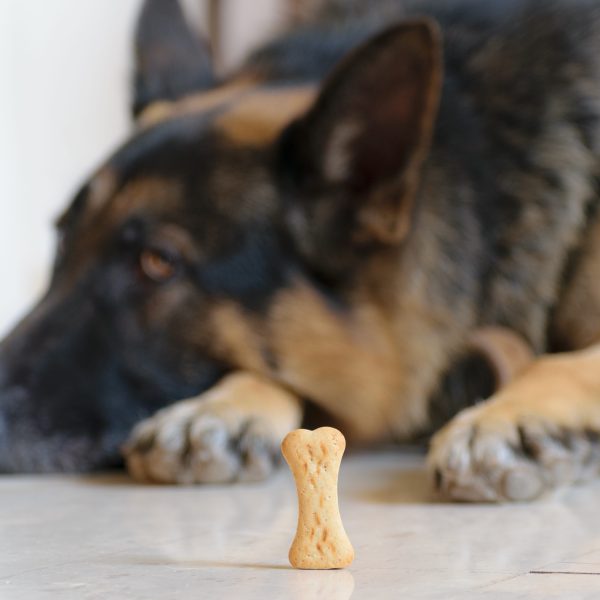
Have you ever tried working on training with your dog and they are just totally disinterested in the treats you offer, or too interested in them? Because so many dogs are highly motivated by food and treats, disinterest might seem a little strange. Or maybe your dog is too obsessed with treats, and you need to figure out a different reward for training. Either way, it might have you wondering how to train your dog without the promise of treats. So, are all dogs food-motivated? Here’s what to consider and what to do if your dog isn’t food-motivated, or is too food-motivated:
Are All Dogs Food-Motivated?
Essentially, yes, all dogs are food-motivated. If a dog isn’t food-motivated, they won’t eat. However, some dogs are not motivated to do certain tricks or follow training when offered food or treats. Some dogs would do anything for a piece of kibble, and others are more selective.
So when someone says their dog isn’t food motivated, what they really mean is their dog isn’t necessarily motivated by treats to train or modify behavior. There might be some context surrounding the situation as to why your dog isn’t motivated by treats.
4 Reasons a Dog Might Not Be Motivated by Treats
Here are some potential reasons a dog might not be motivated by treats or food:
- They might be motivated by something else.
- They might be anxious or stressed.
- They may not be hungry.
- There might be medical issues.
1. They Might Be Motivated by Something Else
Sometimes your dog is simply interested in something else they’ve deemed more fun or intriguing. This might be another toy, animal, person, or even another dog.
If you’re at a park and your dog catches a glimpse of a squirrel, they might find chasing that squirrel to be way more interesting and rewarding than a treat. Your dog is thinking, “Why would I stop for one treat when I can have fun chasing this squirrel?”
This might have you wondering, “Why is my dog obsessed with squirrels?,” and choosing a squirrel over a treat. Dogs are innately wired to chase small prey, and sometimes that drive overtakes the desire for a treat
2. They Might Be Anxious or Stressed
Sometimes, not wanting to work on training or learn new tricks for treats can be a sign your dog is stressed or anxious. Sometimes, like humans, a dog might not feel like eating when they’re stressed or anxious. You may notice other signs like pacing, more vocalization, and excess shedding if this is a reason why your dog isn’t motivated by treats.
3. They May Not Be Hungry
You know what it’s like when someone offers you a piece of cake or pie after you’ve had a really big meal. Sometimes you might have the appetite for it, but other times, you might not. If your dog has just eaten, a treat might just not be motivating enough for them. Even if it’s their favorite treat, they might just not want to eat right after their dinner.
4. There Might Be Medical Issues
A more serious reason your dog might not be excited to work on training or perform tricks for treats is if they don’t feel well. A lack of appetite is one of the biggest signs and symptoms you should never ignore in your dog and may be a reason they don’t want treats. If this is the case, this might be accompanied by lethargy or vomiting and diarrhea. This is a big indicator that something’s not right, especially if your dog typically is excited to have treats.
What to Do If Your Dog Isn’t Motivated By Treats
If your dog has never been very motivated by treats or if it’s a new phenomenon, here’s what to do if your dog isn’t motivated by treats:
- Rule out any underlying causes.
- Assess their eating habits.
- Change up the treats.
- Find other motivators.
1. Rule Out Any Underlying Causes
Before you move forward, you need to make sure that your dog has been assessed by a veterinarian to rule out any underlying issues. Depending on what the veterinarian finds, your dog may need to begin treatment or go on medication for a little bit. In most cases, when medical issues clear up, a dog’s appetite returns, and they are excitedly motivated by treats again.
If no medical issues are found, you should also figure out if anything in their environment is bothering them and causing any stress and anxiety. There are a few ways to help an anxious dog, like increasing exercise and playtime. Implementing some new routines and techniques can help your dog feel a lot more secure and safe in their own home.
2. Assess Their Eating Habits
If your dog always has access to a full dog bowl, they might be eating too much, which can cause a lack of interest in treats. Unless your veterinarian has recommended free feeding, it’s best to set up a regular feeding routine for your dog. You can set up a feeding station to help create a reliable routine for your dog.
A feeding station is a great idea if you have a dog who’s anxious during mealtime. A dedicated space for eating can help ease a dog’s anxiety so they enjoy their meals. You may also want to figure out if there are any other factors affecting your dog during mealtimes, such as another dog bothering them or trying to steal their food.
3. Change Up the Treats
Sometimes dogs’ tastes change overnight. What might have been one of their favorite treats may not excite them anymore. If you’re using dry kibble, this might not be very exciting to your dog, so try looking around for something that has more flavor or texture.
New and exciting treats can help your dog be more motivated to work on training or learn new skills. You can try a new treat from the store, or explore some dog treat recipes to try to make something at home. If you’re not sure what the best type of treat is for your dog, don’t be afraid to reach out to your veterinarian.
Your dog might also enjoy some of the best fruits and veggies for dogs. Most dogs love certain vegetables, like cucumbers and carrots, as well as fruits like watermelon and bananas. However, make sure that your dog doesn’t have any dietary issues before trying anything new!
4. Find Other Motivators
Even if you’ve tried new treats or eliminated health issues, your dog might still not be very motivated to perform tricks or learn new skills with the promise of a tasty treat. In this case, you need to find something else to motivate them.
Some dogs are a lot more excited to work for the promise of a fun toy or chasing a ball. You could also offer them a special toy after training sessions or other activities. This toy should only be used in certain situations so they don’t get bored with it.
Other dogs absolutely love playtime with you, and that in itself can be a great motivator for training and playtime. Your dog might also love getting praise and attention. If you notice your dog is responding much quicker when you praise them, this might be the key to motivating them. When you give your dog praise, make sure you sound enthusiastic and happy. Dogs pick up on even relatively small changes in tone, so it’s important to sound happy!
So, are all dogs food-motivated? It depends on your dog because some are more or less motivated by treats than others. If you’ve ruled out any medical issues or factors like stress, your dog might be motivated by something else. Finding out what motivates your dog can help aid in training and playtime!