
What to Know About Cobbing in Dogs
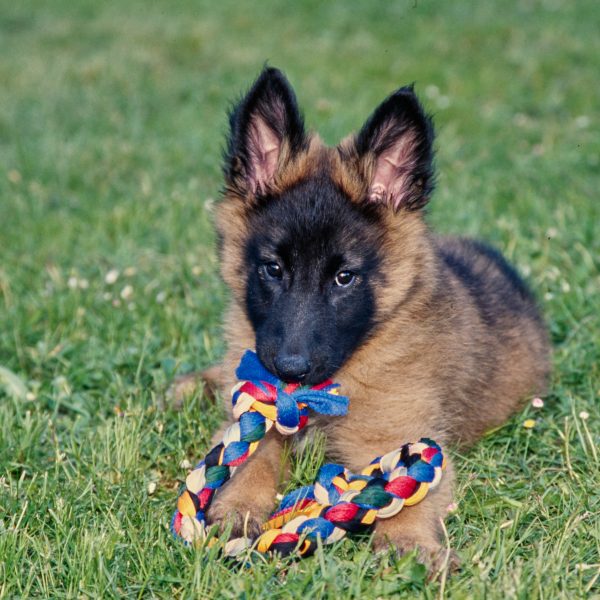
Have you ever noticed your dog nibbling on a blanket or a pillow? This behavior is called cobbing, and your dog may be doing it for a variety of different reasons. Here’s what to know about cobbing in dogs:
What is Cobbing in Dogs?
Cobbing is a behavior in which a dog gently uses their front teeth to give a gentle and small nibble. It’s called cobbing because it resembles a person eating a corn cob. Dogs will do this to their owners, other animals, and items like blankets or toys. Cobbing is different from aggressive behavior, like biting or nipping, and it’s also different from mouthing. Mouthing is when a dog, most often a puppy, gently bites down.
Cobbing behavior stems from a similar behavior when puppies nibble their mothers to help produce milk. While some dogs stop this behavior as they age, other dogs continue this behavior as they grow into adulthood.
What Are the Signs of Cobbing in Dogs?
There are a few signs of cobbing in dogs to look out for. These signs include:
- Gentle but fast nibbling that only uses the front incisor teeth.
- Targeting body parts, such as arms and hands, as well as blankets, toys, or another dog or animal’s fur.
- Cobbing behavior can occur when a dog is happy and relaxed.
- It can also be an attempt to self-soothe.
- This behavior may look like social grooming.
Why Do Dogs Engage in “Corn Cobbing?”
Your dog could be cobbing for a few different reasons. Some reasons are harmless, but others can indicate a deeper issue. Here are a few reasons why dogs engage in “corn cobbing” behavior:
- They’re displaying affection.
- Your dog wants attention.
- They’re bored.
- Your puppy is teething.
- It’s a part of grooming.
- It may be a sign of anxiety, stress, or other obsessive behaviors.
1. They’re Displaying Affection
There are many ways a dog shows love or affection. Because this behavior goes back to puppies and nursing with their mother, cobbing can be just one way for them to display affection. This can indicate that your dog feels comfortable being around you and that they trust you. They may also nibble other dogs in the home as a way to comfort or relax. As long as the other animal is comfortable, it can be a sign of a good relationship between the two.
2. Your Dog Wants Attention
Sometimes, this is a behavior to get your attention, much like why dogs bring you things. It’s a gentle way of reminding you that they are there, and they either want to play or are seeking attention.
3. They’re Bored
Cobbing behavior may be a sign your dog is bored. This is a way for them to get some mental stimulation if they’re bored or even frustrated. If you notice this behavior when they’re sitting alone or disinterested in other things, try to engage them in an activity that gives them plenty of mental stimulation.
4. Your Puppy is Teething
Much like human babies chew on items to help relieve discomfort from teething, cobbing is common in puppy teething. This is also why some dogs continue this behavior into adulthood. They remember the self-soothing behavior and the comfort it brought them.
5. It’s a Part of Grooming
Cobbing can also be part of grooming and cleaning. This is a great way for dogs to remove their undercoat during shedding seasons. They often cob on areas of their lower body that they can’t scratch with their paws.
However, if you notice excess cobbing, chewing, licking, and scratching, this could be a sign that your dog might have fleas, which is why flea treatment is important. This also might be a sign of a skin condition. If you notice any red or inflamed skin, schedule a veterinarian appointment. They’ll be able to help determine the cause and get your dog treatment.
6. It May Be a Sign of Anxiety, Stress, or Other Obsessive Behaviors
Since this behavior is often a way to help a dog relax, some dogs might use it to help them feel less stressed or anxious. While this behavior is fine occasionally, obsessive cobbing can be a sign your dog is stressed or anxious.
Sometimes, cobbing can become an obsessive habit. This may cause fur loss and damage to the skin. If you notice this in your dog, you may want to seek out help from your veterinarian or a dog behaviorist.
When Does Cobbing Become a Cause For Concern?
While this behavior is normal, it can sometimes indicate deeper issues and should be discussed with a veterinarian or a dog trainer. Here are a few signs that cobbing has become a cause for concern:
- Obsessive nibbling or aggression
- Boredom
- Anxiety or stress
- Pain or illness
1. Obsessive Nibbling or Aggression
If you notice your dog nibbling almost obsessively or very intensely, this could indicate that an obsessive habit is forming. If your dog is starting to bite much more intensely, this could lead to skin problems or infection.
Sometimes, dogs might become aggressive if they’re interrupted when they are cobbing. They may lash out at you or another animal. This behavior should not be aggressive, so it’s something to be aware of if you notice any aggression.
2. Destruction or Destroying Things
Sometimes, a dog exhibits this behavior because they’re bored. When a dog is bored, they look for anything that can stimulate their brain. Sometimes this behavior can become destructive to themselves, humans, or even other animals. If you notice that their cobbing is causing destruction, you should try to figure out if your dog is getting plenty of enrichment. Thankfully, there are plenty of ways to keep your dog from getting bored.
A dog needs plenty of mental stimulation and physical exercise to keep them happy and content. This level will depend on each dog, but generally, a dog needs some sort of exercise every day, whether that’s playing fetch or going on a walk. Exercising and playing games helps get some of a dog’s energy out of their system so they can relax and enjoy more low-key activities. If a dog is cobbing because they are bored, they shouldn’t do it as much once they are getting more activity and mental stimulation.
3. Anxiety or Stress
Cobbing is a perfectly normal behavior until it all of a sudden is not normal. If it’s apparent that your dog is using this behavior as a way to self-soothe occasionally, they’re probably fine. However, if it becomes obsessive, this may mean your dog is struggling with some anxiety and is using this behavior to cope. You might notice they begin to show this behavior much more throughout the day rather than just in the evening or other times of relaxation.
If you notice cobbing behavior along with other signs of anxiety, there are ways to help an anxious dog. Firstly, reach out to your veterinarian. They can help figure out ways to manage your dog’s anxiety, which might include medication.
You can also talk to a dog trainer or a dog behaviorist. These trained professionals can help you assess your dog’s routine and figure out if anything should be changed and how to make your dog feel less anxious and safer.
4. Pain or Illness
Sometimes, dogs use cobbing as a way to make them feel better if they are in pain or have some other illness. There are plenty of signs and symptoms you should not ignore in your dog, like extreme lethargy and fatigue, limping, hyperactivity, pacing, or restlessness. If you notice any of these along with cobbing, you should schedule an appointment with your veterinarian as soon as you can.
How to Stop Excessive Cobbing
While this behavior is usually harmless, you may want to seek professional help, especially if cobbing becomes excessive. Here are a few ways to stop excessive cobbing:
- See a vet.
- Address their boredom.
- Train to help prevent aggression.
- Treat their anxiety.
1. See a Vet
If you suspect that your dog is exhibiting this behavior because of pain or some other issue, you should see a veterinarian. Your veterinarian will give your dog an exam and see if there are any issues that might be bothering them, such as a skin issue or arthritis. This can help determine whether cobbing is a response to a physical problem or a behavioral problem. Once you know which direction to follow, you can seek behavioral or medical help.
2. Address Their Boredom
Because cobbing can be a response to boredom, it’s important to make sure your dog is getting plenty of mental and physical exercise. There are so many different ways to exercise with your dog that you’re bound to find something that works for both you and your dog.
This can be tailored to your dog’s breed, their size, and even their personality. Some breeds are much more low-key and don’t require as much exercise, but every dog needs some type of exercise and mental stimulation daily. A good 20-30 minute walk once or twice a day is usually a great place to start. You can also introduce toys, like chew toys. Chewing can be a great enrichment activity for dogs.
If the weather doesn’t allow you to be outside, try playing some fun indoor games, such as indoor scent games. Scent games are a great way to stimulate a dog mentally because it lets them use their nose and think about what they are trying to find. This is important since dogs rely on sniffing to understand their surroundings and tend to enjoy exploring interesting scents.
3. Train to Help Prevent Aggression
If your dog’s cobbing behavior turns aggressive, you need to work on training, and it may take some professional insight from a dog trainer or behaviorist. They can help find the root issue and build a system to help your dog stop.
If your dog nips you while cobbing, you must react by yelping so your dog understands that they hurt you. Don’t yell at your dog, but making a noise that they can understand can communicate to them that you are hurt.
You can also try ignoring your dog or even leaving the room for a few minutes. It’s important that you don’t give too much of a reaction, which can also be helpful if you’re wondering how to deal with temper tantrums in dogs. Otherwise, they might think you’re encouraging the behavior.
4. Treat Their Anxiety
Because cobbing can be a sign of anxiety, it’s important to get to the bottom of the issue so you can work at fixing it. While providing more exercise or toys might help relieve their anxiety or stress, you might need to seek help from a professional dog trainer if the issue is more serious.
A dog behaviorist can help look at your dog’s overall daily experience and see if there’s anything that might be triggering them. Sometimes, tweaking a dog’s routine just a little bit can help relieve some anxiety. If your dog tends to cobb after walks where there are a lot of people and other dogs, you may want to try a different route that’s a little quieter.
You can also try redirecting your dog’s behavior to a chew toy. Letting your dog chew on a toy lets them indulge the nibbling behavior more constructively. This way, they still get the benefit of relieving some stress or anxiety.
This is just an overview of what to know about cobbing in dogs. There can be many reasons why your dog is exhibiting this behavior, so it’s important to understand the underlying cause. If you’re concerned about your dog’s behavior, don’t hesitate to make an appointment with your veterinarian.