
Common Behavioral Challenges in Every Life Stage of Dogs
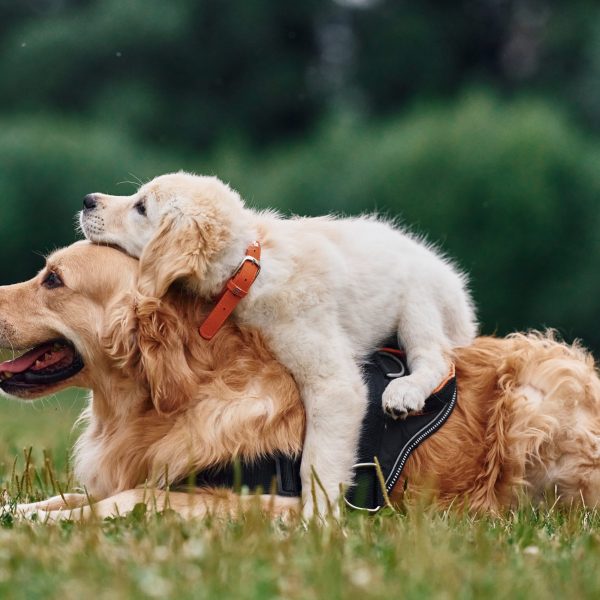
As puppies grow into adult dogs and continue to age, they’ll experience different behavioral shifts. Just as humans grow and age, dogs will also have different developmental milestones and behavioral challenges at each stage of their lives. When you bring a dog into your family, part of taking care of them is navigating these challenges and helping your dog continue to grow through them. Here are some common behavioral challenges in every life stage of dogs:
Puppyhood
Some dogs may have a puppy-like energy their entire lives, but puppyhood is generally considered to be from birth to 6 months. Puppies should not be separated from their mothers until they are at least 8 weeks old, and for some breeds perhaps not until they are 12 weeks old.
Generally, puppies are considered to have moved into the juvenile stage between 3-6 months. However, once you get a puppy home, here are some common behavioral challenges in puppyhood and things to keep in mind during the first 6 months with your puppy:
- Getting through potty training.
- Managing mouthing and nipping.
- Navigating puppy teething.
- Making sure your puppy is eating properly.
- Giving them enough low-impact exercise, without overdoing it.
- Continuing socialization.
- Training basic commands.
- Managing fear and anxiety.
- Managing separation anxiety.
Adolescence
Although some breeds may grow to their full size by 1 year of age, puppies finish growing at different rates, and larger breeds take longer to finish growing and developing. Some breeds may experience an “extended puppyhood” where they are slower to finish maturing until around 3 years of age.
That being said, adolescence in dogs generally occurs between 6 months and 2 years of age. These are your dog’s “teenage years.” Here are some common behavioral challenges in adolescence for dogs:
- Navigating physical changes.
- Continuing socialization.
- Finishing puppy teething.
- Managing chewing.
- Training and practicing basic commands.
- Managing boundary-testing.
- Preventing reactivity.
- Getting enough exercise, while keeping activities low-impact.
- Dealing with marking or territorial behaviors.
- Spaying or neutering, based on vet recommendations.
Adulthood
Many dogs are fully-grown and mature at around 2 years of age. Some dog breeds will take a little longer to finish growing and maturing, and may still be doing so, even though they are considered an adult dog. Adulthood in dogs is between 2 and 7 years of age. These are considered some of your dog’s “prime years.” Here are some common behavioral challenges in adulthood for dogs:
- Getting enough exercise and navigating new activities.
- Continuing socialization.
- Making sure they have the mental stimulation they need.
- Reinforcing training and learning new tricks.
- Preventing or managing resource-guarding behavior.
- Preventing excessive barking or nuisance barking.
Senior Years
A dog is generally considered a senior when they are 7 years old. For larger breeds with shorter lifespans, their senior years may technically be occurring in adulthood. For the most part, 7 years of age and older are considered your dog’s “golden years.” Here are some common behavioral challenges of the senior years of dogs:
- Managing increased sensitivity to sound.
- Managing fear and anxiety.
- Managing pain.
- Making sure they get enough exercise, without damaging aging joints.
- Teaching old dogs new tricks to keep their minds sharp.
- Navigating changes in sleep and activity patterns.
- Managing changing dietary needs.
- Dealing with potty training regression.
- Managing emerging age-related health issues.
- Being aware of cognitive changes.
Help Your Dog Grow Through Every Life Stage
These are just some common behavioral challenges in every life stage of dogs. Although individual dogs will vary, these tend to be common themes. Depending on your dog, some of these can be more challenging than others. Building a strong bond with your dog can help you both get through these shifts.
If things get difficult, don’t be afraid to lean on the support system for your dog for help when you need it. A good veterinarian can be a big help and offer valuable insight and advice. If you need it, a professional dog trainer can also help you navigate behavioral challenges with your dog.