
5 Common Nail Problems in Dogs
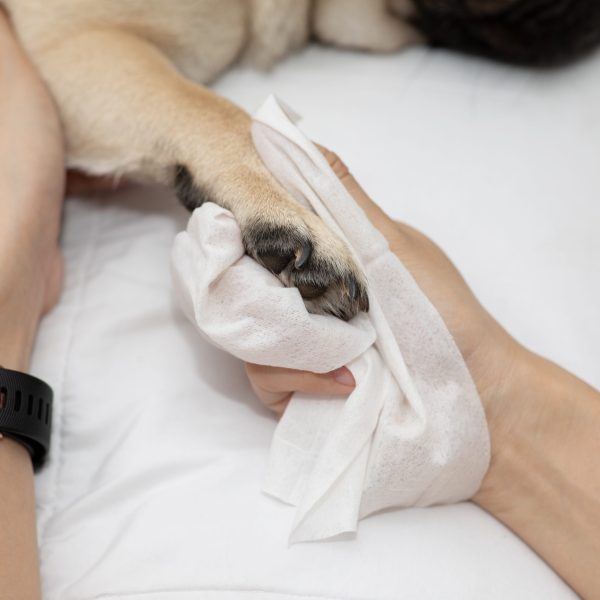
A dog’s nails are an important part of their anatomy because they help them maintain balance while walking, running, and playing. However, sometimes dogs may have nail problems that cause pain or discomfort.
5 Common Nail Problems in Dogs
Here are a few common nail problems in dogs:
- Nail injuries
- Nail trim accidents
- Nail infections
- Ingrown nails
- Lupoid Onychodystrophy
1. Nail Injuries
It’s fairly common for your dog to experience a nail injury now and then. When dogs run or walk while playing or exercising, sometimes a nail gets torn or has a split. If this occurs, the area might bleed or begin to swell.
If you notice that your dog has a nail injury that you suspect occurred during exercise or playtime, there are ways to treat a dog’s broken nail. Try to stop the bleeding and clean the area. Make sure that your dog takes it easy for a while while it heals. If you notice any redness, discharge, or excessive swelling, make sure to see a veterinarian. They’ll be able to assess the damage and take care of the injury.
2. Nail Trim Accidents
Unfortunately, nail trim accidents can be fairly common when trimming your own dog’s nails. Typically, this injury means hitting the quick of a dog’s nail. When you hit the quick, it cuts the blood vessel and nerve inside your dog’s nail. This causes pain and discomfort.
If you accidentally hit the quick of your dog’s nail, be sure to apply pressure as soon as possible. You can also keep some Styptic powder on hand in case you nick a quick. This is a sterile powder that will help quickly stop the bleeding. If the bleeding continues for more than 15 minutes, call your veterinarian. They’ll be able to patch your dog up and get them on the road to recovery.
When it comes to cutting your dog’s nails, there are a few things to remember. Having the right tools helps make the process go more smoothly and avoid injuries. If nail clippers make you or your dog too nervous, you can see if a nail grinder is a better fit. You still have to be careful not to grind nails too short or hit the quick, but you also won’t be trimming or cutting. You also need to help your dog stay calm and remember to reward them with plenty of treats and praise afterwards!
3. Nail Infections
Another common nail problem in dogs is infection of their nail or nail bed.
Bacterial Nail Infections:
If your dog has a bacterial nail infection, there’s most likely a primary cause. Sometimes it’s an infection from an irritation on the skin. Dogs tend to lick their paws if there’s irritation, and that can lead to an infection of the nail or nail bed.
Food and environmental allergies are among the most typical causes of bacterial nail infections. These can also lead to yeast infections. If you suspect your dog has a bacterial infection, take them to the veterinarian. If a bacterial infection is found, your dog will most likely be on topical or oral antibiotics to treat it.
Fungal Nail Infections:
Nail infections can also be fungal in nature, including ringworm in dogs. This infection causes the nails to crust over as well as the surrounding skin tissue. Sometimes only one nail is affected, but it can also affect multiple nails at the same time.
There are other fungal nail infections that can occur as well. If you notice any discoloration or crusting of your dog’s nails, make an appointment with your veterinarian. Treatment usually includes topical or oral antifungals.
4. Ingrown Nails
Ingrown nails are a common problem in dogs when dogs don’t have their nails regularly trimmed. When the nail grows too long, it can curl back and dig into the paw pad. This can be because a dog doesn’t like having their nails trimmed, or the nail becomes too hard, making trimming harder. It may also be the result of a dog aging and having thickened nail tissue.
If a dog doesn’t get their nails trimmed, this ingrown nail can dig deep enough into the paw pad to break the skin. If this happens, a secondary infection can occur. This causes pain and discomfort and may even affect your dog’s ability to walk.
Nail trimming is very important, so if your dog is resistant to you doing it at home, you may want to seek professional help. You can take your dog to a professional dog groomer or to the veterinarian. Some vets even offer routine nail trims as part of a dog’s checkup!
5. Lupoid Onychodystrophy
If you notice that your dog has a few different symptoms, such as brittle nails, thickened nails, or even splitting nails, they may have Lupoid Onychodystrophy. While it’s not one of the most common nail problems in all dogs, there are a few breeds that are predisposed to it, including Rottweilers, Labradors, and German Shepherds.
This is a hard condition to diagnose because often when only one nail is affected, the cause is usually blamed on trauma or injury. But as other nails become affected, it may become clear that it is not due to trauma. This condition is immune-mediated, and treatment includes tetracycline or doxycycline antibiotics. Your veterinarian may also recommend an omega-3 supplement for your dog.
How to Prevent Nail Problems in Dogs
Unfortunately, you cannot prevent all nail problems in dogs. However, there are things you can do to help prevent certain issues:
- Be very careful when trimming your dog’s nails.
- Pay attention to how intensely they’re playing.
- Check your dog’s nails regularly.
1. Be Very Careful When Trimming Your Dog’s Nails
For example, when trimming your dog’s nails, try to be very careful to avoid cutting too close to the nail bed. Even the smallest cut or damage to the vein can cause a lot of bleeding and discomfort.
2. Pay Attention to How Intensely They’re Playing
In order to prevent nail trauma, make sure your dog doesn’t play too hard. If your dog is running and quickly stopping and starting, their nails may get damaged. You can’t completely control your dog, but encouraging them to play a little more gently can help reduce nail injuries.
3. Check Your Dog’s Nails Regularly
Try to assess your dog’s nails on a regular basis. That way, you’ll notice when something looks different or concerning. If you ever have any questions about the state of your dog’s nails, don’t be afraid to reach out to your veterinarian.
This is just an overview of common nail problems in dogs and some tips for how to care for your puppy’s paws. Keeping your dog’s nails and paws safe and healthy is important for a dog’s overall health!