
How to Create a Support System For Your Dog
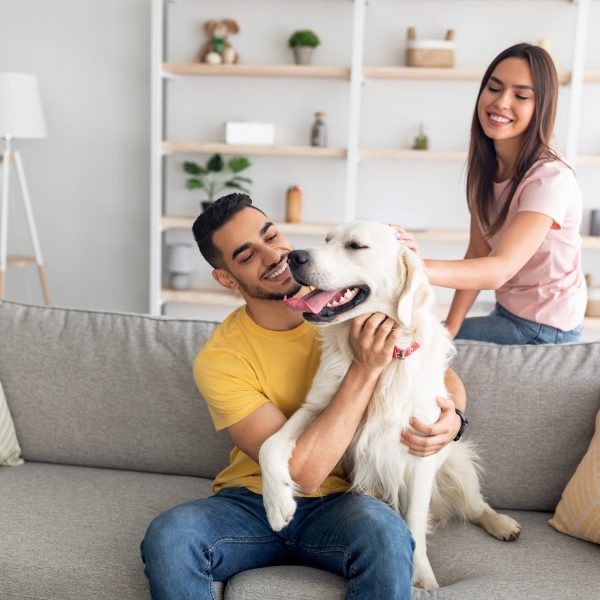
When you bring home a new dog, it’s an exciting time. However, it’s also a very big responsibility, which can feel overwhelming, especially if you’re the only one in the home. Having a support system in place for your dog can help you feel less overwhelmed and ensure your dog has a solid care team. Here’s how to create a support system for your dog:
- Create your dog’s core care team.
- Have backup care options.
- Create a consistent routine.
- Give them a quiet place to rest.
1. Create Your Dog’s Core Care Team
Adding a dog to your life can be extremely rewarding, but it’s also a big, long-term commitment. Building a support system for your dog can help relieve some stress and create stability for your dog. Dogs thrive in an environment with consistency and structure.
Not having this structure may be one of the ways you’re annoying your dog. In order to create a core support system for your dog, you need to figure out who your dog’s core care team is. Then, you can figure out other individuals who also play a part.
Members of Your Household
Anyone who lives in your home with your dog is just as important as you are in helping your dog thrive. These people can include significant others, roommates, and children. Before bringing a new dog home, you need to have a conversation with anyone living in your home to make sure they are willing to be a part of your dog’s support system. Don’t go into this just expecting people to help out. Everyone needs to be ready to be a dog owner when you add a dog to your family.
Veterinarian
Choosing the right veterinarian that you trust isn’t just important for medical care; it’s important for support, too. While your veterinarian will take care of regular medical care such as vaccinations and wellness exams, they can also offer advice on your dog’s behavior, nutrition, and general care.
You may also want to do some research and find a local pet emergency hospital for things that arise after hours. This is another area that you can consult your veterinarian on. They may even know staff at a local pet emergency hospital personally.
Dog Trainer or Behaviorist
While it’s important to work on basic training at home, group training classes can be really helpful, especially for puppies. Puppy training classes not only help teach your puppy basic commands, but they also help your dog learn to interact with other dogs, humans, and new situations. This is one of the biggest benefits of puppy training classes.
However, another benefit of enrolling in puppy training classes is that you can ask the instructor any questions about training or your puppy’s behavior that might come up. And if you run into a bigger issue or behavior problems that are more complex, they may be able to recommend a behaviorist or another trainer that you might consider working with. The earlier you address small issues, the less likely they are to develop into big problems.
Dog Groomer
For a lot of dogs, most basic grooming can be managed at home with a few useful dog grooming tips. Many dogs also need professional grooming throughout the year. And, if your dog has a unique coat type, you may want to consider taking your dog to a professional groomer.
Groomers are trained to take care of many different dog coat types and can also do specialized haircuts if your dog requires them. They can also handle nail trimming if you face challenges with your dog.
2. Have Backup Care Options
You also need to have people in place in case there’s an emergency, and you cannot care for your dog. There should be a trusted friend, family member, or even neighbor with whom you have a written agreement, who will care for your dog. This is especially important in the case of an unexpected hospitalization or other circumstance in which you cannot care for your dog.
You also should have backup caretakers in case you need to travel or your work schedule changes. This could mean hiring a dog walker if you work long hours or finding a pet sitter or doggy daycare for your dog. You may also want to check out a boarding facility if boarding your dog is a necessary option.
Dog Walkers
Exercise is so important for a dog. Not only is it essential for health, but it also allows them to burn off extra energy, meaning you are more likely to come home to a happy and relaxed dog. If your dog is destructive while you’re gone, this can be a sign your dog isn’t getting enough exercise.
If you find that your work schedule doesn’t allow you to provide proper exercise for your dog during the day, you may want to consider hiring a dog walker. This ensures your dog gets the proper amount of exercise that they need for their well-being.
You can choose how often a dog walker comes to exercise and walk your dog. Maybe you have a hard time getting your dog out for a good walk in the morning, so you may want to hire a dog walker to come after you leave for work. If you tend to work late into the evening, hire a dog walker to walk your dog in the late afternoon or early evening.
If you’re not sure where to begin in finding a dog worker, don’t be afraid to reach out to your veterinarian. They may have connections or can direct you to an agency. You should also ask any friends of yours who have a dog and use a dog walker. Neighborhood online groups are also another great resource when it comes to finding reliable dog walkers.
Before you hire your dog sitter, you should prepare your dog for a dog walker. Making sure your dog is properly socialized and knows how to behave on walks is a good place to start.
Pet Sitters or Boarding Facilities
If you need to travel for work or simply for a vacation, it can be really hard to leave your dog behind. However, making sure you have a reliable dog sitter or boarding facility can make leaving a little bit easier. Deciding which one to use will depend on your dog. If your dog loves being around other dogs and people, a boarding facility could be a lot of fun for them.
Be sure to research any boarding facility you’re considering. Ask if you can come and visit to see what it’s like and meet some staff. Read online reviews and ask around to find out how other pet parents have experienced the particular boarding facility. These are all important dog boarding tips to keep in mind as you try to pick the right facility for your dog.
If your dog is more of a homebody or tends to be shy, having a pet sitter who checks in on them a few times a day or stays with them while you’re gone might be a better choice for your dog. There are plenty of online resources to help pick a dog sitter, or you can ask friends and relatives if they have had any experiences with pet sitters.
Make sure that your dog can meet the pet sitter before you leave on your trip. Be sure to use plenty of positive reinforcement when they meet the pet sitter, so they already have positive feelings towards them when they come check on them when you’re gone.
By doing all this research before you actually need it, you can help eliminate a lot of stress, especially if something comes up unexpectedly. Knowing you have one or two reliable dog walkers or pet sitters that your dog knows and trusts can make traveling or working longer hours easier on you and your dog.
3. Create a Consistent Routine
Dogs thrive on consistency and routine, so try to do your best to create a good daily routine for your dog. This is one of the best ways to have a good support system for your dog because they will know what to expect, which can alleviate some anxiety.
Dogs that know when they’re going to be fed, get walked or have other exercise, and have predictable potty breaks are a lot more relaxed and well-behaved. Of course, some dogs will still have anxiety issues, and if that’s the case, you may need to speak to your veterinarian or a behaviorist for solutions.
Allow For Some Flexibility
It’s also important to remember that even though dogs thrive on routine, flexibility is still a good thing! In fact, too rigid a routine can actually make your dog more anxious in the long run. Rather than always taking your dog out at exactly 7 AM, build it into the routine that they go out for a potty break either before or after they get breakfast. Then, it might be time to go on a walk or have other exercise time. While dogs have a sense of time, they still can’t read a clock, so they learn that one activity leads to another, rather than a set time.
Use Automatic Feeders For Supplementary Backup
If your work schedule or other obligations make it hard to stick to a specific feeding time and you don’t have a dog sitter, consider setting up a feeding station for your dog with an automatic feeder. These feeders can be programmed to dispense a set amount of food at a specific time. That way, your dog knows that they’ll always be fed even if you’re not home.
Add Exercise and Playtime Throughout the Day
Be sure to build plenty of exercise and playtime into your dog’s daily routine. A dog that is well exercised and has plenty of mental stimulation will be a lot happier. If you’re looking for a variety of activities, there are lots of ways to exercise with your dog beyond going on walks. If you can’t walk your dog or engage in plenty of playtime throughout the day, you might want to consider either doggy daycare or hiring a pet sitter or dog walker.
Make Time For Training and Practicing Commands
Also, taking time to do some training and review basic commands during the day can help your dog stay consistent with behavior. This is something anyone in your dog’s support system can help with, especially family members, dog walkers, or pet sitters. This not only gives your dog some mental stimulation, but also offers them some consistency when it comes to keeping up with those learned skills and commands.
4. Give Them a Quiet Spot to Rest
Even in the wild, dogs make nests where they can hide from predators and get some much-needed rest. Even though domesticated dogs are lucky enough to live in warm houses, dogs need a quiet or safe space to rest and decompress throughout the day.
This safe place can be a quiet corner of your home, their crate, or even an unused closet. If you use an unused closet, be sure to either take the doors off or make sure they cannot close fully, so your dog does not get trapped inside. This spot should be a cozy place where your dog feels safe and happy.
Make sure to have a few of their favorite toys, as well as cozy bedding. If your dog struggles with anxiety or gets overstimulated easily, you may want to try a sound machine for white noise. This can help block out anything that might make anxiety or overstimulation worse. This is also a great way to help calm your dog during a storm or fireworks.
This is just an overview of how to create a support system for your dog. Having a support system in place is essential in providing stability and consistency for your dog. Remember, dogs thrive best when they have a reliable schedule and people to rely on!