
8 Facts About Corgis
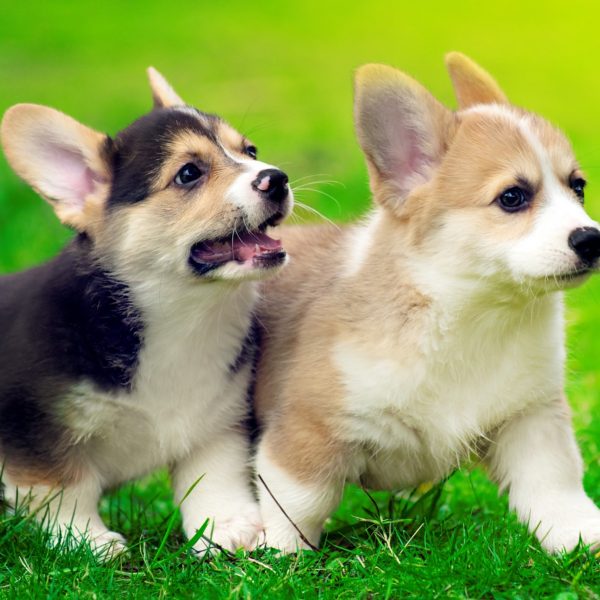
Corgis are small dogs with big personalities that tend to charm the pants off of everyone they meet. They tend to make great family pets and keep their families entertained with their cheery disposition and comedic antics. Here are a few more facts about Corgis:
- There is more than one type of Corgi.
- Their name means “Dwarf Dog.”
- Corgis are herding dogs.
- They have a signature smile.
- Corgis tend to have a loud bark.
- These dogs will shed.
- Their coat needs to be completely dry before brushing.
- Corgis are sometimes considered “Enchanted Dogs.”
1. There is More Than One Type of Corgi
Because they are an adorable and well-rounded dog breed, the Corgi, or Welsh Corgi, is becoming more popular in mixed or designer dog breeds.
Outside of mixed breeds, there are two recognized breeds of Corgi – the Pembroke Welsh Corgi and the Cardigan Welsh Corgi.
Although these two breeds are close cousins, they are considered two separate and distinct breeds. The American Kennel Club recognized the two separate Corgi breeds in 1935.
Differences Between Cardigan and Pembroke Welsh Corgis
Here are some general differences between Cardigan and Pembroke Welsh Corgis:
- The Cardigan Welsh Corgi is an older dog breed.
- The Pembroke Welsh Corgi is more popular.
- Pembroke Welsh Corgis tend to have bobbed tails.
- The Pembroke Welsh Corgi tends to be slightly smaller.
- Cardigan Welsh Corgis have larger ears.
- Cardigan Welsh Corgis tend to have more rounded ears.
The Cardigan Welsh Corgi is older than the Pembroke Welsh Corgi. While the Cardigan goes back as far as 1200 B.C., the Pembroke is dated around the 1100s. Despite being the newer Corgi breed, the Pembroke Welsh Corgi is more popular than the Cardigan, especially in the U.S. Pembroke Welsh Corgis tend to have bobbed tails, while Cardigan Welsh Corgis tend to have longer, full-length tails.
Pembroke Corgis can be born with naturally occurring bobbed tails, while others are docked. The Pembroke also tends to be slightly smaller than the Cardigan. In addition to a slightly heavier, sturdier frame, Cardigan Welsh Corgis also have larger ears than the Pembroke, and the tips of their ears tend to be more rounded.
2. Their Name Means “Dwarf Dog”
In the Welsh language, “corgi” roughly translates to “dog” and has colloquially taken on the meaning of “dwarf dog”, which is a fitting name for one of the smallest members of the Herding Group.
Corgis are known for their short legs, waddle-type walk, and small stature, and are beloved for their charming personalities. People are obsessed with Corgis! These dogs have reached social media fame overall, and some individual Corgis have huge follower counts. This breed has gained a reputation for being fun dogs that may be short in height, but are certainly not short on personality.
3. Corgis Are Herding Dogs
Corgis are herding dogs with a long history of driving cattle by nipping at their heels. They are built specifically to be low enough to the ground to nip at the heels of cattle while also being able to avoid getting kicked. This is one of the reasons they are one of the best dog breeds for farms.
Cardigan Welsh Corgi
The Cardigan Welsh Corgi is one of the oldest of all the British dog breeds. Historians estimate they came to Wales during the mass Celtic migrations from Central Europe to Britain about 3,000 years ago and centered in Cardiganshire.
In addition to their herding skills, Cardis were also commonly found working as hunting dogs, all-purpose farm dogs, and farm and family protectors. This can make them an unconventional hunting dog in modern times, but one that should not be overlooked.
Pembroke Welsh Corgi
The Pembroke Welsh Corgi originated in Pembrokeshire. They were brought into the area by Flemish weavers that Henry I of Britain invited to live and work in the area in 1107.
In addition to their craft, they also brought the short-legged herding dogs that would become the foundation for the modern Pembroke Welsh Corgi. Pembrokes were also often used for herding cattle and sheep, and they also used the nipping technique common to heelers.
Corgi Herding Behavior at Home
Due to this herding instinct, Corgis can sometimes attempt to herd other pets, family members, and children. They may not be as well-known for it as Border Collies, but this behavior can still occur, especially if dogs get bored or do not get enough exercise.
They may nip at heels in order to herd and direct the flow of people, which can make them a better fit for families with older children who are not as likely to be thrown off balance by the playful behavior. It’s important to acknowledge this instinct and manage it early on with training and socialization so it does not grow into a behavioral issue.
As with any working dog, Corgis need a job to do and, without one, they may decide to make it their job to herd their families. Similar to managing prey drive in dogs, you can also work with your Corgi early to redirect herding behavior into more appropriate, positive channels.
4. They Have a Signature Smile
Another reason Corgis are popular is that they have a signature “smile,” in addition to fantastic temperaments and personalities. When they are relaxed and happy, their mouths turn up in the corners and look like they have a gentle, adorable smile. Similar to the Samoyed, the “Smiling Sammy,” the Corgi also has a smile that will brighten almost anyone’s day.
5. Corgis Tend to Have a Loud Bark
Although Corgis are smaller dogs, they tend to have a loud, “big dog” bark. This makes them good watchdogs, but can also make them prone to barking a lot if you don’t work with them on it early on. Training your dog to stop barking on command or when redirected early on, in addition to ongoing socialization, can keep their vocal performance to alert barking and keep it from becoming a nuisance.
6. These Dogs Will Shed
Corgis have water-resistant double coats, which means they are heavy shedders, especially when they shed their undercoat as seasons change. Although brushing a couple of times a week is sufficient, brushing your Corgi every day, especially during seasonal shedding, is better.
This can help remove loose fur and keep it contained to your dog grooming brushes instead of all over the house. A grooming glove and pin brush that will help you get down into the undercoat are good grooming brushes to have on hand. Careful use of an undercoat rake can also be helpful, provided you do not strip too much from the undercoat or damage the top coat.
7. Their Coat Needs to Be Completely Dry Before Brushing
A bath can also be helpful to help loosen up shedding fur. However, your Corgi’s coat must be completely dry before you brush them. Otherwise, you could damage their coat and irritate their skin. Plus, brushing wet fur is prone to causing clumps and tangles, which also increases the chance of painful matting.
8. Corgis Are Sometimes Considered “Enchanted Dogs”
Did you know that Corgis appear in Welsh legends? This is why they are sometimes considered “Enchanted Dogs.” Per Welsh folklore, Corgis were beloved by faeries and often served as noble steeds for them. In addition to riding Corgis around for transportation or into battle, Corgis were also said to herd cattle for fairy farmers and pull fairy coaches, as horses did for carriages in the human realm.
Is a Corgi Puppy Right For You?
These are just a few facts about Corgis. A Corgi is a fantastic addition to an active family, whether single owners or big families, who can make them an involved member of the family and give them plenty of love and attention.
If you think this dog breed could be the one for you, learn more about them, and then check out the available Pembroke Welsh Corgi puppies. Who knows? You could end up finding your new best friend and the perfect addition to your family!