
How to Prepare Your Dog For the Back-to-School Transition
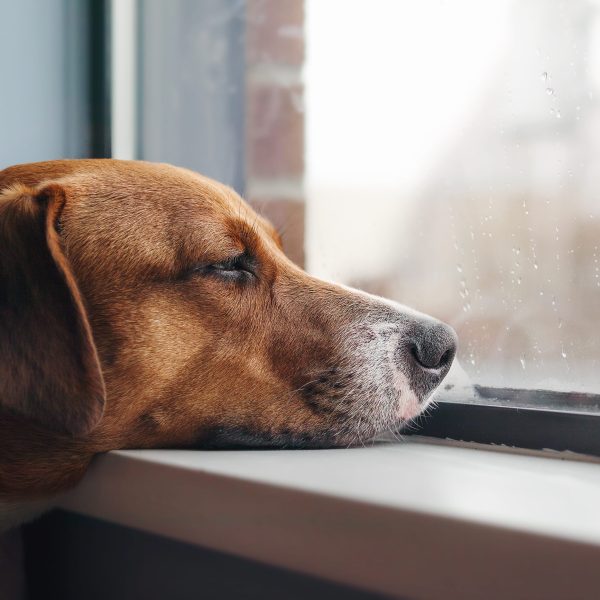
If you have kids, you’re probably aware of the big transition between summer break and back to school. However, this transition might be affecting your dog more than you realize. Dogs love routine, and when that’s disrupted, it can be hard on them. Here’s how to prepare your dog for the back-to-school transition:
- Work on a routine.
- Create a quiet rest spot.
- Help manage boredom.
- Keep departures calm.
1. Work on a Routine
Dogs thrive on a routine. They like knowing when something is happening or when they get fed. So any disruption to this routine can make them feel anxious or stressed out. If your dog doesn’t have a routine already, you should create a good daily routine for your dog.
If your dog has a routine but it’s changed while your children are home for the summer, you should start to gradually shift their routine so they are prepared when kids go back to school. This might look like adjusting their feeding schedules to be a little bit earlier or later, depending on school schedules.
You may also want to adjust any playtime or walks. If your children get picked up at a bus stop, you may want to schedule a walk right after pickup if possible. Not only does this help distract your dog, but regular exercise is really important. Plus, it gives them something to look forward to after the kids get on the bus!
2. Create a Quiet Rest Spot
Creating a comfy and quiet resting spot for your dog can help them adjust to the back-to-school transition. This area can be an easily accessible closet (make sure they can’t get closed in by accident), their crate, or even just a quiet corner of your home. Make sure this area has a cozy blanket, a favorite toy, or even an item of clothing that smells like you or another one of their favorite people in the home.
Sometimes, using a white noise machine or calming music can help provide background noise to help your dog relax. Some owners even find that their dog enjoys having the television on at a low volume. This is also a great way to help calm a dog during a storm or fireworks.
3. Help Manage Boredom
A bored dog is much more likely to get into trouble or become anxious over a new change in the home, such as some of their housemates going back to school. One of the best ways to keep your dog from getting bored is to make sure that your dog has plenty of exercise. It might be helpful to extend a dog’s walk to be a little bit longer or make playtime at a dog park more frequent. However, there are other things you can do to help them stay busy and mentally stimulated.
Puzzle games are a great way for dogs to stay busy and out of trouble. These interactive toys can keep a dog occupied, which is great if they’re used to playing with kids during the day. There are also some great indoor scent games that your dog can try. Sniffing is really important for dogs, and these games allow them to use their nose while getting some necessary mental stimulation.
If you’re still home with your dog or if you have a dog sitter stopping in during the day, consider incorporating some short training sessions into your dog’s routine. This helps develop a bond between your dog and you, and it’s great for mental stimulation. Even going over really basic commands is a great way to keep your dog sharp!
4. Keep Departures Calm
Dogs are good at social referencing, smart, and perceptive. They will pick up on the smallest hint that something is happening. This can be something like your kids picking up their backpack and putting on shoes or you getting the keys to take your children to school. This can trigger anxiety or excited behavior, making mornings hectic and chaotic.
Try to have a system in place so that your dog doesn’t react as much every time you need to leave. Sometimes, it’s helpful to switch up certain behaviors or activities so your dog doesn’t pick up on things.
Another helpful option is to distract your dog right before you need to leave. Offering them a special treat or toy can help them associate you leaving with getting something fun. Having a toy they only get when you leave the house can help make these departures go much more smoothly.
This is just an overview of how to prepare your dog for the back-to-school transition. For some dogs, this transition might come pretty easily. For others, they might need a lot more time to adjust. If you encounter any challenges, consider talking to a dog behaviorist or your veterinarian for ideas. They can help you approach the situation from a different perspective and help you find a routine that works for you, your dog, and your family!