
How to Teach an Old Dog New Tricks
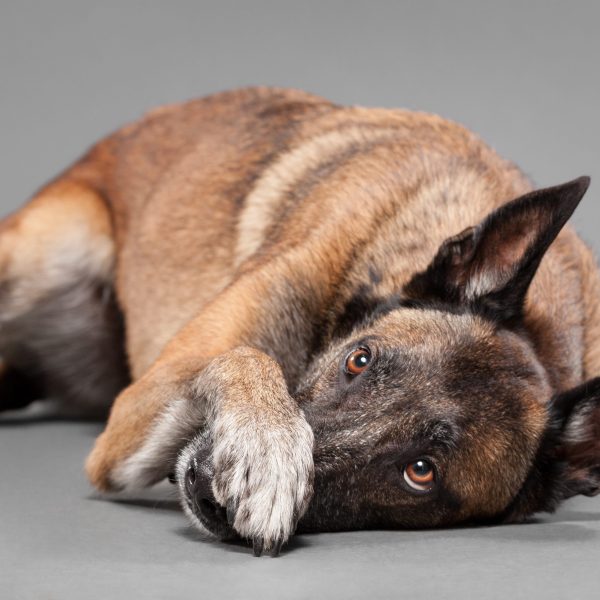
“You can’t teach an old dog new tricks” is a long-running cliche. But is it true? Not really. Here’s what to consider, some tips for how to teach an old dog new tricks, and some tricks you can teach a senior dog:
Can You Teach an Old Dog New Tricks?
Yes, you can teach an old dog new tricks. Senior dogs may have routines in place and established behaviors that might be more difficult to change, but they are more than capable of learning new things. Senior dogs are sometimes even better at staying engaged and focused during training sessions than puppies.
Why You Should Keep Teaching Your Dog New Things
Training doesn’t stop once your puppy grows into an adult dog. It’s important to keep training and socializing your dog. Here are several benefits and reasons why you should keep teaching your dog new things:
- Training and socialization should be consistent and ongoing.
- Learning new things provides mental stimulation.
- It keeps a dog’s mind engaged and sharp as they age.
- Teaching them new things strengthens your bond with your dog.
- Ongoing learning keeps your dog from getting bored.
- It allows you to address any behavior changes.
7 Tips For Teaching an Old Dog New Tricks
There may be some considerations or modifications you have to keep in mind for senior dogs, depending on the dog and the activities you want to do. However, older dogs often thrive when learning new things.
Because they are more mature and have more control over themselves, you may even find them easier to train now than when they were puppies! Here are some tips for teaching an old dog new tricks:
- Visit the vet before doing something new.
- Keep your dog’s limitations in mind.
- Be gentle with older dogs.
- Work in shorter sessions.
- Use your dog’s favorite things as rewards.
- Start with what they know and layer on top of it.
- Regularly revisit training and practice tricks.
1. Visit the Vet Before Doing Something New
No matter your dog’s age, it’s a good idea to visit the vet for a check-up and have your dog cleared before jumping into new physical activities. Every dog is different, and it’s important to make sure that your dog can handle what you want to try and that you won’t injure your dog by doing something they shouldn’t be doing or jumping into something too fast for them.
Plus, if your senior dog does have anything going on that you need to be aware of, your vet will be a good resource for figuring out how best to approach new activities to keep them safe. You may want to take your dog for a check-up and ask your vet for advice on how to best keep him safe if you are trying new activities with him. They’ll also be able to offer advice on any modifications that might make things better for your dog.
2. Keep Your Dog’s Limitations in Mind
Even if your senior dog is healthy overall, they could have a little bit of arthritis or some other problem common to older pooches. Stiff joints can often be a sign of arthritis in dogs. Does your dog have any hearing issues? Visual impairment? Joint pain?
Limitations won’t prevent you from being able to teach your dog new tricks or behaviors, but they may require that you find alternate ways to teach them. This could just mean making some modifications to some activities. If you’re not sure how to adapt to your dog’s abilities, you may want to consult a professional trainer for ideas.
3. Be Gentle With Older Dogs
A good general rule with older dogs is that you should just be gentle with them! For example, if your dog has dental issues and a sensitive mouth, avoid putting them in a situation where they may aggravate the problem, such as having them catch or carry a hard, heavy toy.
Some older dogs may still act like puppies, but you still want to take a gentle approach when introducing them to new activities. Start slow and ease into it. This will give both of you time to see if the activity is a good fit and that your dog is handling it well before really diving in. If your vet has cleared them for it, this is a good approach to take when training your dog in a new dog sport, like agility, dock diving, or something else.
4. Work in Shorter Sessions
Older dogs may sometimes be able to focus better than puppies, but you probably still want to work in shorter, focused training sessions to prevent fatigue. Working in short bursts is a way to safely exercise brachycephalic dogs, and it’s something you can apply to training dogs, too. Often, short, frequent sessions allow dogs to learn new things quickly without getting bored or fatigued better than longer, more sporadic sessions.
5. Use Your Dog’s Favorite Things as Rewards
One of the advantages of teaching your senior dog new tricks is that you already know how they learn best and what rewards they respond to the best. You know your dog’s favorite toys, treats, activities, praise, etc.
Whatever words your dog loves to hear or things you know they love receiving, use those things as rewards for learning new things. You can bet they’ll be even more motivated and excited to try and learn something new when they know their favorite things will be involved.
6. Start With What They Know and Layer on Top of It
Using similar commands for different things can be one of the ways you’re confusing your dog, but that doesn’t mean that you can’t build off of what your dog already knows. Senior dogs have a lot of established behaviors and may already know a lot of commands and tricks.
Starting with what they already know as a foundation and layering on top of it to teach them something new can be a great approach. For example, if they already know something like “touch,” you can probably easily expand into teaching your dog nose targeting, which can open up possibilities for a lot of other new tricks, too.
7. Regularly Revisit Training and Practice New Tricks
Even after dogs have mastered basic commands, it’s a good idea to revisit training and practice to make sure that mastery sticks. Just like building a new habit, teaching your dog new tricks requires consistency and practice.
Consistently building the association between the new command and the expected behavior can help your dog recognize, practice, and learn the new trick more effectively. Once they have it down, you can occasionally review training around the new trick to practice it with your dog, establish it as a habit for them, and ensure it sticks.
5 Tricks You Can Teach a Senior Dog
Think you can’t teach an old dog new tricks? Wrong! There are tons of tricks that are great to teach older dogs. The ones that make the most sense will depend on your dog, what they can do, and what they like. Here are some tricks you can teach a senior dog to inspire you:
- Practice standard commands.
- Teach them to yawn on command.
- Train your senior dog to ring a bell to go outside.
- Have them clean up their toys.
- Teach your dog to retrieve specific items.
1. Practice Standard Commands
Regular basic commands like sit, down, and come are easy to teach older dogs. A technique that usually works is to get the dog to perform the trick using a small treat. If your dog doesn’t really care about treats, gently put them in the proper position and then praise them highly. Repeat this until it sticks. A few “lessons” per day for a couple of weeks should do it. Training is essentially helping a dog form a habit, and it takes about that long for a habit to form.
2. Teach Them to Yawn on Command
Teaching your dog to yawn on command is pretty simple and makes for an adorable parlor trick. When your dog yawns naturally, give them a small treat or praise them. Clicker training can also be helpful in this effort.
You can also use words to reinforce the behavior, in combination with the reward. You can really apply this treatment to any desired behavior: just meet the behavior with a cue and a reward; eventually, your dog will learn to repeat it.
3. Train Your Senior Dog to Ring a Bell to Go Outside
This one sounds rather sophisticated, but it’s totally doable! “Jingle bells” on a strip of leather would work well for this behavior. Start by rewarding your dog for ringing the bell. Then, position the bell by the door so that your pup learns to associate it with going outside.
Incorporate the bell whenever your doggie has to go out and continue this for weeks. Soon, your pup will be able to let you know exactly when they need to go out! If you teach your dog this trick, just make sure not to get a bell that’s too loud and obnoxious. Also, make sure your dog is good at picking up on nuance; otherwise, they may ring the bell all the time just to go outside, whether they need to go to the bathroom or not!
4. Have Them Clean Up Their Toys
You can also train your dog to do things that are helpful to you as you both age together. Cleaning up their toys is a great trick for any dog, and especially for retrievers that tend to enjoy carrying things.
If your dog already knows how to fetch, you can probably use that as a foundation for teaching them to pick up their toys and place them in a container. Depending on your dog, how quickly they pick up on things, and what they already know, you may need to teach this trick in stages. You want your dog to learn that they need to pick up/retrieve, carry to a specific area, and place in a specific thing in response to a single command like “clean up” or “put your toys away.”
5. Teach Your Dog to Retrieve Specific Items
Another trick that can be a good fit for older dogs is to retrieve specific items for you. Provided your dog’s mouth and teeth are still in good shape, and they don’t have any soreness or sensitivity there, you can train your older dog to bring you a light blanket, fetch you a hat before you leave for a walk with them, and more.
Some dogs can even be trained to open up the refrigerator and bring someone a drink! With this trick, you do want to keep any past training you’ve done to reduce, change, or redirect a behavior. Make sure you’re not inadvertently encouraging your dog to pick up undesirable behaviors that you have worked hard to correct over the years.
If your dog is a chewer and you’ve had to do a lot of work with them to keep your dog from chewing on furniture or shoes, you may not want to try to train them to put their mouth anywhere near your shoes. If they tend to act like a bottomless pit with no control around food, you may not want to teach them how to open doors or access the fridge. Similarly, if you’ve had to work with your dog on stealing things, burying items, or hiding them, this trick may not be a good fit. Can you imagine trying to train your dog to retrieve your keys, and then they hide them or bury them instead?
Senior Dogs Can Learn New Tricks, Within Reason
One of the common dog myths is that old dogs can’t learn new tricks. They can! You may need to keep some things in mind for specific dogs, and some dogs may need modifications, but there are still useful things to teach a senior dog.
Plus, there are plenty of other tricks to teach your dog that you can try with your senior pup. Keeping them active, physically and mentally, can help your senior pup age well and may even give them the energy to act like a puppy again every now and then.