
Service Dogs For PTSD and Anxiety
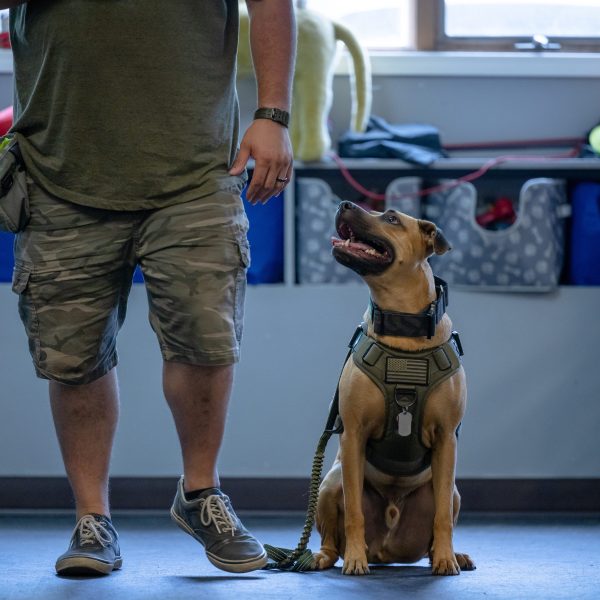
Symptoms of post-traumatic stress disorder (PTSD) and anxiety can be debilitating, especially when someone is still managing responses and developing techniques to help them manage and regulate. Service dogs for PTSD and anxiety can provide invaluable support to reduce the severity of symptoms, improve sleep, improve overall health, increase independence, and improve quality of life. Here’s what to know about service dogs for PTSD and anxiety:
How PTSD and Anxiety Affect Us
The role of dogs in therapy is well-known. Many times, you can see a therapy dog in a hospital room being petted by the occupant, their face lighting up and their day made generally better by the carefully trained, specially-chosen dog. Dogs aren’t just helpful for those suffering from physical ailments. We know that they can help alert and manage symptoms for a variety of conditions, including helping those suffering from mental ailments make progress in their own recovery.
What is PTSD?
To understand how dogs can help, it is important to understand just what post-traumatic stress disorder, or PTSD, is and how it can affect us. Generally speaking, PTSD is an anxiety disorder that typically occurs after a person has been through an extremely traumatic event, one in which they believe their own life or the lives of others are in danger.
Fear, a lack of control, and other high-anxiety emotions flood the nervous system, leaving a lasting impact on someone’s mental makeup. Combat is often the cause of this in veterans, but you don’t have to be a vet to have PTSD; abuse, assault, accidents, and natural disasters can all lead to PTSD or anxiety in an individual. Feelings of anger, fear, and confusion can persist long after the event, making it difficult to reintegrate into a normal way of life.
Symptoms of PTSD often include:
- Severe anxiety
- Flashbacks
- Nightmares
- Avoidance
- Mood changes
- Memory problems
- And more
How Service Dogs Can Help With PTSD and Anxiety
There is a big difference between service dogs, therapy dogs, and emotional support dogs. Service dogs for PTSD and anxiety are specially trained to work with individuals suffering from them and perform specific tasks.
They can provide help during a medical emergency, including treatment-related assistance. They can help those suffering from PTSD deal with the emotional stress they face on a regular basis, which is incredibly important in the recovery process. Dogs can smell things humans can’t, which often allows them to detect early warning signs and take proactive actions to help their handlers.
Service dogs can be trained to help people cope with PTSD and anxiety by:
- Recognizing signs of panic attacks or flashbacks and interrupting the episode to prevent it from occurring or disrupting it to help stop it sooner.
- Lying on people or leaning into them to provide Deep Pressure Therapy (DPT) for grounding.
- Moving to create a physical barrier to block or shield their handler from triggers in anxiety-inducing environments.
- Detecting scents associated with chemical changes that occur during flashbacks or nightmares and providing comfort or waking their handler up to prevent and reduce panic.
- Scanning or sweeping a room to reassure a hypervigilant handler.
7 Best Service Dog Breeds For PTSD and Anxiety
Although many dog breeds can make great service dogs, the best breeds will depend on what dogs need to be trained to do and what they need to be able to do to best help their handler. For PTSD and anxiety, larger breeds with the right temperament tend to be more common as they have the weight and size necessary for grounding, shielding, mobility assistance, and more.
Some of the best service dog breeds for PTSD and anxiety include:
- Golden Retrievers
- Labrador Retrievers
- Standard Poodles
- German Shepherds
- Great Danes
- Bernese Mountain Dogs
- Boxers
Other dog breeds can make great service dogs for PTSD and anxiety, but these tend to be some of the most common. If the needed tasks are more related to alerting and providing companionship, there are several smaller dog breeds and dog breeds aside from those listed above that can be a good fit. It truly depends on what an individual needs from a service dog and what dog is going to have the right size, temperament, and trainability to perform best.
How to Get a Service Dog For PTSD and Anxiety
Obtaining a service dog for PTSD and anxiety can be a process and can sometimes be a long journey. Although everyone’s journey can look a little different, the process of getting a psychiatric service dog (PSD) does follow a few standard steps, and there are several non-profit organizations that help throughout the process.
- Consult a mental health professional.
- Get a formal diagnosis and a letter of recommendation for a service dog.
- Identify and define specific tasks the service dog will perform to help you.
- Partner with an organization to obtain a service dog.
- Go through training and ensure eligibility, both for applicants and for service dogs.
There are also several requirements for applicants to be eligible for a service dog. They can vary depending on the organization and specific circumstances or tasks. In general, applicants must:
- Have a formal diagnosis.
- Have been actively engaged in therapy for the diagnosis.
- Must have a verifiable medical need for a service dog.
- Must be able to handle a service dog independently.
- Be able to provide proof of financial resources sufficient for taking care of a service dog, including regular veterinary care.
- Be able to demonstrate proficiency in handling a service dog across various environments.
There are a wide variety of non-profit organizations that train and help match service dogs with people who need them. You don’t have to be a veteran to qualify for some of them, but there are several organizations that focus specifically on service dogs for veterans that can assist anyone who has served and is interested in starting the process of getting a service dog. The National Resource Directory under the Department of Veterans Affairs can be a good place to start for exploring the organizations available to help veterans obtain service dogs.
Service Dogs Make a Big Difference For People With PTSD and Anxiety
Therapy dogs and service dogs are some of the jobs working dogs do. Dogs provide a sense of security and calm for their owner. Additionally, service dogs for PTSD reduce the severity of symptoms, increase independence, and improve sleep, which also helps improve overall health and emotional regulation.
Spending adequate time with a therapy dog or service dog trained to help with PTSD and anxiety can adjust serotonin levels, lower blood pressure, mitigate depression, and more. This can lead to a calmer, happier life, and that’s something everyone wants. We know dogs improve our health in a variety of ways, and they continue to surprise us with how much they can do.