
6 Signs Your Dog is Confident
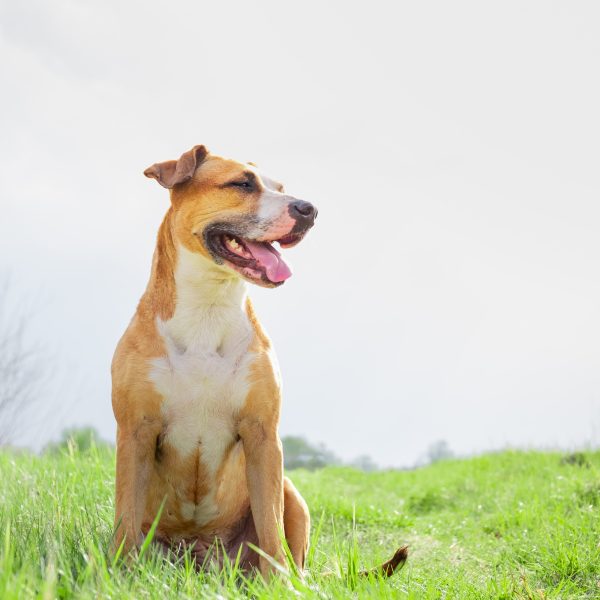
When your dog has plenty of confidence, it means they tend to face new environments or situations in a healthy way, rather than in fear. However, some dogs may need help building their confidence, and sometimes, it might be hard to tell if your dog is confident. Knowing some of the signs your dog is confident can give you some things to look for and help you understand what your dog’s body language and behavior are telling you.
6 Signs Your Dog is Confident
Here are a few signs your dog is confident:
- Your dog has confident body language.
- They exhibit curiosity in new situations.
- Your dog is open and interested when meeting new people.
- They bounce back quickly after being startled.
- Your dog is very playful.
- They play independently sometimes.
1. Your Dog Has Confident Body Language
Because dogs can’t talk, they have to rely on using body language to communicate how they feel. If your dog is feeling confident in a situation, there are a few types of dog body language to know that indicate confidence:
- Proud posture
- Relaxed Tail
- Relaxed Ears
- Soft Eyes
- Relaxed Mouth
Proud Posture
A confident dog will stand tall and proud, but still have a softness to them. This can also be a sign that your dog is happy. You won’t notice any stiffness or straining.
Relaxed Tail
When a dog is confident, their tail will be relaxed. The way their tail looks when they’re confident can vary depending on breed, but it’s important to note that when they’re confident, their tail will not be tucked between their legs or standing tall and stiff, a sign that they are on high alert.
Relaxed Ears
Depending on the kind of ears your dog has, they will look different when they feel confident. If your dog has floppy ears, they should look relaxed with a natural droop. If they are pricked up, it’s in interest and not in stiff alertness. If you have a pricked-ear dog, the ear should be upright with a slight angle forward without rigid stiffness or tenseness.
Soft Eyes
A dog that is confident and relaxed will have soft eyes and not be locked onto a specific potential trigger. They’ll be casually on alert, but not on edge. They may also squint at you, a sign your dog trusts you.
Relaxed Mouth
Another sign your dog is confident is the way their mouth looks. It should be relaxed, and either slightly open or closed. It may even look like your dog is smiling at you!
2. They Exhibit Curiosity in New Situations
The way your dog reacts to new situations is a great way to gauge if they feel confident or not.
Confident Dogs Tend to Be Adaptable and Resilient
A dog that feels confident and self-assured works through challenges and has resiliency after a stressful situation. Of course, that doesn’t mean your dog is going to be excited or love every new situation, but if they feel confident, adapting should come much easier for them.
Their Confidence May Vary Across Situations
It’s important to note that your dog might be confident in some situations but not others. Your dog may love going to new places, but feel some apprehension around new dogs. They may also adjust really well to new dogs, but be wary of people. It’s important to make sure that you can easily intervene to help an anxious dog.
Confident Dogs Tend to Be Curious Instead of Fearful
Certain behaviors will show signs of confidence in your dog. The biggest sign of this confidence is how they react to meeting new people, new dogs, or new situations. A dog that is confident will show signs of curiosity rather than fear or being overly excited.
Of course, showing a little bit of wariness or being a little excited is completely natural. This is why it’s important to be able to read your dog’s body language and remove them from a stressful situation if necessary. Overall, a confident dog will be more curious than a dog that is anxious or scared.
3. Your Dog is Open and Interested When Meeting New People
When a confident dog meets new people, they should exhibit a relaxed body posture and soft eyes. They might want to have a sniff or two and may even wag their tail. They might also do a little bit of wiggle, which can be a reason why dogs shake. If you have visitors drop by your house, a confident dog may alert you to their presence with a bark or two, but will stay relaxed and curiously approach your guests.
4. They Bounce Back Quickly After Being Startled
Another sign of confident behavior can be what happens when your dog hears a loud noise. Sudden or loud noises naturally startle dogs. Well, a confident dog will still be a little bit startled, but they tend to recover much more quickly and may even want to investigate the noise.
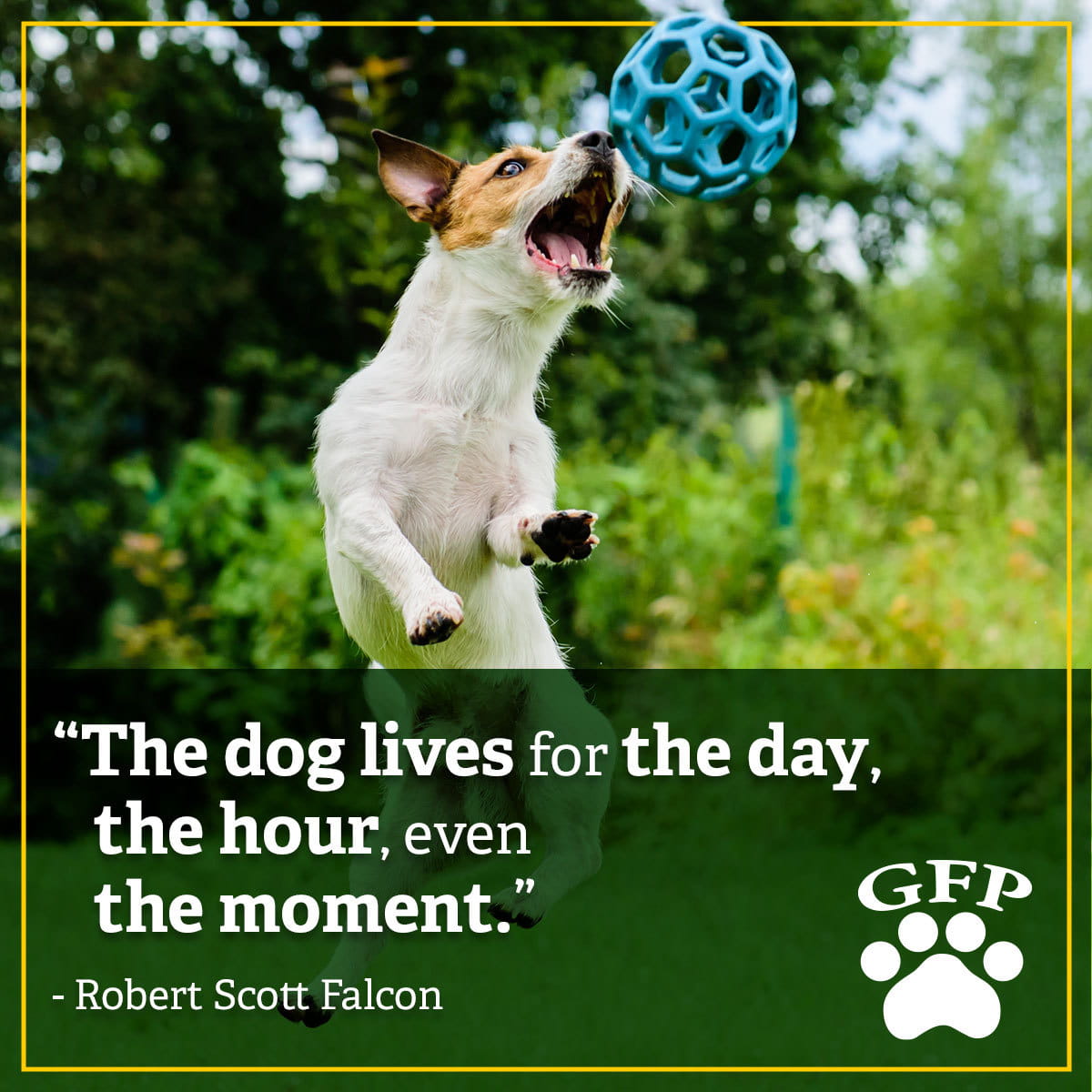
5. Your Dog is Very Playful
A dog that is confident will engage in playful behavior more often than others. They may also exhibit some silliness sometimes, including the zoomies. Zoomies aren’t always an indication that a dog is happy, so be sure to take note of their behavior before and after the zoomies.
Confident dogs can fully relax and enjoy playtime. Confident dogs will also engage in playtime with other dogs and humans. You will notice that they seem to be enjoying themselves while playing.
6. They Play Independently Sometimes
Dogs bond closely with their families and enjoy spending time with them. Confident dogs still love being around their favorite humans, but are also comfortable playing by themselves sometimes or wandering away from you slightly to explore things they find interesting. If you notice your dog playing happily by themselves, it means they’re confident in being alone and finding something to do that doesn’t involve getting into trouble.
They will likely stay nearby, but don’t necessarily need to be attached to you in order to feel comfortable. A confident dog will still check in with you now and then, but it won’t be as frequent because they feel confident in themselves.
4 Ways to Build Your Dog’s Confidence
If you think your dog is struggling with confidence, or you simply want to help boost their confidence a little bit more, here are a few ways to build your dog’s confidence:
- Introduce new environments slowly.
- Facilitate positive meetings with new people.
- Sign up for obedience or training classes.
- Implement enrichment activities.
1. Introduce New Environments Slowly
Slow and steady exposure is one of the best ways to help a dog gain confidence when experiencing new things or environments. Taking things slow allows your dog to adjust to new experiences and doesn’t overwhelm them as much. As they learn to adjust to new environments, they’ll be able to take on more challenging environments. However, it’s important to always be monitoring your dog’s body language for signs of stress or anxiety.
If your dog is anxious, this is a sign you shouldn’t take your dog to a dog park just yet. If you would like to take your dog to a dog park or to an environment that has other dogs, a great way to introduce your dog slowly to this environment is to start with a visit with a friend who has a dog you trust.
Give both dogs plenty of time to observe each other, keeping a close eye on their body language. Keep this visit short and sweet, and repeat if things go well. Letting dogs socialize with one another helps them learn how to interact with other dogs, and it’s just one of the many benefits of dog friendships.
If your dog reacts well to a play date with another dog, try to visit the dog park when it isn’t as busy, if possible. That way, your dog can learn the dog park without being overwhelmed by too many dogs. When a dog is confident in their surroundings, they will be more confident when playing with other dogs. Always stay close by and be on the lookout for any change in body language. Be prepared to get your dog out quickly, in case things get dicey.
2. Facilitate Positive Meetings With New People
It’s important that your dog encounters a variety of people because it helps them learn how to socialize. When dogs are comfortable around people, they will feel confident in their surroundings.
It’s helpful to socialize your dog with people who have experience with dogs. This is a great tip for helping your shy dog adjust to new people. Socializing them with people who understand dogs will go much more smoothly than with someone who doesn’t. Start slowly by inviting a friend or trainer over to your home. This person should initially ignore your dog and let your dog decide when they are ready to investigate.
If your dog shows interest, let your guest offer a treat, being careful not make eye contact. This will establish a positive connection with a new person. If your dog responds, well, you can expand this to other people in your social circle. Just make sure every person is comfortable around dogs, so you don’t make an unnecessarily anxious situation.
Interacting with a variety of different people can go a long way and help your dog feel confident when meeting new people and being in new situations. This can help reduce stress and anxiety and make trips out in public much easier for you and your dog.
3. Sign Up for Obedience or Training Classes
Enrolling your dog in obedience or training classes is an excellent way to help them build confidence. There are puppy training classes available for young dogs, but any dog can start a beginner obedience class. Just look for one that is geared toward all ages rather than just puppies.
These structured training classes are a great opportunity for dogs to learn how to socialize with you, other dogs, and other people, including trainers and other dog owners. If your dog is not quite ready to join a training class, consider working with a trainer alone for a little bit or going over training activities at home. Consistent training or working with a trainer one-on-one can help build your dog’s confidence just enough so they feel more confident in a class environment.
4. Implement Enrichment Activities
To help build your dog’s confidence even more, look for activities that appeal to your dog’s interests or personality. If your dog is a hunting breed, consider looking for activities that let them use this instinct. Agility training is excellent for dogs who love to run and jump. These kinds of activities are perfect for helping your dog build confidence in themselves and in new environments.
Just make sure that your dog is enjoying their experience. If they seem stressed at all, you may want to find a different activity or class that fits your dog’s needs. Having a positive experience in these learning and learning activities is vital in helping your dog build confidence.
These are just a few signs your dog is confident. A confident dog is much more adaptable and easier to train. If you think your dog could use some confidence-building, try implementing more training into their daily routine and other ways to help build your dog’s confidence. You may also see sudden behavior changes in dogs, but this isn’t necessarily a negative. Your dog may simply be adjusting to becoming more confident.