
What to Know About Stroke in Dogs
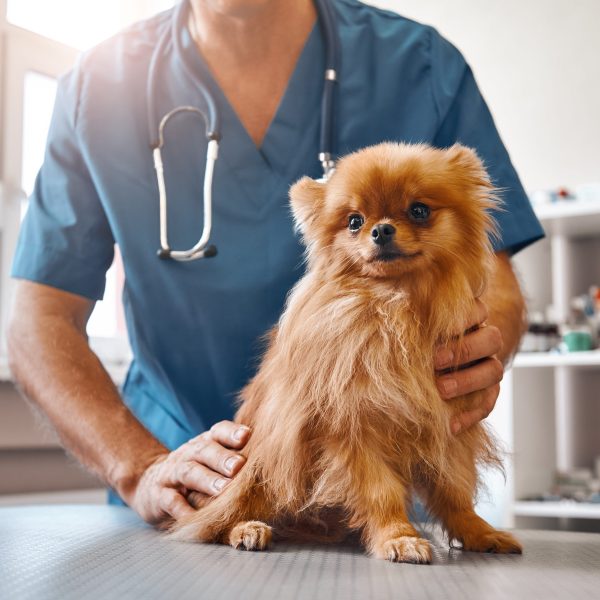
Stroke in dogs can be a serious medical condition that requires swift medical attention. It is sometimes hard to tell what is or isn’t a stroke, so it’s important to be aware of signs and symptoms. Here’s what to know about stroke in dogs:
What Causes Strokes in Dogs?
A stroke, also known as a cerebral vascular accident (CVA), occurs when blood vessels either rupture or become blocked. If these blood vessels or arteries block blood supply in the brain, this can cause a stroke. If the blocked vessel is small, the symptoms and changes might be so minor they’re not recognized. If it’s a large blood vessel or artery, it can mean serious damage to the brain or even death.
Sometimes a blood clot can lodge in a blood vessel in the brain and is known as a thromboembolism or embolism. Strokes also may be caused by thrombocytopenia or a low platelet count. Unfortunately, most causes of stroke are unknown.
Dogs of any age and breed can experience a stroke. However, senior dogs are more likely to be affected due to underlying medical conditions. Certain breeds like Miniature Schnauzers, Greyhounds, and Cavalier King Charles Spaniels seem to have a little bit of an increased risk for stroke.
What Are the Different Types of Strokes in Dogs?
There are two kinds of stroke that can occur in dogs: hemorrhagic and ischemic.
Ischemic Stroke
If a stroke is ischemic, it means that the blood supply to the brain is cut off very quickly. Certain factors, such as tumors, injury, parasites, or blood clots, have somehow cut off oxygen supply to the brain.
Hemorrhagic Stroke
When a dog has a hemorrhagic stroke, it means an artery or blood vessel has become weak or damaged over time. This can lead to bleeding in the area and a change in blood flow. This extra bleeding is what causes localized damage to the brain. Depending on how severe and the location, this extra blood can press on brain tissue, damaging the brain.
What Are the Signs of Stroke in Dogs?
Because the signs and symptoms of stroke can sometimes be so minor, you may miss it. It can also be challenging because some of the signs and symptoms are also similar to other health conditions. Signs of stroke in dogs include:
- Quick onset of a lack of coordination and balance
- Tilting their head or walking in circles
- Strange eye movements
- Trouble standing or walking
- A loss of bodily functions, such as bladder or bowel control
- Paralysis or weakness on only one side of their body
- Confusion or disorientation
- Sudden changes in behavior
- Seizures
- Collapsing
- Blindness
These are signs and symptoms you should never ignore in your dog. If your dog is exhibiting any of these symptoms, call your veterinarian or an emergency vet clinic as soon as possible.
Can a Dog Recover From a Stroke?
Depending on a veterinarian’s intervention, most dogs can recover from a stroke. The quicker you can get your dog to the vet, the better the recovery will be. Recovery time can take a few days up to weeks or even months, depending on how severe the stroke is. Some dogs might have some coordination issues that don’t resolve, but many dogs are able to return to almost normal function with proper treatment.
How is a Stroke Diagnosed in Dogs?
It can be a little tricky to diagnose a stroke in dogs because there are other diseases, such as ataxia in dogs, that can have similar symptoms to a stroke. If your vet thinks your dog is experiencing a stroke, they will run several different tests to determine what’s going on.
Your vet will begin with a physical exam of your dog and then most likely do bloodwork, blood pressure reading, X-rays, and urinalysis. Depending on what the tests reveal, your dog might be referred to a veterinarian neurologist for more advanced testing, such as an MRI.
It’s important to let your veterinarian know what happened during the possible stroke episode. Try to remember if your dog was conscious and seemed alert while it was happening. This can help your veterinarian or veterinary neurologist make a diagnosis and determine treatment.
How is a Stroke in Dogs Treated?
Along with treating a stroke, the cause of the stroke needs to be identified. The underlying cause needs to be treated as well to reduce or stop recurrent stroke episodes. Treatment can be complex, and often there is no guarantee of total success.
IV Fluids & Potential Hospitalization
Sometimes a dog may require intravenous fluids as well as other physical assistance. In these cases, hospitalization might be considered. Your vet may also want to keep them for observation.
Prescribed Medication
In some cases, an anti-clotting medication like clopidogrel may be prescribed in order to prevent further clots from forming. Veterinarians may also prescribe anti-inflammatory medication.
Physical Therapy
Rehabilitation with physical therapy is also an important part of treatment. A dog will go through a series of exercises and activities to help them regain previous strength and any lost mobility. Because strokes can range in severity, the amount of time that physical rehab is necessary can vary.
What is the Prognosis of Stroke in Dogs?
Thankfully, most dogs recover from a stroke with proper care and time. The first 30 days after a stroke are the most crucial, as multiple clots can occur in a short period of time. Death is unfortunately a real possibility for a dog who has had a stroke. Sometimes the damage to the brain is too much. However, if a dog survives past 30 days, their recovery is most likely to continue. Recovery length can vary depending on the severity and can be anywhere from a few weeks to a few months.
While your dog recovers, they might need extra help with basic functions. Your vet can help you figure out ways to best help your dog. Sticking to a routine and having a safe environment will be helpful in your dog’s recovery.
Even after your dog has recovered, they may have some personality changes or mobility issues. Because of this, you may need to help your dog as they adjust to their new way of life. If your dog is having any problems with balance or is experiencing ataxia after a stroke, you may want to consider harnesses and slings to help with bathroom breaks or other mobility needs.
How to Prevent Stroke in Dogs
Unfortunately, there isn’t a guaranteed way to prevent stroke in dogs. However, there are a few things you can do to help keep your dog healthy, which may be helpful in stroke prevention.
- Provide the proper diet and nutrition.
- Give them the exercise and mental stimulation they need.
- Reduce stress and encourage rest.
1. Provide a Proper Diet and Nutrition
One of the most important aspects of your dog’s health is making sure they have a healthy diet. You want to make sure their diet includes plenty of essential nutrients that support brain health. If you’re unclear what a proper nutritional diet looks like for your dog, be sure to talk to your veterinarian. They’ll be able to help you pick the right food for your dog based on size, activity level, and any other factors.
2. Give Them the Exercise and Mental Stimulation They Need
Exercise and mental stimulation are other things that are really important in keeping your dog healthy. There are plenty of ways to exercise with your dog, which can help keep their heart strong and regulate blood pressure. A healthy blood pressure may be able to help prevent stroke in dogs.
Mental stimulation is also really important and can be either separate activities or part of physical exercise. For more low-key mental stimulation, consider indoor scent games, puzzle toys, or working on training.
3. Reduce Stress and Encourage Rest
Stress, especially chronic stress, can have a negative impact on a dog’s health. If you notice any signs that your dog is stressed, it’s really important to make sure that your dog feels safe so they can relax and get the rest they need.
This is just an overview of what to know about stroke in dogs. A stroke can sound like a really scary medical event, but knowing what to do can help. Making sure your dog has quick veterinarian care can do a lot to help your dog recover.