
8 Tips For Training Dogs to Walk in Rain or Snow
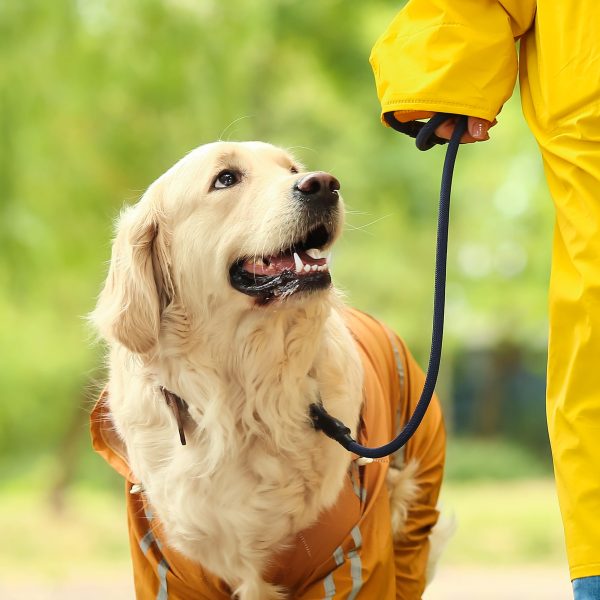
While going on a walk is often the highlight of most dogs’ days, some dogs don’t enjoy going out in the rain or snow. However, daily walks are important for dogs, and it’s a great time to give them some enrichment time. If your dog seems hesitant to walk in weather such as rain or snow, there are some tips you can implement to help improve the experience. Here are a few tips for training dogs to walk in rain or snow.
- Start leash training early.
- Create positive associations with walks.
- Check your own emotions before a walk.
- Make sure to protect your dog.
- Check the weather and time your walks accordingly.
- Keep walks in rain or snow shorter.
- Walk in areas that offer some cover.
- Pay attention to your dog.
1. Start Leash Training Early
A dog that is well leash trained will be a lot more comfortable walking in general than a dog that hasn’t been leash trained. Some of the fundamental tips for leash training your puppy include using positive reinforcement with rewards and mastering cues. While it’s best to leash train a dog as early as possible, it’s also never too late to help your dog learn how to walk with a leash.
Another dog walking tip is to make sure you’re using the right gear. Some dogs do just fine with a regular collar and leash, while others prefer a harness. You also need to make sure that the equipment fits correctly and isn’t digging into your dog’s skin or pulling anywhere. If a dog isn’t comfortable, they are not going to enjoy their walk and might make walking rather difficult.
Take some treats along if you’re in the early stages of leash training. Positive reinforcement is one of the best ways to teach a dog to cooperate and behave while walking with a leash. If you’re struggling with leash training, don’t be afraid to reach out to a dog behaviorist for some tips or targeted training sessions.
2. Create Positive Associations With Walks
No matter what the weather, your dog needs to have positive associations with going out on walks. Dogs shouldn’t be forced out into the weather if they don’t like it, but if they enjoy going on a walk enough, they are more likely to brave the weather.
The best way to help your dog enjoy going out on walks even when it’s raining or snowing is to make sure the walk has a lot of enrichment and feels rewarding to your dog. If your dog is food-motivated, taking plenty of treats along will help them enjoy the walk, even if it’s not the best weather. This will help them stay motivated through the rest of the walk.
3. Check Your Own Emotions Before a Walk
Dogs are good at social referencing and are perceptive, so they can pick up on a change in mood almost immediately. If you don’t want to go out and walk in the rain and snow, your dog will pick up on that attitude. If you’re not excited to go out into the rain, why should your dog be? They might also think that they did something wrong to make you unhappy. This is why it’s important to make sure you check your own emotions and stay regulated.
If you’re not excited to go out in the rain or snow, take a few minutes and do some deep breathing exercises to help center yourself and your emotions. Make sure that when you talk to your dog, you use an upbeat and excited tone. This can help communicate to your dog that it’s gonna be a fun walk even if it’s raining or snowing.
4. Make Sure You Protect Your Dog
A lot of the time, dogs don’t love going out in rain or snow for a walk because it’s not enjoyable physically. It’s cold, it’s wet, and smaller dogs or dogs that don’t have as much body fat can struggle to stay warm. Getting the right dog gear and weather protection, like winter dog products, can go a long way in making walking in inclement weather a lot more enjoyable.
Rain Jacket or Coat
Look for a water-resistant rain jacket that is properly fitted to your dog to protect them from getting wet in the rain or snow. Measure your dog accurately in order to buy the right dog coat for them. When a dog is nice and dry, they’re much more likely to enjoy a walk, even if the weather isn’t the nicest.
Dog Boots
Dog shoes or boots are also important, especially in snow and ice. This is one way to care for your puppy’s paws. These will keep your dog’s paws warm and dry as well as protect them from any potential ice or frozen spots. If your dog doesn’t like wet paws, you can also use these for walking in the rain.
Time to Adjust to New Gear
Make sure you give your dog plenty of time to adjust to using the rain jacket and dog boots. Try introducing your dog to these items at home and having them wear them for short periods of time. Make sure you reward them with a treat while wearing the items. As they get more comfortable, you can keep the items on longer so they are used to them for walks.
Reflective Strips in the Dark
If walking at dusk or night is absolutely necessary, make sure that something of your dog’s clothing has a reflective strip. This is a safety tip for walking your dog in the dark because it makes your dog more visible to other people, animals, and drivers. You should also make sure something on your clothing has a reflective strip to keep both you and your dog safe.
5. Check the Weather and Time Your Walks Accordingly
Make sure that you check the weather before heading out on a walk. Depending on the forecast, you might be lucky and find a period of time when the rain or snow has stopped. If you know there’s going to be a big downpour or intense storm, try to get a walk in earlier in the day. Don’t take your dog out in the middle of a thunderstorm or lightning storm, high winds, or a snowstorm.
You should also make sure that you are aware of the temperature outside. This is an important summer safety tip for dogs during the summer, but it’s something you should be aware of in rainy or snowy weather as well. This might be harder to do with shorter daylight hours, but getting your dog out for a walk during the daytime might be a little bit warmer than at night.
6. Keep Walks in Rain or Snow Shorter
If your dog is really hesitant to walk in the snow or rain, you can try to keep your walks much shorter. Help encourage your dog to stay out a little bit longer by offering a treat or a special toy. However, if your dog has already done their business and wants to go back inside, don’t force them to stay outside.
Getting outside for a walk is a great time for your dog to get some really good enrichment time. Depending on the weather, your dog might not want to stay out very long, so make sure that you have plenty of enrichment time back inside. Try playing some indoor scent games for dogs or other indoor-friendly games.
However, if you have a snow dog breed that absolutely loves the snow, make sure they get plenty of time outside. These dogs are built to withstand colder temperatures and tend to thrive when playing in snow and cold weather.
7. Walk in Areas That Offer Some Cover
Depending on where you live, you might be able to find a walking route that has some cover to keep you and your dog protected from the elements. Look for buildings that have overhangs to keep rain and snow off of you and your dog, or opt for tree-covered areas. While tree-covered areas won’t completely block the elements, they can help mitigate some wind and rain.
Another option is to take your dog to a dog-friendly area, like a pet store or even hardware stores. These are great places to walk your dog during inclement weather. Just make sure that each store is okay with dogs being in the store and that your dog has good indoor and public etiquette. If your dog is well-trained, this can be a really good way to get some extra socialization for your dog, which can help them behave even better in public.
8. Pay Attention to Your Dog
Dogs are really good at reading humans’ emotions, so try to return the favor by understanding different types of dog body language. If you’re getting the message that your dog is unhappy and they want to go back inside, you should respect your dog by listening to them.
Make sure they’ve gone to the bathroom, but don’t force your dog to stay longer than they want. Make sure you can understand the signs of stress or unhappiness. A dog that is stressed in rainy or snowy weather might have a tucked tail, flat ears, or might even be trembling or shaking.
You also shouldn’t force your dog on a walk if they are exhibiting signs of extreme stress. Never drag your dog outside for a walk. This will break trust between you and your dog and can harm your relationship.
These are just a few tips for training your dog to walk in rain or snow. Walking your dog in rain or snow can be fun, but you also shouldn’t force it if your dog seems stressed. Learn to read your dog so you can find the right balance!