
Why Does My Dog Snore?
If your dog snores, you might find it charming most of the time. However, while snoring can be harmless, sometimes it can be a sign of health issues. It can be a little tricky, knowing what’s harmless or when it’s time to call your veterinarian. If you ever have to ask, “Why does my dog snore?”, you might wonder whether it’s normal or if you should be concerned, especially if they don’t normally snore. Here’s what to consider and some reasons why dogs snore to help you figure out why your dog might be snoring and what to do next:
Why Do Dogs Snore?
Snoring often happens when something obstructs or restricts airflow in a dog’s nose or throat. As air passes through their nose, mouth, or throat, the tissues vibrate. This creates the snoring noise. Snoring is more likely to happen if your dog’s airway is narrow due to congestion, inflammation, obstruction, or other issues.
What Causes Snoring in Dogs?
Snoring can be caused by a variety of reasons. Here are some common reasons dogs might be snoring:
- Your dog sleeps in positions that cause snoring.
- They are a flat-faced breed.
- Your dog has an upper respiratory infection.
- Your dog is obese.
- They have allergies.
- Your dog has hypothyroidism.
- There is an obstruction.
- Your dog could have masses or growths.
1. Your Dog Sleeps in Positions That Cause Snoring
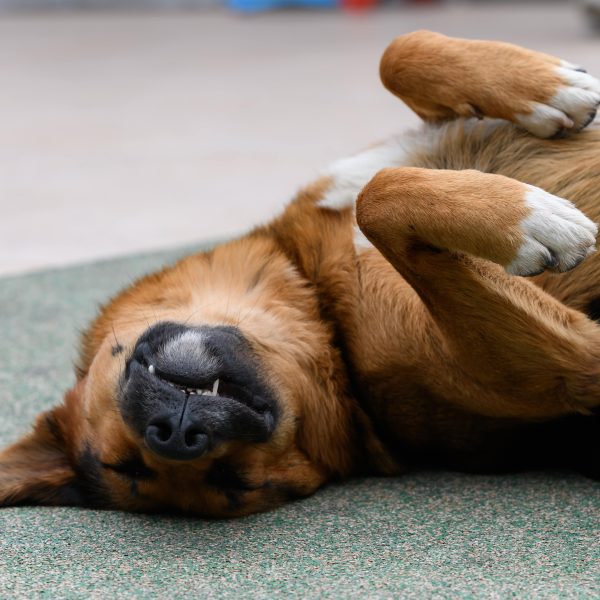
Dogs sleep so much, and sometimes they find themselves in very funny positions. A dog’s sleeping position is one of the most common reasons your dog might snore. If your dog typically is a quiet sleeper who curls up in their bed, they probably don’t snore in this position.
However, sometimes a dog finds themselves on their back or contorted in a weird way when they sleep. In these cases, these positions can cause snoring because airflow is restricted a bit. If you’re worried that your dog isn’t getting proper airflow, give them a very gentle nudge so they can change their sleeping position.
2. They’re a Flat-Faced Breed
If you have a flat-faced brachycephalic breed like a Pug, your dog will snore much more than other breeds. This is something important to know about flat-faced dogs because they have narrowed nostrils or a soft palate that is elongated.
Some dogs will be okay, but many of these breeds tend to have respiratory difficulties, such as brachycephalic airway syndrome. This is something you and your vet should be in discussion about in order to keep your dog healthy.
3. They Have an Upper Respiratory Infection
Like humans, dogs may snore if they have congestion due to an upper respiratory infection. When the nasal passages are clogged, it’s harder for the air to flow through the nose. If your dog also has signs of a cold, such as sneezing or nasal discharge, this could be a reason for their sudden snoring. Give your veterinarian a call to see if you should take your dog in. Call immediately if they begin to show signs of breathing issues or lethargy.
4. Your Dog is Obese
If your dog has put on weight, it can cause extra tissue to form in the neck, making it harder to breathe. When this happens, the likelihood that your dog begins snoring increases. If you have any concerns, talk to your veterinarian. Sometimes, simple changes like a lower-calorie diet and more exercise can help overweight dogs get healthy.
5. They Have Allergies
Much like an upper respiratory infection, allergies may cause your dog’s snoring. Allergies can cause congestion or inflammation of the nasal passages, leading to snoring. Thankfully, there are ways to help your dog survive seasonal allergies. Before trying to solve your dog’s allergies on your own, be sure you schedule a veterinarian appointment. They’ll be able to determine the allergen and a treatment.
6. Your Dog has Hypothyroidism
Sometimes, snoring might be a sign that your dog may have hypothyroidism. If your dog has hypothyroidism, you will also notice a reduced appetite, weight gain, flaky skin, or a dull coat. They may also have more skin and ear infections than normal.
These are signs you should get your dog’s thyroid checked. Be sure to talk to your veterinarian if you notice any of these symptoms. There are treatment options available to help your dog get back to feeling their best!
7. There is an Obstruction
If your dog is snoring, it may be due to an obstruction in their airway. They might also have an object stuck in their nose. If you can’t see an object in their nose, but suspect something is stuck in an airway, immediately contact your veterinarian. In some cases, such as if your dog is choking, you might need to contact an emergency veterinarian or try the Heimlich maneuver for dogs.
8. Your Dog Could Have Masses or Growths
Snoring may also be caused by tumors or masses inside the airway, or conditions like chondrosarcoma in dogs. The obstruction restricts airflow, causing breathing problems. These growths can either be benign or malignant, so it’s important to have your dog checked out.
What to Do If Your Dog Snores
If you’re concerned about your dog snoring, you may want to take notes about any other signs you’re noticing. Take note of any sneezing, discharge, or a change in activity level. These signs, along with difficulty breathing, are symptoms you should never ignore in your dog and could indicate more serious issues. Make sure to go over these issues with your veterinarian so they can help develop a treatment plan or assess your dog for any other problems.
Treatment Options For Dogs Who Snore
Depending on the cause of the snoring, treatment could be a variety of options.
Medication
In the case of allergies or an upper respiratory condition infection, symptoms will be managed with medication or other treatment. For conditions such as hypothyroidism, your veterinarian will need to assess to determine what level of treatment is right for your dog.
Surgery
If you have a flat-faced breed, there are certain surgeries that can be done to help dogs breathe easier and reduce snoring. This surgery is called Brachycephalic Obstructive Airway Syndrome (BOAS) surgery. During surgery, the nostrils are widened, and the elongated soft palate is trimmed. This is something to discuss with your veterinarian to decide if your dog is a good candidate.
If your dog has an obstruction in their airway or nose, this foreign object or mass will be removed. Surgery might be required, but hopefully your dog will be able to breathe much more easily afterwards.
Diet and Exercise
If your dog is obese, exercise can help a lot. There are plenty of ways to exercise with your dog, so find one you both enjoy and have fun! Start slow at first, so your dog can get used to being more active and avoid injuries. Your vet may also recommend a diet change.
Different Sleeping Positions
If your dog is healthy and only snores occasionally, you may just need to help them adjust positions while they sleep. Gently nudge your dog if they begin snoring so they pick a new sleeping position. However, if snoring becomes more frequent and continues after they’ve picked a better sleeping position, it’s best to get in contact with your veterinarian.
Knowing Why Your Dog is Snoring Helps You Decide What to Do Next
If you’re asking, “Why does my dog snore?”, it could be for a variety of reasons. Hopefully, these reasons for snoring in dogs can help you determine why your dog is snoring and whether you need to be concerned.
You know your dog best, so if something feels wrong, trust your gut instinct and talk to your veterinarian. They’ll be able to determine if the snoring is indicating a serious issue or if it’s just one of your dog’s quirks!