
Why Is My Dog Peeing So Much?
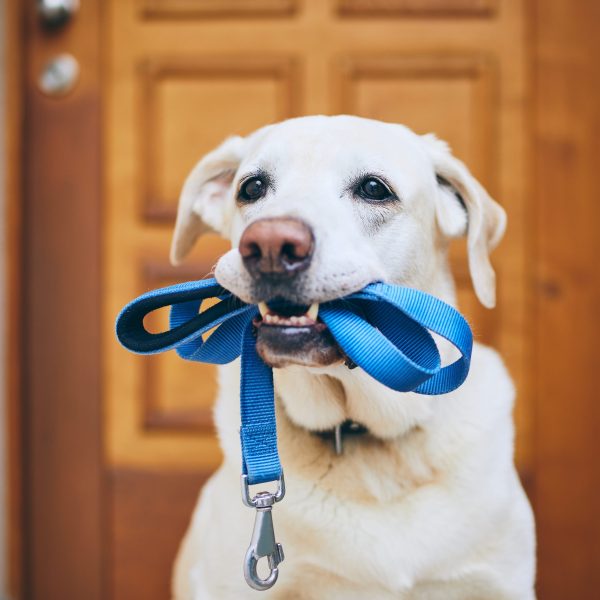
You know how important taking your dog out for potty breaks is. However, sometimes it feels like you’re taking your dog out all the time. If you notice that your dog is asking to be let out more than usual or if they’ve started having accidents inside, this could raise some questions about health issues or create other questions. If your dog’s behavior is making you ask, “Why is my dog peeing so much?” here’s what to consider and some potential reasons why your dog might be peeing so much:
How Much Should Dogs Pee?
As with a lot of things, the normal amount a dog should urinate will depend on their health, size, age, and how much they tend to drink.
Puppies
Puppies will need to pee more frequently as their bladder develops and they learn how to control bladder muscles. When they are about 3-4 months old, they can usually hold their urine for one hour per month of their age, so 3-4 hours, but they still need to go out frequently.
Puppies tend to need to go out again after they wake up, after they eat, and usually after playing (because they tend to rehydrate and recognize bladder signals as they calm back down). By the time they are about 6 to 8 months old, their frequency of urination becomes more regulated, depending on training and health.
Adult Dogs
The average healthy adult dog will produce about 20 to 40 milliliters of urine for each kilogram of body weight over a period of 24 hours. So a dog that weighs about 20 kilograms (45 pounds) will produce anywhere from 400-800 milliliters a day.
Most dogs can hold their urine for about 4-6 hours and need to go out about 3-5 times a day. Overnight with sleep, they may be able to max out at 8 hours, but you don’t want to make them wait that long.
Senior Dogs
Senior dogs usually need to go out every 4-6 hours as their strength and bladder control change. As a dog ages, they may need to urinate more often due to underlying medical conditions or canine cognitive dysfunction.
Cognitive dysfunction can cause them to forget when to go to the bathroom or even where to go to the bathroom. Potty training regression can happen for a lot of reasons and is not always a sign of cognitive dysfunction, but you do want to pay attention if your adult or senior dog suddenly starts to have accidents in the house.
5 Reasons Your Dog Might Be Peeing More Often
If you’re noticing that your dog is peeing more often, there are a few factors that could be causing it, such as medical conditions, behavioral issues, or even medication side effects. Here are a few potential causes of increased urination in dogs:
- Your dog could have a urinary tract infection.
- They could have diabetes.
- Your dog might have Cushing’s Disease.
- Kidney disease can cause increased urination.
- They could have bladder stones.
1. Your Dog Could Have a Urinary Tract Infection
UTIs in dogs are one of the most common reasons that dogs need to urinate more. When bacteria grow in the bladder lining, inflammation begins and triggers that urge to go to the bathroom, even if the bladder is not full.
Female dogs are much more likely to develop UTIs due to a short urethra, but males can develop them as well. A dog that has a UTI will typically strain when trying to go to the bathroom, and they may produce urine that is cloudy or smells bad.
2. They Could Have Diabetes
Canine Diabetes causes frequent urination when extra glucose or sugar builds up in the bloodstream and spills into the urine. This causes water to be pulled along into the bloodstream, which is why a dog tends to drink a lot more when they have diabetes.
This often results in a large amount of diluted urine, which causes a dog to go to the bathroom much more often. It also might be a reason why your dog is drinking more water than normal. Other signs of diabetes include lethargy, a dull coat or fur, and an increased appetite, even though the dog may be losing weight.
3. Your Dog Might Have Cushing’s Disease
Cushing’s Disease in dogs develops when the adrenal glands start to produce an excess of cortisol over an extended period of time. Frequent and excessive urination is often the first symptom that dog owners notice, along with an increased appetite and thirst.
Dogs with Cushing’s Disease also tend to develop a potbelly, hair loss, skin thinning, and a higher rate of infections. Certain dogs are more susceptible to this disease, including Poodles, Boston Terriers, and Dachshunds. However, it can also affect dogs over the age of six.
4. Kidney Disease Can Cause Increased Urination
A dog that has kidney disease will begin to pee much more because the kidneys are no longer able to concentrate urine. When this happens, the body makes a large volume of urine to flush out the same amount of waste as before.
This is why dogs that have kidney disease drink a lot more water than other dogs. Unfortunately, frequent drinking and urination is one of the signs of fully developed kidney disease, and indicates that the kidneys have already lost a significant amount of capacity.
5. They Could Have Bladder Stones
Bladder stones are small hard deposits of minerals that form in the bladder. These stones cause irritation to the bladder wall, which causes a dog to feel the urge to pee, even when there’s not that much urine present.
Dogs that have bladder stones frequently need to go to the bathroom, but pass very small amounts of urine. They will also strain visibly and potentially have pain associated with going to the bathroom.
If you’ve been wondering, “Why is my dog peeing so much?” the answer can be a variety of medical or behavioral issues, and it isn’t always a sign that something is wrong. If you have any questions about what might be going on with your dog, don’t hesitate to make an appointment for your dog to be seen by your veterinarian. They’ll be able to run a variety of tests and get your dog on any necessary treatment if there is something going on!