
Why Is My Dog Sensitive to Touch?
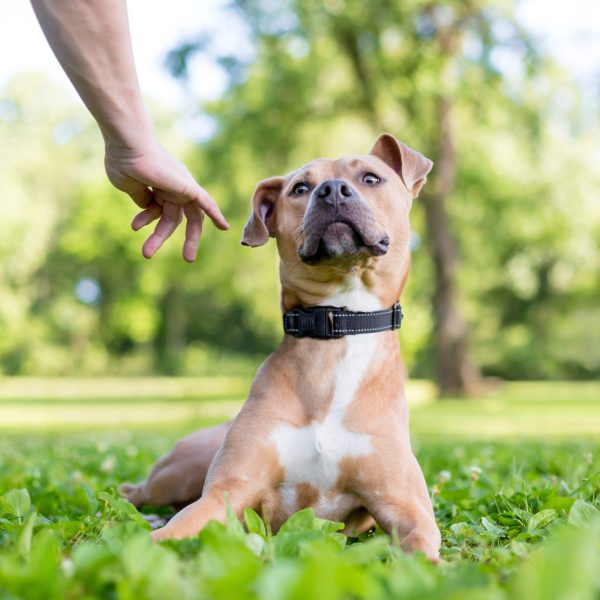
Have you noticed that your dog is sensitive to being touched? Just like people, some dogs may not enjoy being touched. Some dogs are all about scratches and pets, while others are a little more sensitive. There can be a few reasons why some dogs are more sensitive to touch than others. So if you’re wondering, “Why is my dog sensitive to touch?”, here are a few reasons your dog might be sensitive to touch:
Why is My Dog Sensitive to Touch?
If your dog is more sensitive to touch, you may have noticed them shying away from your hand or even flinching when you put your hand on them or touch their paws or collar. They may also freeze or even growl at you. If your dog has any of these reactions, it probably means they’re sensitive to touch or at least sensitive in certain areas.
You may also have a dog who, in the past, didn’t mind being touched, but is all of a sudden sensitive to touch. If this behavior is sudden, it might be confusing and a little alarming.
If your dog is sensitive to touch, there could be several factors at play, including:
- Medical causes
- Natural and environmental causes
- Behavioral causes
1. Medical Causes
If you’ve noticed that your dog is sensitive to touch when they haven’t been in the past, it could be a sign your dog is in pain or indicate discomfort in certain areas. There could also be a few medical issues that can include:
- Joint or muscle pain: Reacting to touch may be a sign your dog might have arthritis. This will be especially evident if you pet them or put pressure on an area where they have arthritis or joint or muscle pain caused by something else. You might notice other signs such as hesitancy in walking or discomfort when lying down or standing up.
- Skin problems: Skin problems are fairly common in dogs. If your dog has any allergies, bacterial infections, or even dry skin, they may be more sensitive to touch.
- Ear infections: Ear infections are a common health problem in dogs, and if your dog has one, they may be experiencing inflammation or pain in the ear canal. This can make them sensitive to touch, especially in the ear and surrounding areas.
- Neurological issues: Certain nervous system conditions or neurological conditions may cause inflammation, which can make your dog more sensitive to touch.
- Paw injuries: Any injury to your dog’s paws, such as burned dog paws, will make them much more sensitive to touch in that area.
2. Natural and Environmental Causes
If you’ve ruled out any medical issues, there may be some natural causes behind your dog’s sensitivity to touch, which can include:
- Areas with more nerve endings: Some areas of a dog’s body are just naturally more sensitive because they have more nerve endings than other areas of the body. These areas include the tail, paws, and ears.
- More independent dog breeds: Sometimes a dog breed might be a factor in why they are sensitive to touch. Some very independent breeds such as the Shiba Inu tend to only want to be touched when they want to be touched.
- Dog breeds with thinner skin: Other breeds like Greyhounds have thinner skin, which may cause them to be a little bit more sensitive to being touched at times.
- Feeling too warm: Sometimes during the summer, dogs might not like to be touched because it’s too warm outside. This is especially common in breeds that have a very fluffy or heavy coat, such as Bernese Mountain Dogs or Siberian Huskies.
3. Behavioral Causes
There may also be some behavioral causes for touch sensitivity. Some of these factors may include:
- Past trauma: If your dog experienced any physical abuse or handling that was too rough, they may associate any touch with fear. They may also have had a bad experience during a grooming or medical procedure, making them a little bit more wary of physical touch.
- Lack of socialization: When grooming or other handling isn’t prioritized during a puppy’s socialization, dogs may never fully become comfortable with touch.
- Anxiety: Sometimes anxiety can make your dog more sensitive to touch. This may be because they’re easily startled or they just have a lower threshold for tolerating touch.
When To See a Vet About Touch Sensitivity
If your dog is all of a sudden sensitive to touch that they weren’t sensitive to in the past, you might want to schedule an appointment with your veterinarian. Touch sensitivity can be a sign of pain, so it’s important to let your veterinarian give your dog an exam and determine if there’s anything going on to be aware of. A few health-related issues that can cause touch sensitivity include:
- Arthritis: Arthritis causes inflammation of the joint. Touch can cause pain in joints that have inflammation and can be a sign your dog might have arthritis.
- Hot spots: Hot spots in dogs are inflamed skin lesions and can be painful when touched.
- Skin infections: Bacterial and fungal infections, like pyoderma in dogs or ringworm, can make the skin appear red and swollen, as well as itchy.
How to Help a Dog With Touch Sensitivity
If you’ve taken your dog to the veterinarian and they’ve gotten a clean bill of health, you may want to work on desensitization. However, you need to make sure that your dog is comfortable before you begin any desensitization training.
- Continually assess your dog’s body language.
- Approach your dog slowly.
- Give your dog plenty of personal space.
- Advocate for your dog with others.
- Do some handling and desensitization exercises.
- Work with a dog trainer or behaviorist.
1. Continually Assess Your Dog’s Body Language
When you want to go to touch your dog, make sure you are assessing their dog body language. If you don’t recognize that your dog is uncomfortable and touch them anyway, this can reinforce touch sensitivity. If you notice that they’re turning away from you and licking their lips or exhibiting any other behavior that indicates stress, this might mean they’re not ready to be touched.
2. Approach Your Dog Slowly
Always approach your dog slowly and make no sudden movements because it can make your dog more nervous. You can also tell your dog that you’re going to touch them. Come up with a verbal cue such as “pet” or “ready” so your dog knows you are going to pet them or touch them. Sometimes, dogs need to know what’s happening in order to make them feel safe and secure.
3. Give Your Dog Plenty of Personal Space
It’s also important to make sure that your dog has plenty of personal space. If your dog is resting or taking a nap, don’t pet them unless you know they like it. If they’ve reacted to your touch in these situations in the past, just let them be.
4. Advocate For Your Dog With Others
You should also make sure that any visitors or other family members are aware that your dog doesn’t like to be touched. When a stranger touches your dog, it just reinforces their touch sensitivity. Dogs have boundaries, and they need to be respected.
5. Do Some Handling and Desensitization Exercises
If your dog shows general discomfort with sensitivity, you may want to work on some handling or desensitization exercises. This process helps your dog associate touch with positive results, such as treats or praise. Hopefully, over time, their tolerance to touch grows.
- Figure out your dog’s touch threshold.
- Touch your dog gently and reward them.
- Increase frequency and pressure, and continue to reward.
- Work in short sessions.
- Be patient and remain calm.
1. Figure Out Your Dog’s Touch Threshold
You need to be aware of your dog’s touch threshold. Without stressing your dog out too much, try to figure out how much touch your dog can tolerate before they start to show signs of stress or try to move away from you. This gives you a good baseline and allows you to slowly work at building their tolerance.
2. Touch Your Dog Gently and Reward Them
Start by touching your dog lightly and make sure you give them plenty of praise and even a treat. As soon as the treat is taken, move your hand. Repeat this a couple of times or over the course of a week or two until your dog is comfortable with very light touches.
3. Increase Frequency and Pressure, and Continue to Reward
Now you can begin increasing the frequency of touch or the pressure of touch. Be sure to go very slowly and stop as soon as your dog shows any signs of discomfort or stress. Reward each interaction with plenty of treats and playtime. This helps them associate touch with positive feelings and activities.
4. Work in Short Sessions
Be sure to keep these interactions short and sweet. Try not to go longer than five minutes, because anything longer may stress out your dog too much. Short increments once or twice a day can actually do more in the long run than longer training sessions.
5. Be Patient and Remain Calm
Don’t be discouraged if this process takes a long time. Some dogs may never truly warm up to your touch or become a big fan of cuddling. However, they may learn to at least tolerate some touches here and there.
If you feel like you’re making no progress, don’t be afraid to ask your veterinarian or a dog behaviorist for advice. They might be able to offer you some new techniques and develop a plan to help that works for both you and your dog.
6. Work With a Dog Trainer or Behaviorist
If you feel like your dog’s touch sensitivity is severe, you may want to work with a certified dog trainer or behaviorist. These trained professionals can help find solutions and ways to help your dog tolerate touch, especially when it’s necessary, such as for grooming or medical settings.
So if you’ve been wondering, “Why is my dog sensitive to touch?”, these could be a few reasons why. If you suspect it’s a medical issue, reach out to your veterinarian. They’ll be able to ascertain if your dog is in pain or has some other health issue that’s making them more sensitive to touch.