
Why is My Dog’s Nose Turning Pink?
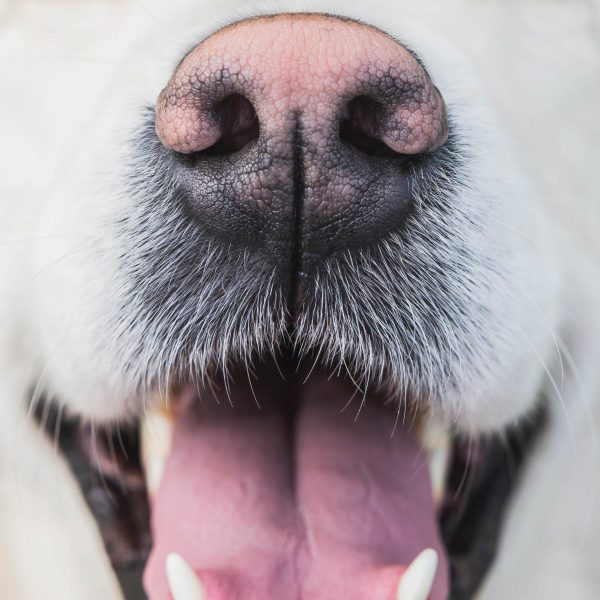
Sometimes, our dogs do weird things, and sometimes, seemingly weird things happen to them. Not everything is a cause for concern, but it’s important to be aware of changes in your dog and when something might warrant a trip to the vet. If you’ve noticed your dog’s nose changing and find yourself asking, “Why is my dog’s nose turning pink?”, here’s what might be going on:
8 Reasons Why Your Dog’s Nose is Turning Pink
Here are some potential reasons why your dog’s nose is turning pink:
- A pink nose could be a “snow nose.”
- Your dog may just be genetically prone to a lighter nose color.
- They could be losing nose pigment as they age.
- Your dog might have injured their nose.
- Vitiligo can cause a pink nose.
- Other autoimmune diseases can cause nose color changes.
- Your dog may be having an allergic reaction.
- They could have an infection.
1. A Pink Nose Could Be a “Snow Nose”
If your dog’s nose is turning pink in the winter, it could be “Snow Nose.” This is also called “Winter Nose” or “seasonal nasal pigmentation.” Thankfully, this is harmless and is not painful for dogs. No treatment is needed, and it is just temporary pigment loss that often occurs in winter for a lot of dogs.
Usually, dogs with black or dark brown noses will end up with pink or pinkish-brown noses in the winter. Cold weather paired with less sunlight can cause “Snow Nose” or “Winter Nose.” It’s thought that lower light and cold temperatures slow down and reduce the enzymes producing melanin in the exposed tissues of a dog’s nose, which leads to pigment loss.
A pink nose in the winter is temporary, and the darker nose color you’re used to will return as winter wanes and spring sunlight warms things up. Snow Nose tends to be more common in Golden Retrievers, Labrador Retrievers, Huskies, Bernese Mountain Dogs, and more.
2. Your Dog May Just Be Genetically Prone to a Lighter Nose Color
Provided it is not a drastic change and is happening slowly as they age, your dog’s nose may be changing color because of their genetics. Some dogs are genetically prone to having lighter nose colors. Similar to how coat colors can change as a dog grows, their nose color can also develop as they grow.
In dog breeds that usually have a black nose, this lack of dark pigment in the nose can be caused by a recessive gene. In this case, it is called Dudley Nose and results in a nose that is a dull pink, light tan, or flesh color. Often, the eye rims are a similar color. Unlike Snow Nose, which is temporary and due to the season, Dudley Nose is permanent and due to genetics.
Although Dudley Nose will disqualify dogs from established breed standards that require a black nose, it is harmless and does not cause health issues. It does, however, make your dog’s nose more susceptible to sunburn and at a higher risk for skin cancer. So, similar to dogs with light coats and skin, dog-friendly sunscreen is an important sun protection tip for dogs to follow.
3. They Could Be Losing Nose Pigment As They Age
If your dog’s nose is changing color and starting to turn pink as they get older, it could just be normal changes with aging. As dogs get older, they naturally lose pigment. Although this can vary depending on the dog, the pigment loss is usually gradual. If you notice your dog’s normally black nose has lightened substantially, it’s not a bad idea to visit the vet, just to make sure it is normal aging and nothing else is going on.
4. Your Dog Might Have Injured Their Nose
If a dog injures the skin on their nose, it might turn pink as it heals. This is usually caused by the initial injury or scrape, and then the body’s immune response as it heals itself. The pinkness in this case is usually temporary. Provided the injury was not enough to cause a scar, your dog’s nose should be back to its normal color once it has healed.
5. Vitiligo Can Cause a Pink Nose
Dogs with albinism typically have pink noses, but also tend to lack pigment all over as well. Vitiligo can develop over time and cause a dog’s nose to turn pink. Vitiligo is an autoimmune condition where the body attacks the cells responsible for producing melanin. This typically causes patches of white or pink skin and hair in many places on the body. This condition can occur in dogs and can cause their nose to turn pink or develop pink spots.
However, if a dog has vitiligo, it will affect other areas of their body, like the face, lips, around the eyes, and more. Vitiligo is permanent, but it does not cause pain or health problems on its own. A dog with lighter patches will be more prone to sunburn, so you’ll just need to be careful in the sun and make sure you are protecting their sensitive skin.
6. Other Autoimmune Diseases Can Cause Nose Color Changes
A dog’s nose could also change color due to an underlying condition. Autoimmune diseases, like Pemphigus or Discoid Lupus, can lead to changes in your dog’s nose color. However, if something like this is the case, you will often see other symptoms as well. Typically, there will be crusting and/or sores on the nose along with a changing color.
7. Your Dog May Be Having an Allergic Reaction
Allergic reactions or skin irritations can also cause a dog’s nose to turn pink or change color. They may have come across something that has irritated the sensitive skin on their nose. Their nose could just be irritated, or they could have developed contact dermatitis or other skin problems in dogs. You will usually see other symptoms if this is the case.
There are a lot of things that can irritate a dog’s nose, especially if they have sensitive skin or are already prone to allergies. If your dog uses a plastic dog food bowl, check it. If it hasn’t been cleaned in a bit, make sure you give a thorough cleaning and sanitizing. If it’s old and has some surface damage, consider getting a new dog food bowl. Over time, plastic bowls can degrade and collect bacteria, and this can sometimes lead to allergic reactions or skin irritations.
Also, consider where they are drinking water. Is your dog drinking out of shared water bowls at home or out in public? It’s possible that they’ve picked up an irritation from a shared bowl, a water bowl that needs to be cleaned, stagnant water, or dirty water.
8. They Could Have an Infection
Infections can also cause a dog’s nose to change color. Bacterial and fungal infections, in particular, are known to sometimes cause a dog’s nose to turn pink or change color. The discharge from upper respiratory infections can also cause a dog’s nose to become irritated and change color.
However, if their nose is pink because of an infection, it tends to be closer to the red or dark pink common to inflammation. Here, too, you will usually also see other symptoms if the nose color change is due to an infection.
When Should You See the Vet if Your Dog’s Nose is Changing Color?
There are a lot of harmless reasons why a dog’s nose might be turning pink, but there are some reasons that are a cause for concern. And, you can always visit your vet, just to be sure. However, it’s a good idea to know what signs and symptoms can be more concerning. If your dog’s nose is turning pink or changing color, you should visit the vet if you see other symptoms, like:
- Changes in the nose texture
- Open sores
- Ulcers
- Bleeding
- Discharge
- Swelling
- Masses
- Lumps
- Scabs
- Scaly patches
- Cracking
- Crusting
- Signs of pain
- Excessive licking
- Itchiness
- Excessive scratching
If you ever have to ask, “Why is my dog’s nose turning pink?”, hopefully, these reasons can help you narrow down what is going on with your dog. If you see anything concerning or just have questions, don’t be afraid to call your vet. They’ll be able to help you determine what’s going on with your dog, why their nose is turning pink, and will be able to help your dog if there is a cause for concern.