
Why Won’t My Dog Eat?
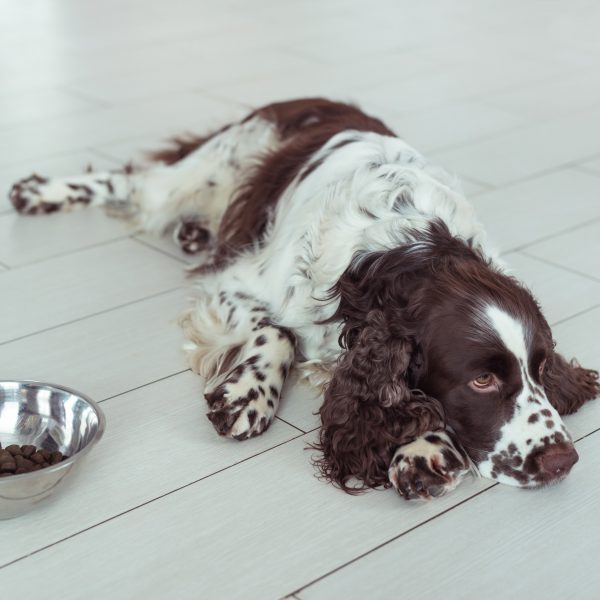 Your dog may eat just about anything you put in front of them, or they could be a picky eater. Either way, there may be times when your dog isn’t eating. Sometimes loss of appetite in dogs is a cause for concern, and sometimes they’re just having an off day. Being able to answer “why won’t my dog eat?” can help you figure out which it could be and what to do next. Here are some reasons why dogs won’t eat to help you figure out what might be going on with your dog and what to do if your dog won’t eat:
What Can Cause Loss of Appetite in Dogs?
When your dog does not eat the food you put in front of them, it could be more than them being picky eaters. Your dog could be sick, nervous, in new surroundings that may cause them to be reluctant to eat, or something else.
Luckily, loss of appetite can be treated relatively easily with a trip to the vet, training, or simply giving your dog some time. Unless your dog is losing weight, vomiting, or unable to control their bowels, which are a few of the symptoms you should never ignore in your dog, they may just need time and your understanding.
Here are a few possible causes of loss of appetite in dogs:
- They may just be picky or not like a new food.
- Your dog could be distracted by something better.
- They may have had too many treats recently.
- Your dog could be sick.
- They may be getting used to new surroundings.
- They may be getting used to a new person.
- Their routine may have been disrupted.
- Your dog may be resting after vaccinations or surgery.
- They could be feeling depressed.
- Your dog could have dental issues.
- Their dog bowl could be the issue.
- There could be an issue with their food.
- Your dog could be hot.
- Your dog could be stressed.
- They might be waiting for you.
- They may be experiencing medication side effects.
- The area around their bowl might be too busy or noisy.
- Your dog may have trouble reaching their bowl.
- Your dog is getting older.
1. They May Just Be Picky or Not Like a New Food
Sometimes, dogs can be picky eaters and don’t feel like eating what is put in front of them. If that is the case, you may want to try mixing dog food in with other goodies they like, such as veggies, meat, or gravy.
But, if you add toppers or other extras, it is not uncommon for a dog to eat around the dog food and only eat what you’ve added. If this is the case, you may want to consider experimenting with different brands and flavors of dog food. This will help you find the right dog food for them.
2. Your Dog Could Be Distracted By Something Better
If you’ve ever shared some of your food with your dog, they could be forgoing their own food in favor of begging and waiting to see if they get a morsel of yours. This is a common reason why dogs beg for food.
Although this is not a sign of a complete loss of appetite, it could keep them from eating their own food, at least temporarily. Once the distraction is gone, they should return their focus to their own food and chow down.
3. They May Have Had Too Many Treats Recently
If you regularly provide safe chews for your dog to chew on or regularly give them treats, it’s possible that they may not be hungry when their mealtime comes around. If they had some treats too close to mealtime, they may be a little full already and not ready to eat more.
This is usually more common in cases where dogs have food available at all times and graze lightly throughout the day. If your dog normally eats whatever is put in front of them, regardless, and they don’t want to eat, it may be more than just too many treats or treats too close to feeding times.
4. Your Dog Could Be Sick
Loss of appetite could be a sign that your dog is getting sick or generally not feeling well. If it lasts more than a day or two, it could be a sign of a more serious health condition, especially when other symptoms are present. Ehrlichiosis in dogs, Lyme disease, thyroid issues, diabetes, and more can all cause appetite loss.
If they are getting sick, have eaten something off, or are showing signs of a condition, they may be displaying other symptoms such as:
If these symptoms are showing, you will want to seek medical attention for your dog. Your vet will be able to help you figure out what’s going on and recommend a treatment for your dog. It could be that your dog just needs some bed rest, a short round of medication, or perhaps even a diet change.
Regardless, your vet will be able to help. Plus, your vet can let you know what the right dosage is for any over-the-counter medications they recommend to help your dog be more comfortable as they get better.
5. They May Be Getting Used to New Surroundings
If you have recently moved to a new location, your dog may not feel comfortable yet and may be nervous to eat or participate in regular activities. If this is the case, be patient with them. You may want to schedule earlier and more frequent feeding times with smaller meals. This will let them know that food is not scarce in this new place, and they do not have to worry about it disappearing.
You can also spend more time with your dog, which may make them feel more at home. As you unpack your bedroom, unpack their toys and dog bed as well. This will show your furry friend that you’re not going anywhere, and it is safe for them to settle down and relax. Plus, they’ll have familiar items with familiar smells to help them settle in. This is one of the tips for moving with a dog to help them get used to their new home.
6. They May Be Getting Used to a New Person
The same is true if a dog is getting used to a new person in the house or a new owner. If you’ve recently bought a puppy or you’re adopting a dog from a shelter, they may be wondering where their old house is or what happened to their family.
This can be an incredibly scary moment for a dog, and you must be supportive. This is another good time to just sit near or next to your new friend to reassure them that you’re here for them and to slowly build trust with them. Providing smaller meals more frequently can also encourage the dog to eat.
7. Their Routine May Have Been Disrupted
Dogs thrive on good daily routines. When their routine has been disrupted, it can throw them off, stress them out, and cause them to behave in ways that they normally wouldn’t. A dog’s routine can be disrupted by:
- New pets
- Houseguests
- Construction
- Rearranged furniture
- Moved feeding station
- And more
Well-socialized, confident dogs tend to handle disruptions and adjust to new things faster than dogs that tend to be stressed, fearful, or anxious. But even confident dogs can get thrown off when their routines are changed. This can sometimes result in appetite loss, at least until they get a little more comfortable.
Just like with moving or introducing something new, creating good daily routines for your dog and creating that structure and consistency can help them navigate changes and get comfortable. If this is why a dog isn’t eating, their appetite should return once they are able to settle in a little and get used to whatever is new.
8. Your Dog May Be Resting After Vaccinations or Surgery
After surgery or vaccinations, your dog may not have the same appetite you’re used to seeing. If this is the case, let your veterinarian know as soon as possible and see if this could lead to any permanent or detrimental side effects.
If your dog will be safe according to their veterinarian, then patience is the best response. If your dog is scared after a surgery or injection, or they are just tired from the experience, don’t be afraid to sit and watch a movie next to your dog. It will comfort them to know you are there for them.
Also, unless your vet has recommended limiting water intake for a specific reason during recovery, make sure your dog stays well hydrated as you care for your dog after surgery. This will help keep fluids moving, and they will feel better.
9. They Could Be Feeling Depressed
Dogs can feel bouts of depression just like humans can. Depression in dogs is real and can be caused by a variety of things. They could have depression due to a chemical imbalance in the brain, or they could be situationally depressed.
They could be feeling depressed because they’ve lost a human or animal friend, experienced a big change in their environment or schedule, or they could just be having an “off” day. Loss of appetite in situational cases is usually temporary. If loss of appetite is due to depression and persists, you will need to visit the vet to get some help.
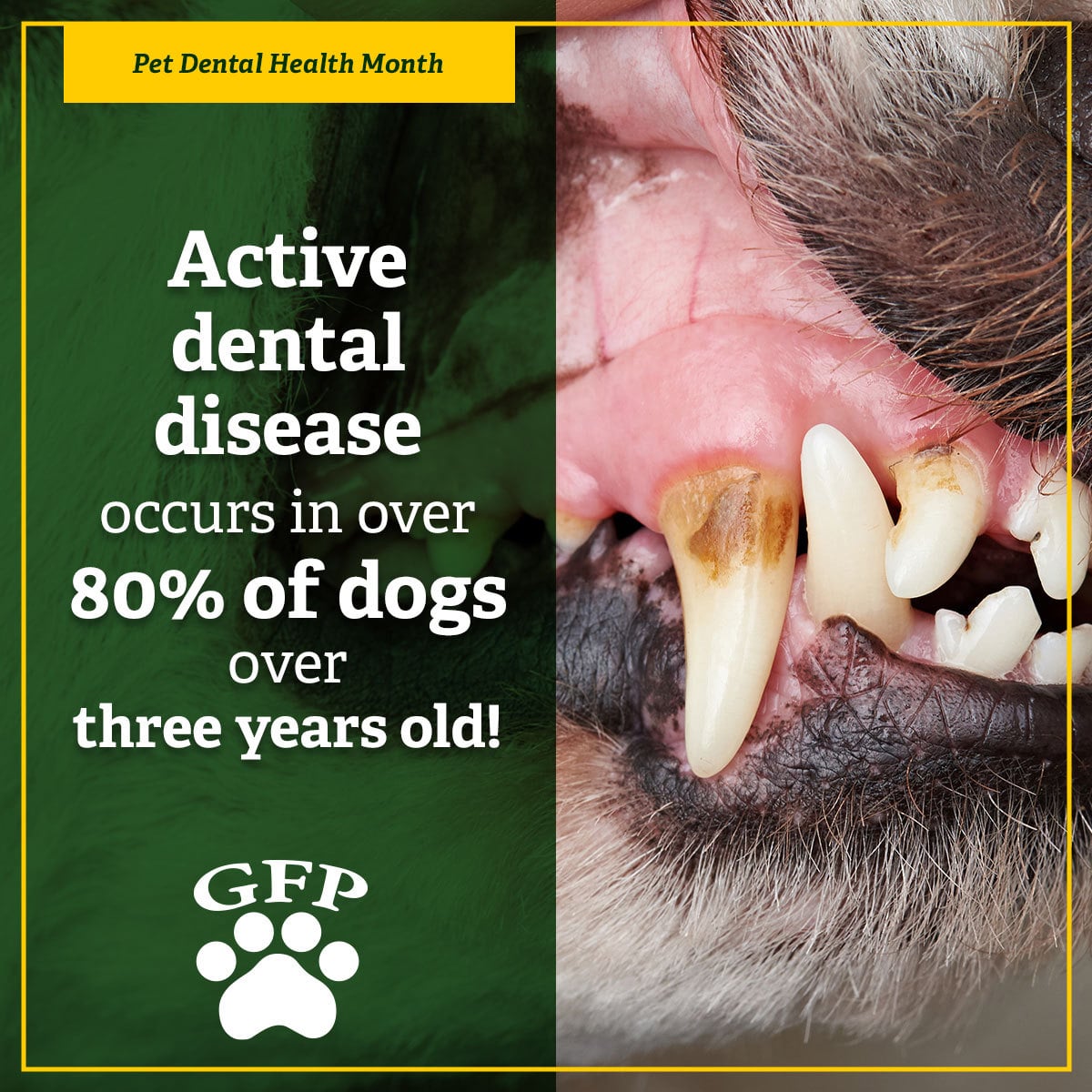
10. Your Dog Could Have Dental Issues
If your dog has trouble eating, favors one side of their mouth while eating, or has stopped eating despite an interest in food, check their mouth. Many dogs with dental disease or pain in their mouth will experience a loss of appetite. If it hurts to chew and try to eat, they try to avoid it.
Gently check out their mouth, gums, and teeth. Look for things like:
- Blood
- Redness
- Inflammation
- Broken or cracked teeth
- Loose teeth
If you don’t see anything obvious, but your dog winces or yelps and tries to pull away, there may still be something going on.
If your dog is a couple of years old and you haven’t been practicing good dental care for dogs, they could have gum disease. Many dog owners overlook regular dental care for their dogs. As a result, gum disease is one of the most common health issues in dogs.
Gum disease in dogs can cause tenderness in the mouth, lead to tooth decay and loss, and also cause a host of other health issues as it progresses. You can try to feed them softer food that is easier to eat and less painful to chew. But if you suspect there is something going on with your dog’s mouth, it’s time to go to the vet.
11. Their Dog Bowl Could Be the Issue
If your dog seems excited about food and then loses interest once it is in their bowl, check out their dog bowl. If it’s a new bowl, the smell may be throwing them off. If it’s a new type of bowl, it may not be the right dog food bowl for them.
If it’s a bowl you’ve had for a while, it could be in need of a deep clean or a replacement. Bacteria can build up in dog bowls over time, and sometimes, even with regular cleaning, they can put off a weird smell or add an odd taste that your dog just doesn’t like.
12. There Could Be An Issue With Their Food
If it doesn’t seem to be their dog bowl, there could also be an issue with their food. Check to make sure their dog food isn’t spoiled, out of date, or has another problem. Even if the food is still supposed to be good, it could have gone bad or had an issue that makes it smell or taste weird to your dog.
Properly storing your dog’s food helps keep it fresh and maintains its quality. But even with proper storage, sometimes containers can get damaged or aren’t sealed all the way, which can make food go stale or spoil.
13. Your Dog Could Be Hot
If it’s hot outside or hot in your house, your dog may experience a loss of appetite. Dogs that are hot and dogs that are cooped up too long may not want to eat. Try cooling off your dog and their surroundings when it’s hot outside or giving them some fresh air and exercise when they’re cooped up in the winter to help kickstart their appetite.
14. Your Dog Could Be Stressed
One of the signs your dog is stressed can be a loss of appetite. If your dog is anxious, too keyed up, or doesn’t feel safe, they may not feel comfortable eating. Or, if they do eat, they may eat very little or eat too much and throw up after.
Similar to humans, dogs can feel nauseated if they are stressed out. If your dog isn’t eating and you also see pacing or restlessness or other symptoms of anxiety in dogs, take a closer look at your dog’s routine, look for disruptions, and see if you can determine environmental changes that might be stressing them out.
If you are seeing symptoms that could indicate an illness or health condition, make sure you go to the vet as soon as possible. It’s a good idea to reach out to your vet even if you are not seeing symptoms of illness. Your vet can also help you determine what could be going on with your dog if you have ruled out health conditions and still don’t know the source of your dog’s stress.
15. They Might Be Waiting For You
We build strong bonds with our dogs. Even though some dogs can be more independent than others, dogs love being near their favorite humans. Dogs also thrive on routine. If you have created a good daily routine for your dog that includes you being around when they eat, they may not eat if the routine is disrupted and you are not around.
In this case, they might wait to eat until you are back nearby. In some cases, dogs can develop separation anxiety and become stressed and destructive when you are gone. If this is the case, your dog will exhibit symptoms of stress and anxiety and may not be interested in eating until they are able to calm down and get their appetite back.
16. They May Be Experiencing Medication Side Effects
If your dog has recently had a round of vaccines or medications at the vet, or is still taking medication for something, a loss of appetite can be a side effect. If your dog isn’t eating and your vet mentioned that appetite loss could be a side effect, you can probably assume that your dog isn’t eating because of that, at least at first. If the appetite loss persists or you see anything else that is concerning, contact your vet, let them know, and follow their instructions.
However, if your vet did not mention appetite loss as a potential side effect and your dog is not eating, make sure you give them a call. It’s possible they are feeling tired or nauseated as a result of the medication, which can affect their appetite. But you don’t want to take the chance of overlooking an adverse reaction or something more serious, especially if their appetite loss persists for more than a couple of meals or a day.
17. The Area Around Their Bowl Might Be Too Busy or Noisy
Another potential reason that your dog might not eat is that the area around their bowl might be too busy or noisy. If they don’t feel safe to eat where their food bowl is, then they may not eat. You might see a dog carry food away from their bowl to eat it.
This doesn’t always mean that they feel unsafe or vulnerable by their food bowl, but it can be a sign that where you are feeding them isn’t comfortable for them. They could also just prefer a quieter, more private environment to eat. If your dog isn’t eating or is carrying food away to a different location to eat, pay attention. You might be able to figure out what is going on and set up a better feeding station for your dog.
18. Your Dog May Have Trouble Reaching Their Bowl
Another potential reason why your dog won’t eat is if they are having trouble reaching their bowl comfortably. Small dog breeds and puppies can have trouble with dog bowls with sides that are too high or bowls that are the wrong depth for them. It can be uncomfortable for large dog breeds and senior dogs to stretch down to a low dog bowl on the floor.
Difficulty moving and stiffness are signs your dog might have arthritis. Arthritis and sore joints can make stretching down to eat uncomfortable, and even painful at times, for dogs with arthritis. This is why raised dog bowls or feeding stations are recommended for large and giant dog breeds as well as older dogs.
If your dog isn’t eating because they are having trouble reaching their bowl, switching to a bowl that is better suited to them and/or using a raised feeding station to bring their bowl within a more comfortable reach should get them eating again. If they still aren’t eating after making these changes, then it’s time to explore other potential reasons.
19. Your Dog is Getting Older
If your dog isn’t eating and they are entering their senior years, the simple fact that they are getting older can affect their diet and intake. For some dogs, their appetite might increase, while other dogs may eat less and less as they age.
Senior dogs who are experiencing cognitive decline, especially those that develop Canine Cognitive Dysfunction Syndrome, can experience Alzheimer’s-like symptoms. At times, these dogs can forget where their food bowl is and may even forget to eat if they aren’t processing hunger signals effectively or remembering that they are hungry.
Senior dogs can sometimes just lose interest in eating or drinking. As long as it’s temporary and they do still get enough food and water, you likely don’t need to worry. You can always talk to your vet just to be sure. However, if your dog continues not to be interested in drinking or eating, you do want to make sure you visit the vet.
What Do You Do When Your Dog Doesn’t Want to Eat?
When your dog doesn’t want to eat, there are a few things you can do for them. The best option will depend on why your dog isn’t eating. Here are a few things to try when your dog won’t eat:
- Consult the vet.
- Cut back on treats.
- Stick to scheduled feedings.
- Take them for a walk before meals.
- Switch up where or how they eat.
- Try giving them a different food.
- Change the temperature of the food.
1. Consult the Vet
If your dog is sick and is experiencing symptoms like vomiting, diarrhea, and more, it’s important to consult the vet. They’ll be able to help you determine whether your dog has eaten something they shouldn’t, is just getting over something, or is dealing with something more serious.
Depending on what is going on, they may recommend a prescription diet, certain medication, or another treatment option. At the very least, they’ll give you a better idea of what’s going on with your dog, and they can help give you some ideas on what to do next to best help your dog feel better.
Signs you should contact your vet when your dog isn’t eating include:
- They haven’t eaten in 24 hours.
- They haven’t eaten in the last 12 hours and have other symptoms.
- They are vomiting and/or have diarrhea.
- They aren’t eating or drinking.
- They are losing weight.
2. Cut Back on Treats
If your dog is still eating treats and is avoiding their food at mealtimes, try cutting back on treats. By cutting back on treats or avoiding them completely for a little bit, your dog should be more excited about their food at mealtimes.
3. Stick to Scheduled Feedings
If your dog is already on scheduled feedings, make sure you stick to them. Continue to offer your dog food at their scheduled feeding time. If they eat at some, but not others, you may be feeding them too much or too often.
Consult your vet about the frequency and portions you’ve been using. Depending on your dog, you may just need to adjust how often to feed a puppy or dog, or you may need to adjust the portions.
If your dog is used to having food available all the time and just grazes, try switching to measured portions and scheduled feedings. This could encourage your dog to eat more regularly. Plus, it helps keep dog food from getting stale if it sits out too long.
4. Take Them for a Walk Before Meals
If your dog isn’t sick or recovering from surgery, try taking them for a walk before mealtimes. Getting some energy out and being active before it’s time to eat could encourage them to eat once their food is in front of them.
This can also be a good idea for dogs that are prone to bloat. One of the ways to help prevent bloat in dogs is to avoid exercise directly after eating. By taking them for a walk before they eat, you can give them enough time to rest and digest after they eat, before they need to go out again.
5. Switch Up Where or How They Eat
Try changing where and how your dog eats to see if a new situation helps them. A bowl or plate at a different height, a new location, feeding them alone instead of with other dogs, or keeping them company while they eat instead of leaving them alone can sometimes make a difference. Sometimes, this can help your dog reset and get excited about eating their food again.
6. Try Giving Them a Different Food
If you’ve recently changed your dog’s food and they haven’t been interested in it, try giving them something else. You can switch back to the food they used to eat if that’s possible. Or, you can try another new brand.
If they’re used to eating dry food, you can try feeding them canned food while you figure out how to get them eating dry food again. You can also try mixing the dry and canned food together to try to entice them to eat.
7. Change the Temperature of the Food
If your dog normally eats cold food and has stopped, try warming it up and giving it to them. If it’s hot and your dog normally has kibble, try refrigerating it for a little bit before giving it to them. Sometimes, an adjustment to the temperature of the food can make it more appetizing.
What to Feed a Dog Who Won’t Eat?
Working with your vet to determine why your dog isn’t eating can help you figure out the best foods to give your dog while they are recovering. Just make sure you have plenty of clean water available so they can stay hydrated. Here are a few things to feed a dog who won’t eat:
- Mix something new into their normal food.
- Try sprinkling in some cat food.
- Make them something plain with chicken.
- Offer some warm baby food.
1. Mix Something New Into Their Normal Food
If your dog isn’t eating because they are picky, try mixing something new into their normal food. You can try mixing in a little bit of canned food, a treat or two, peanut butter, or some safe superfoods for dogs. Pumpkin, certain types of fish, scrambled eggs, carrots, and more can all be added to your dog’s food to add some extra nutrients while also trying to entice them to eat.
2. Try Sprinkling in Some Cat Food
Although you don’t want to feed your dog cat food long-term, sprinkling some dry cat food into their dog food can sometimes encourage them to eat if they are being picky. You can also try some types of canned cat food. Just avoid some of the higher-mercury fish like tuna and stick to something like salmon.
3. Make Them Something Plain With Chicken
Just as when you’re not feeling well, it can be a big help to stick to bland foods that still provide a lot of nutrients. Boiling some plain chicken and rice can appeal to a dog that’s not feeling well and entice them to eat something.
You can also make a dog version of chicken soup that features chicken, some broth, and some cooked carrots. Just make sure you leave out things like onion, garlic, and more, as these are toxic foods for dogs.
If they’re really not up for solid food, you can offer them some warm chicken or bone broth to get some nutrients in their system. Plus, broth tends to sit easily in the stomach, which can help a sick dog feel better about eating solid food again.
4. Offer Some Warm Baby Food
If your dog isn’t feeling well, is dealing with pain in their mouth, or is just not eating for some reason, you can try to offer them some warm baby food. Turkey or beef flavors are a good option, but you can try some of the fruit or vegetable flavors as well, in case your dog likes those.
Pumpkin, apple, or peach tend to be good options. If you’re unsure about whether your dog can have a certain flavor of baby food or how much they should have, make sure you talk to your vet and get their recommendations.
It can be scary and frustrating when your dog won’t eat. Knowing some potential causes of loss of appetite in dogs can help you figure out the answer to “why won’t my dog eat?” and make the best decisions to meet your dog’s needs. Oftentimes, the best initial step is to visit the vet, and then go from there.