
13 Words Your Dog Loves to Hear
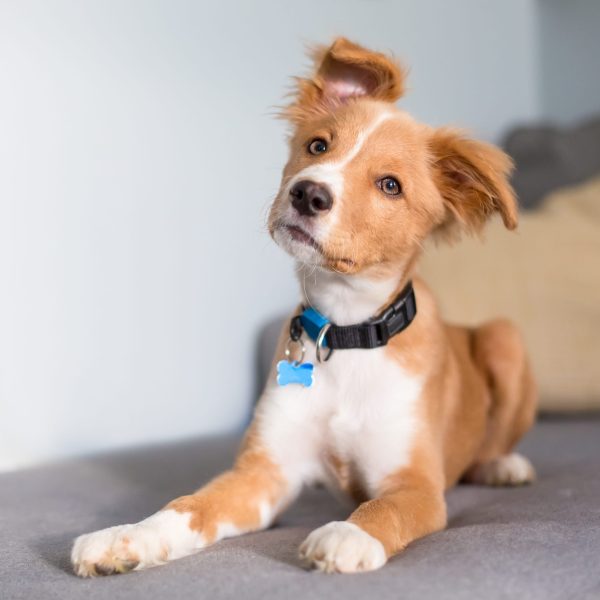
Have you ever noticed that your dog perks up at certain words, such as “walk” or “treat”? Dogs may not understand language exactly like humans, but they are good at learning patterns. Over time, they learn that certain words lead to certain activities and get excited. Here is what to consider and some words your dog loves to hear:
Do Dogs Recognize Specific Words?
While dogs can’t understand human language the same way humans do, they can learn that certain words lead to certain activities or rewards. You’ve probably noticed that your dog perks up when you say the word “walk” or “treat”. This is because they’ve learned that the word means they get to go outside and have fun or that they’re about to get a tasty treat.
Some dogs like specific words more than others, but that’s usually because of a specific context they have learned or a specific tone that is associated with an outcome. However, there are a handful of words that most dogs eventually recognize and love to hear.
13 Words Your Dog Loves to Hear
Over time, there are probably words your dog has come to associate with positive activities. Here are a few words your dog loves to hear:
- “Outside”
- “Treat”
- “Walk”
- “Crate”
- “Go in the car.”
- “Good boy” or “good girl”
- “Get your toy.”
- Their name
- “Hello”
- “Yay!”
- “Park”
- “Fetch”
- ”Play” or “Go play”
1. “Outside”
Most dogs love to spend time outside. When they hear the word “outside”, it means they get to be out of the house and explore their surroundings. Dogs love to explore, and when your dog is comfortable doing so, it is a good sign your dog is confident! This activity helps them learn about their environment through sniffing and running around.
Sometimes, the word “outside” might also mean playing outdoor games or going on a walk. These activities are really important and exciting to dogs, so hearing that word indicates that they get to do something they love. You may also say “outside” with an upbeat or excited tone to get your dog to come to you for their leash, which can also make a dog excited for what is coming next.
2. “Treat”
Let’s be honest, who doesn’t love this word? Dogs and humans alike love having a little snack or treat after they’ve done something tiring or something they didn’t want to do. Especially during training, “treat” may have been paired with positive praise and other rewards, which only gives it even more positive associations. When a dog hears the word “treat”, it often makes them feel loved and happy, and indicates that something they like is coming.
3. “Walk”
For some dogs, a walk or two a day might be the highlight of their day. Going on a walk means exploring other areas beyond their home, and they get to encounter exciting new smells and scenery.
Some dogs may get so excited by hearing the word “walk” that they react every time their owners say the word. Sometimes this has led to owners improvising and spelling the word rather than saying it.
And, because dogs are so good at recognizing patterns, you might actually think they’ve learned how to spell when they start reacting to the spelling! This is a definite sign of dog intelligence. Unfortunately, this doesn’t mean that you should enter your dog into any spelling bees anytime soon.
4. “Crate”
This word might not be a favorite of all dogs, but if your dog is crate-trained and likes spending time there, this could be a word they love to hear. Crates create a safe and cozy environment for dogs to relax in.
It’s really important that dogs have a safe space to go when they feel overwhelmed or anxious. Some dogs also just need some space away from the rest of the family, and a crate is a great spot to be alone. A safe spot is also useful to help calm your dog during a storm or fireworks.
5. “Go in the Car.”
Depending on your dog, they may love or hate this word. Some dogs absolutely love riding in the car. If that’s your dog, they probably will love hearing this word. For other dogs, cars can be a common fear and phobia in dogs. Sometimes they get carsick, or they just don’t like the uncertainty and noises being in a car brings.
If your dog hates being in the car, there are some things you can do to help keep your dog calm on car rides. Using positive reinforcement and plenty of treats can help associate being in the car with receiving a treat or going somewhere fun. However, not all dogs enjoy being in the car, and as long as you can get them to a place where they tolerate it, that’s good enough.
6. “Good Boy” or “Good Girl”
When you call your dog a good girl or a good boy, it lights up their dopamine receptors in their brains. Not only does dopamine make your dog feel good, but it can help build a better bond with your dog as well as whoever is calling them a good girl or boy. Your dog might even start to do a little jump or dance when someone calls them a good girl or boy.
Calling your dog a good girl or boy is one of the best ways to praise them when they perform a trick or follow a command. Even though using treats is a good way to help build positive reinforcement, praising your dog is also essential. Using praise and treats together can help your dog learn to enjoy receiving praise without always needing a treat. This is just one of the helpful dog training tips to keep in mind as you continue to train your dog.
7. “Get Your Toy”
Some dogs love to hear their owner tell them to get their toy. Not every dog is going to be motivated by playing with toys, but if your dog is, they are probably going to love hearing the word “toy”.
Make sure when they get the toy, you spend time playing with them, at least for a little bit. Even if your dog can play with a toy on their own, playing with them can help them associate positive feelings with the toy and continue to play with it, curbing potential boredom.
8. Their Name
Yes, dogs know their name! Dogs almost always love to hear their name being called. Using their name is one of the best ways to communicate with your dog, which is why in puppy training classes or other dog training classes, using your dog’s name is one of the most important dog training words.
When you use their name, your dog knows something involving them is about to happen. In many dogs, this usually invokes feelings of excitement or happiness. It’s also another great way to help strengthen bonds between you and your dog. Strengthening these bonds is important for fostering positive behavior and better communication between you and your dog.
9. “Hello”
How often do you find yourself walking into your home and immediately saying “hello” or “hi” to your dog? For most dogs, their owner coming home after being gone for a few hours or a while is one of the best things to happen. This signals to your dog that it might be time for dinner or a walk, both things that many dogs love and enjoy.
It can also signal to your dog that someone is visiting or that they’re about to hang out with another person they really like. If your dog is really social, this type of hello usually brings on excitement because they know it may lead to attention from a new person.
10. “Yay!”
Another word that many dogs love to hear is “yay!” Oftentimes, this term is used to express affection or praise when your dog does something good or performs a trick. Praising your dog when they do things they’ve learned, such as certain behaviors or tricks, is a great way to reinforce those positive feelings associated with the behavior.
11. “Park”
Most dogs, but not all, tend to love the dog park or any regular park. So if you say “park” or “dog park”, your dog might be pretty excited to go on a little adventure and have some playtime. You might notice that your dog rushes to the door or even barks in excitement.
If your dog loves the dog park, make sure you’re following proper dog park etiquette. This ensures that your dog and other dogs are safe and enjoy their time together. If you think your dog isn’t quite ready for the dog park yet, try observing at a safe distance with your dog on a leash. You can also try smaller play dates with a dog and dog owner you trust. This can help get your dog more comfortable playing with dogs before going to a much larger setting.
12. “Fetch”
For most dogs, fetch is a popular activity, especially if you have a Labrador Retriever or any other kind of retriever. If your dog loves playing fetch, they probably get really excited when they hear the word. This is because dogs often associate it with playtime and exercise. It’s also an instant reward because you throw the item and they can go fetch it.
13. “Play” or “Go Play”
Many dogs love playtime, so hearing the words “play” or “go play” probably will get them excited. Sometimes this means playing by themselves, with another dog, or even with you. Dogs love playtime in any form, so they are pretty likely to respond positively to these words.
How to Help Your Dog Respond Positively to Specific Words
If you want your dog to respond positively to more words on this list, there are a few things you can do to help them respond positively to specific words.
- Speak in happy tones.
- Be consistent.
1. Speak in Happy Tones
Dogs are really perceptive and can notice the change in tone in voices. Tone is really important because it can greatly impact your dog’s responses. This is also important to remember if you are wondering what to do if your dog doesn’t listen to you. If you say something and you sound stressed or angry, your dog will pick up on that and may mimic those feelings or emotions.
Speaking in a higher-pitched and happy tone will help your dog associate certain words with positive behavior and outcomes. If you enthusiastically say the words “go fetch”, “go play”, or their name, they will quickly learn to associate those words with something fun or positive.
2. Be Consistent
Consistency is essential when helping your dog respond positively to words. Make sure you’re using the same phrase or word each time. If you don’t, this could be one of the ways you’re confusing your dog. If you’re not using the same word or phrase every time, your dog may stop responding because they’re not sure what’s going on.
You also need to follow through on the activity. If you say, “dog park” or “park”, make sure you follow through and actually go to the park. Of course, things come up like unexpected weather or a closure, and you might have to change your schedule, but if possible, try to stay consistent with the activity. This will help your dog learn to associate positive behavior and specific activities or places with certain words.
It’s also important to make sure you’re rewarding your dog when necessary. If you say “treat”, your dog deserves to have a treat. Don’t just say the word and hope that your dog keeps doing a trick or certain behavior without a reward. This will create distrust between your dog and you, and your dog will no longer be motivated to listen to you or follow through on a certain behavior or command.
These are just a few words your dog loves to hear, and some tips to help them associate and learn to respond to specific words. Using words to connect and communicate with your dog is important, even if they don’t understand them in the same way humans do.