

Why Do Dogs Hide Under Tables?
Sometimes dogs do weird things, like being under tables. Why do dogs hide under tables? Here are a few reasons your dog might be under the table:
Use the options below to find your perfect canine companion!
Sometimes dogs do weird things, like being under tables. Why do dogs hide under tables? Here are a few reasons your dog might be under the table:
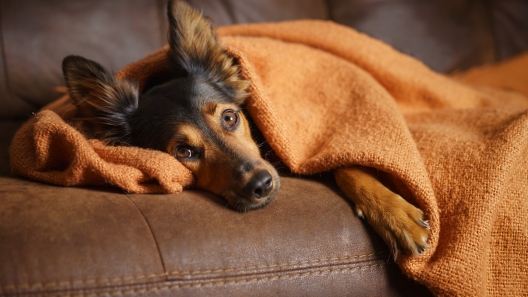
Knowing why can help you figure out whether dog vomiting is normal or serious & what to do next. Here are some reasons why your dog might be throwing up:
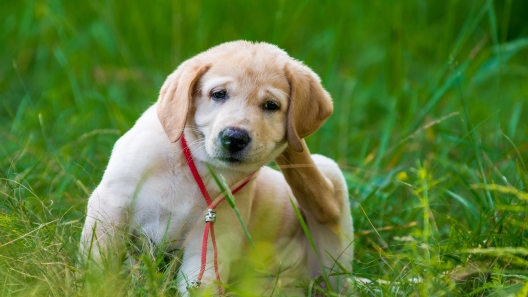
There are a lot of pests that can pose a danger to your dogs and fleas are one of them. Here’s how to protect your dog from fleas:
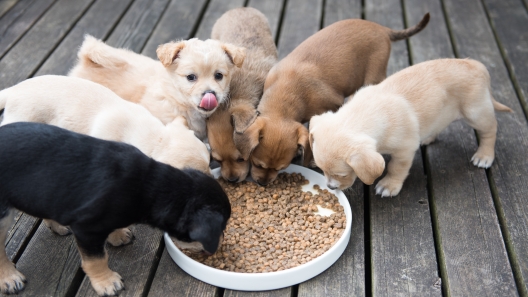
Are mixed-breed dogs healthier than purebred dogs? Sometimes, but it’s not a guarantee. Here’s what to know:
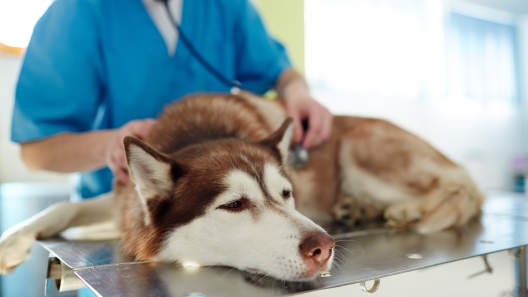
Lyme Disease is one of the potential dangers out in the world that can affect your dog. Here’s what you need to know about Lyme Disease in dogs:
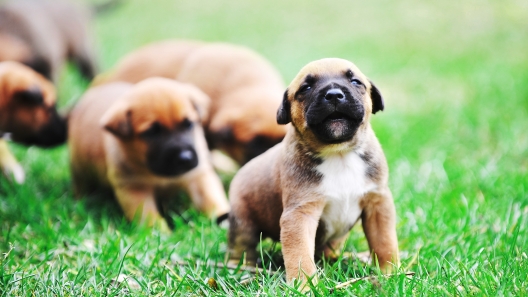
Why do dogs eat grass? There are some logical reasons behind it. Some are normal & others can be concerning. Here are a few reasons why dogs eat grass:

Knowing what to look for to go to the vet can help you provide the best care for your dog. Here’s what you should know about canine epilepsy:

Knowing why dogs shed more or less can help you better manage your dog’s fur. Here are a few reasons why your dog might be shedding:
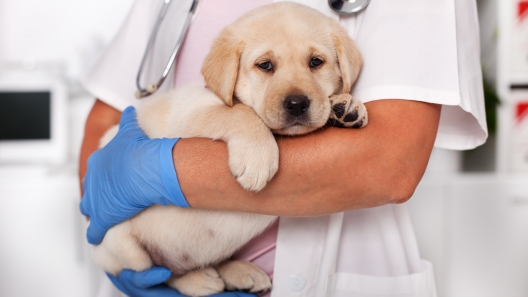
Preventive care matters. Part of prevention is knowing symptoms & what to do if you see them. Here’s what you should know about heartworm in dogs:

Some dogs chew more than others, and you’d be hard-pressed to find a dog that doesn’t chew. So, why do dogs chew? Here are a few reasons:
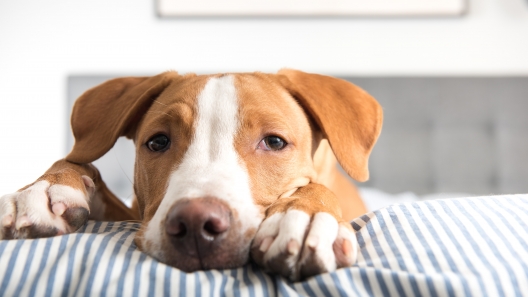
Mange is a common condition and it is also very treatable, especially if it’s caught in the early stages. Here’s what you should know about mange:
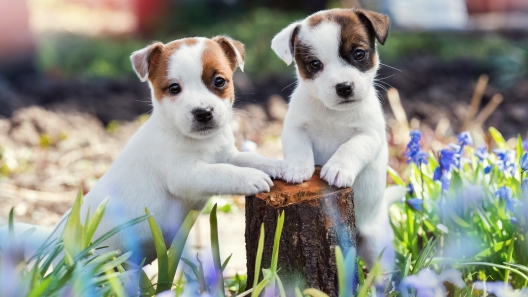
Before adding a puppy to your family, it’s important to ensure you’ll be able to take care of them. Here are a few signs you’re not ready for a puppy: